FDA panel endorses peptide access despite scientific opposition and conflict concerns
Advisory committee votes to allow compounding of four synthetic peptides, overruling FDA scientists who warned of insufficient safety data and significant risks.

FDA panel endorses peptide access despite scientific opposition and conflict concerns
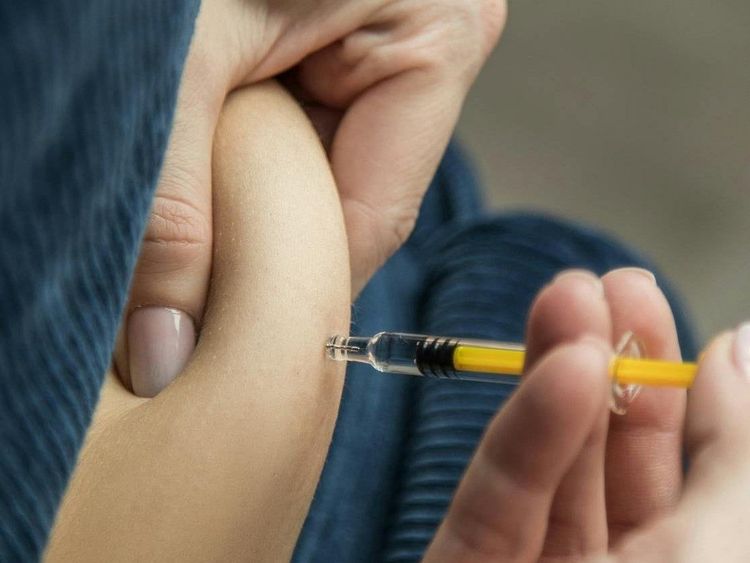
A US Food and Drug Administration advisory panel voted Thursday to recommend loosening restrictions on multiple synthetic peptides, enabling specialized pharmacies to produce substances that federal scientists have warned lack adequate safety evidence and human clinical trial data.
The recommendations came during a two-day meeting where the panel considered whether seven peptides should be added to the approved compounding list, which would allow custom pharmacies to create medications more accessible to the public. By day's end, panelists had voted to permit compounding of four substances: BPC-157, KPV, TB-500, and MOT-c, with three additional peptides under review Friday.
The decision marks a significant policy reversal from September 2023, when the Biden administration identified this group of peptides as posing significant safety risks and prohibited compounding pharmacies from producing them. In 2023, an FDA panel of pharmacy advisers voted overwhelmingly that these peptides did not meet criteria for safe compounding, with regulators agreeing the substances presented significant safety risks due to insufficient human testing.
Industry ties and regulatory concerns
At least seven members of the 20-person advisory panel have financial ties to the peptide industry, including owners of wellness clinics that sell peptides, pharmacies producing the formulas, and online consulting businesses promoting them. Medical experts accused Health and Human Services Secretary Robert F. Kennedy Jr. of stacking the committee with industry-connected members, given his personal advocacy for the products.
Kennedy told podcaster Joe Rogan in February 2026 that he is a big fan of peptides and has used them himself, predicting the FDA would change the status of about 14 peptides within weeks. Following criticism about conflicts of interest, the FDA added several academics without industry connections to the panel in June 2026.
The FDA posted documents in June outlining concerns about insufficient evidence for the peptides under consideration, with career scientists stating there was inadequate support for changing their designation. Despite these warnings, the panel voted to approve the substances, though their recommendations are not binding on the agency.
Split decision amid safety debates
Panel member Elizabeth Rebello, a pharmacist and anesthesiologist, voted against BPC-157 because of the lack of efficacy data and safety concerns. Fellow member Brian Lee also opposed that peptide, stating:
I think this endorsement can be potentially harmful, and I cannot in good conscience vote yes.
However, they were outnumbered by panelists citing reasons including the greater good and medical freedom for their affirmative votes. Several peptides approved by the panel, including BPC-157 and TB-500, are banned by international sports authorities as doping substances.
Peter Lurie, president of the Center for Science in the Public Interest and former FDA official, urged against easing restrictions on all peptides, calling the action inconsistent with FDA standards and dangerous to consumers. He characterized the peptide industry as one of pseudoscience and grift.
Market dynamics and clinical evidence
Peptides are short chains of amino acids that occur naturally in the body, but synthetic versions have gained popularity in wellness circles with claims ranging from improved skin and muscle growth to enhanced brain health and wound healing. Clinical evidence supporting such promises remains scant to nonexistent.
The 2023 restrictions fueled a gray market where peptides became available online from chemical suppliers labeled for lab use. Proponents argue that maintaining restrictions only drives Americans deeper into this unregulated market. The American Academy of Peptide Medicine, a professional society formed earlier in 2026, is advocating for regulatory changes to allow peptide compounding.
Anant Vinjamoori, chief medical officer of telehealth company Hims & Hers, acknowledged his company would benefit commercially from expanded peptide access.
I'm not going to tell you that the evidence for BPC-157 is strong. It isn't, and I won't overclaim. What I'd ask is that you not read thin as nonexistent.
While the FDA has approved certain peptides as medications following rigorous testing—including insulin for diabetics and human growth hormone for developmental disorders—the substances under current review have not undergone similar clinical validation. Should they be added to the bulks list for compounding, the peptides would not be FDA-approved but rather would dictate what ingredients specialized pharmacies can use when mixing custom medications with specific prescriptions.