US measles cases reach highest level in 35 years amid vaccination decline
The United States has recorded 2,318 measles cases in the first seven months of 2026, surpassing the 1991 total as vaccination rates fall below levels needed to prevent outbreaks.
Outbreak Reaches Historic Levels
The United States is experiencing its most severe measles outbreak in more than three decades, with 2,318 confirmed cases reported in just the first seven months of 2026, according to data released Friday by the Centers for Disease Control and Prevention.
The figure already exceeds the total for 2025, which had recorded 2,289 cases and three deaths, including two young children. The last time the country saw comparable case numbers was in 1991, when 9,643 cases were reported during a multi-year epidemic that ultimately affected more than 55,000 people and killed over 100 between 1989 and 1991.
Declining Vaccination Rates Drive Crisis
Health officials attribute the current crisis to declining vaccination rates and growing vaccine hesitancy. National MMR vaccination coverage among kindergartners has dropped from 95.2% in the 2019-2020 school year to 92.5% in 2024-2025, falling below the 95% threshold needed to maintain herd immunity and prevent disease transmission.
The outbreak's severity is compounded by measles' exceptional contagiousness. Each infected person can transmit the virus to 12 to 18 others in an unvaccinated population, making it one of the most contagious diseases known to medical science. This explains why even small gaps in vaccination coverage can trigger rapid spread.
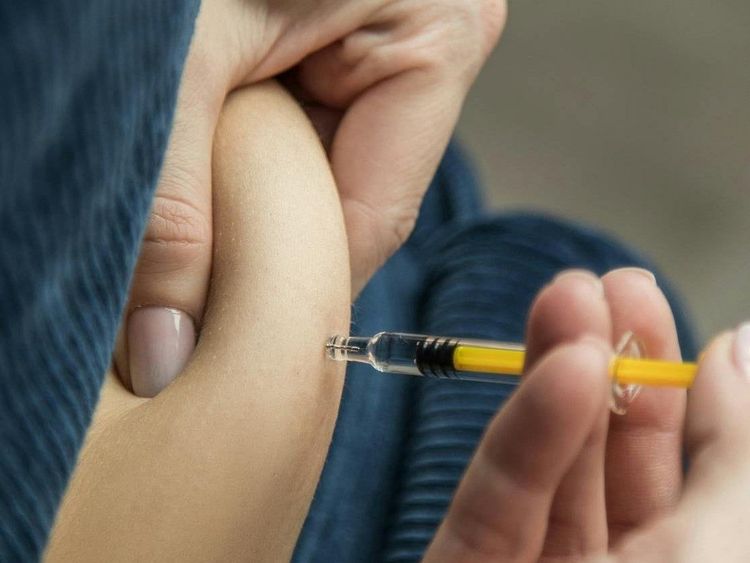
Data shows that 93% of confirmed cases in 2026 involve unvaccinated individuals. The two-dose MMR vaccine is approximately 97% effective at preventing measles infection, while a single dose provides about 93% protection.
Community Transmission Accelerates
The pattern of transmission has also shifted significantly. In 2025, 88% of cases resulted from local community spread rather than importation from abroad, indicating sustained transmission within US communities rather than isolated incidents linked to international travel.
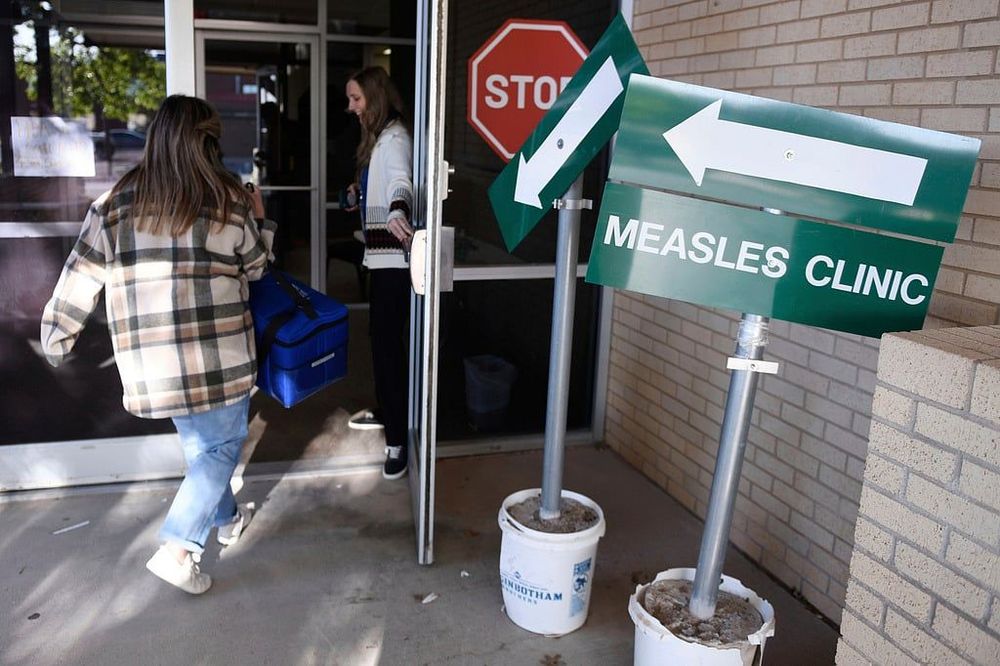
The CDC has recorded 34 measles outbreaks so far in 2026, following 48 outbreaks in 2025 and 16 in 2024, demonstrating an accelerating trend in outbreak frequency.
"We are witnessing an avoidable crisis that disproportionally hurts children. We should not accept this as our new normal."
— Andrew Racine, president of the American Academy of Pediatrics
Serious Health Risks and Historical Context
Measles causes fever, respiratory symptoms and skin rashes, but can lead to serious complications including pneumonia and brain inflammation, which may result in permanent damage or death. Before vaccine development in the early 1960s, measles killed hundreds of children annually in the United States. Globally, tens of thousands still die from the disease each year.
The disease was declared eradicated in the United States in 2000 following successful vaccination campaigns. However, critics have pointed to Health Secretary Robert F. Kennedy Jr., who took office in February 2025, as contributing to declining public confidence in vaccines through statements questioning their safety and necessity.
The ongoing outbreaks now threaten the country's measles elimination status, which could be formally revoked by the Pan American Health Organization when it convenes in November 2026.