UAE doctors debunk dangerous summer health myths as temperatures near 50°C
Medical experts warn that common misconceptions about hydration, cooling methods, and heat protection could put residents at serious risk during the UAE's extreme summer conditions.
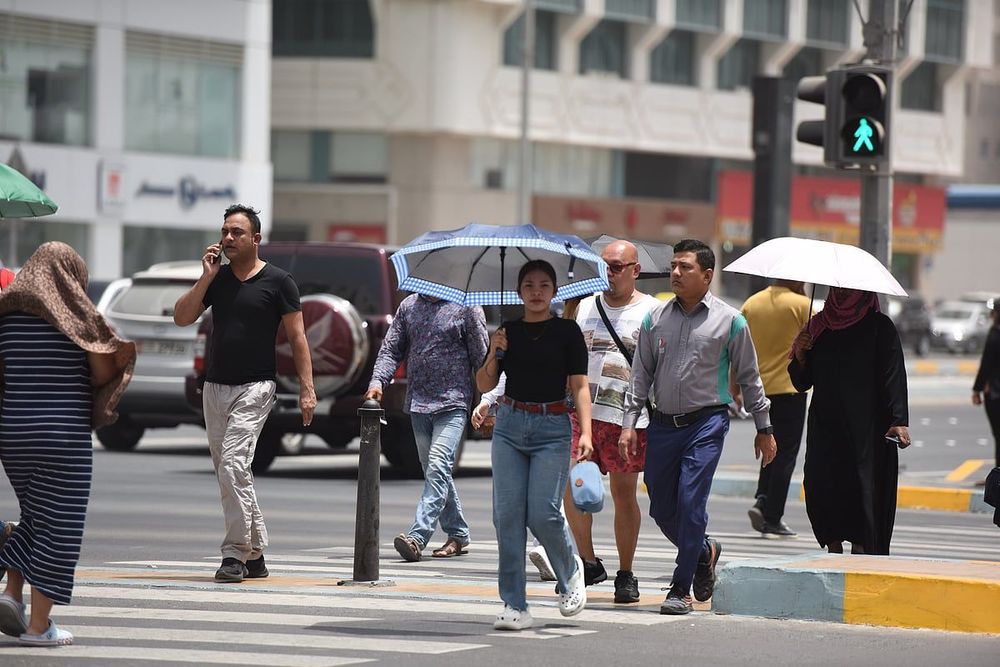
Are you making these summer health mistakes? Doctors debunk common summer misconceptions
As temperatures climbed to 49.8°C in Abu Dhabi's Al Dhafra region in late June and forecasts predict the mercury could breach 50°C in some inland areas, UAE medical professionals are sounding the alarm about widespread misconceptions that could turn a scorching summer day into a life-threatening emergency.
The timing couldn't be more critical. With the World Meteorological Organisation forecasting an 80% chance of El Niño developing through August and rising to over 90% by November, the UAE faces the prospect of even hotter and more humid conditions in the months ahead.
The thirst trap
Dr. Rayan Mohammed, general practitioner at Valeo Health, says one of the most dangerous myths is waiting until you feel thirsty before drinking water.
Thirst is a late indicator of dehydration, particularly in older adults, children, and people spending prolonged periods in air-conditioned environments where fluid loss is less noticeable.
Mohammed also dismisses the notion that ice-cold water is harmful in extreme heat. There is no medical evidence supporting this claim, she notes, and cold water can actually encourage adequate fluid intake by making hydration more comfortable.
Recent research underscores why these warnings matter. A 2024 study of 397 adults in the UAE found that 83.4% are exposed to heat for more than two hours daily, with heat exhaustion reported as the most common health problem at 86.4%.
When fans become hazards
Dr. Wayne Martini Jr., emergency medicine physician at Mayo Clinic, cautions against placing false confidence in electric fans during extreme temperatures.
Once the air is hotter than your skin, roughly above 35°C, a fan can blow hot air over you and add heat rather than remove it.
He recommends using fans only in combination with air conditioning, shade, cool showers, and damp cloths. Martini Jr. also warns against the outdated practice of taking salt tablets after heavy sweating, noting that excessive salt without adequate water can worsen dehydration, while balanced electrolyte drinks and normal meals provide better replenishment.
The most critical misconception, he emphasises, is believing heat stroke develops slowly enough to push through symptoms. Confusion, slurred speech, agitation, stumbling, or collapse signal an immediate medical emergency requiring aggressive cooling while waiting for emergency services.
Medical data shows why delays can be fatal. Heat stroke can cause death within 24 hours if cooling is not initiated promptly, with approximately 30% of cases progressing to multi-organ failure when core temperatures exceed 41°C.
No one is immune
Dr. Abeir Ali, general practitioner at Prime Hospital, stresses that heat-related illnesses affect far more than outdoor workers and athletes. Children, older adults, and individuals with chronic medical conditions are particularly vulnerable, often experiencing fewer warning signs before serious complications develop.
Ali reiterates the critical safety message about never leaving children, elderly individuals, or pets inside parked vehicles, even briefly. Research confirms that interior temperatures in parked cars can reach 70°C within minutes, with dashboard temperatures approaching 100°C under direct sunlight.
The vulnerability of certain populations is particularly concerning in light of broader trends. Between 2000 and 2019, nearly half of the world's 489,000 heat-related deaths occurred in Asia. The World Health Organisation reports an 85% increase in heat-related mortality among people over 65 between 2000 and 2021.
Dr. Unni Rajasekharan Nair, consultant in internal medicine at Medcare Royal Speciality Hospital, points to another widespread misunderstanding about hydration. Sugary soft drinks, energy drinks, and other sweetened beverages are not as effective as water for staying hydrated, despite popular belief to the contrary.
Prevention over treatment
The UAE government has recognised the severity of summer heat dangers through regulatory measures. For the 22nd consecutive year in 2026, authorities enforce a midday work ban from June 15 to September 15, prohibiting outdoor work under direct sunlight between 12:30 PM and 3:00 PM. The Ministry of Human Resources and Emiratisation issues fines up to AED 50,000 for violations, with compliance rates exceeding 99%.
Nair attributes the persistence of dangerous myths to repetition by family members, friends, and social media, combined with years of following these habits without obvious immediate consequences.
Extreme heat places significant stress on the body, so relying on outdated advice can increase the risk of dehydration, heat exhaustion, and heat stroke.
He encourages residents to focus on evidence-based preventive habits: drinking water consistently throughout the day, wearing lightweight and breathable clothing, avoiding prolonged exposure to direct sunlight during peak afternoon hours, and taking regular breaks in cool environments when working or exercising outdoors.
With the UAE's all-time temperature record standing at 52.1°C, recorded in July 2002, and current conditions approaching those extreme levels, the medical community's message is unequivocal: surviving a UAE summer requires replacing long-held myths with science-backed habits, recognising that prevention is far easier and safer than treating heat illness once it develops.