UAE braces for rain and dust storms as temperatures soar to 47°C this week
The National Centre of Meteorology forecasts four days of unsettled weather across the Emirates, with convective clouds bringing rainfall to eastern regions, dust storms in western areas, and overnight fog along coastal zones.
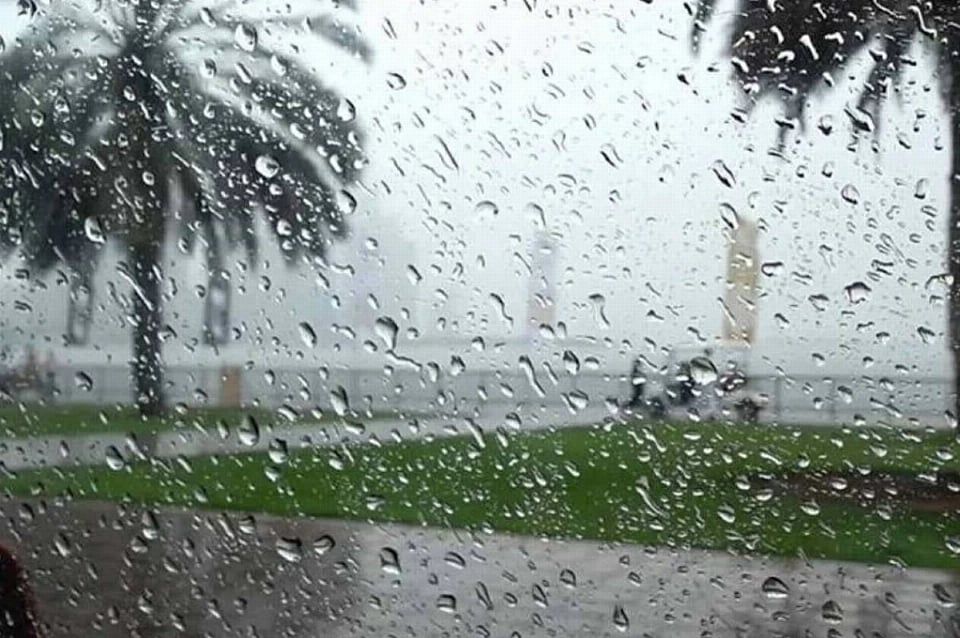
UAE braces for rain and dust storms as temperatures soar to 47°C this week
The UAE is set to experience a spell of unsettled weather this week, with rain, dust storms and fog forecast as temperatures climb to 47°C in some inland areas, according to the National Centre of Meteorology.
The federal meteorological authority, established in 2007 under the Ministry of Climate Change and Environment, issued its forecast on Wednesday warning of convective cloud development over eastern parts of the country that could bring afternoon rainfall.
Dust storms and reduced visibility expected
Conditions will remain fair to partly cloudy through Wednesday, with winds light to moderate but strengthening at times. Western areas are expected to see blowing dust as wind speeds increase, reducing visibility in some locations. The dust activity is linked to thermal low-pressure systems extending from central Arabia, which continue to influence UAE weather patterns during September even as the Indian monsoon low-pressure system gradually weakens.
Temperature variations across regions
Temperature readings will vary significantly across different regions. Inland areas are forecast to see highs between 41°C and 47°C, while coastal zones and islands will record slightly cooler temperatures ranging from 37°C to 42°C. Mountain areas will experience the most moderate conditions, with peaks between 30°C and 36°C. While these temperatures are extreme, they remain below the UAE's all-time record of 52.1°C set in July 2002. More recently, the country recorded its highest temperature of 2026 in early August, when the mercury hit 51.2°C in Al Dhafra's Budu Dafs.
Humidity levels will rise overnight and into Thursday morning, potentially reaching up to 90% along coastal areas during September. This increase creates ideal conditions for mist or fog formation over some coastal and internal zones in the early hours.
Weekend weather outlook
The unsettled pattern is expected to persist through the weekend. Thursday and Friday will see continued development of convective clouds over eastern and southern regions, with the possibility of further rainfall. These cloud formations are influenced by the northward movement of the Intertropical Convergence Zone, a low-pressure belt near the equator where trade winds converge. During periods of cloud activity, winds could gust up to 45 km/h, stirring up dust and reducing visibility. Early Friday morning may again see fog or mist formation in susceptible areas.
The chance of afternoon showers will continue over eastern and southern parts of the country through Saturday, though overall temperatures are expected to edge higher. Sunday's forecast indicates fair to partly cloudy conditions, with the pattern of afternoon convective cloud development and potential rainfall persisting over eastern and southern zones.
Marine conditions and cloud seeding operations
Marine conditions will remain relatively calm, with slight seas forecast in both the Arabian Gulf and the Oman Sea throughout the period. Winds are expected to blow from the south-east to north-east at speeds between 10 and 25 km/h, occasionally strengthening to 35 km/h.
The forecast comes as the UAE continues its national rain enhancement programme, having conducted 110 cloud seeding missions in 2026 as of early August. The operations focus on convective clouds to boost rainfall and replenish groundwater reserves.
Despite the extreme heat, relief is on the horizon as autumn officially begins on September 23, when the sun crosses the equator and moves south toward the Tropic of Capricorn. Historical records show September can produce significant temperature variations in the UAE, with the highest September reading of 51.1°C recorded in Mukhairez in 2016, while the coolest September temperature of 16.5°C was logged at Jebel Jais in 2015.