Nepal-China flood death toll reaches 682 as nearly 3,000 remain missing
Rescuers battle treacherous conditions to reach survivors after catastrophic glacier collapse triggered devastating flood across Nepal-Tibet border region on Wednesday.
Mounting casualties and missing persons
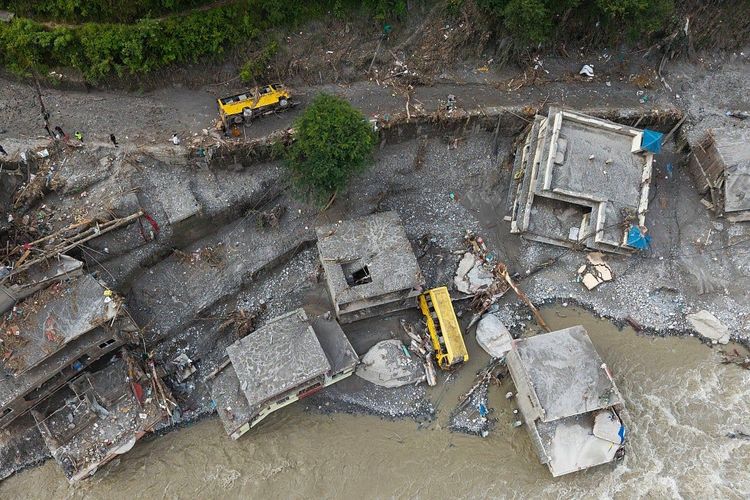
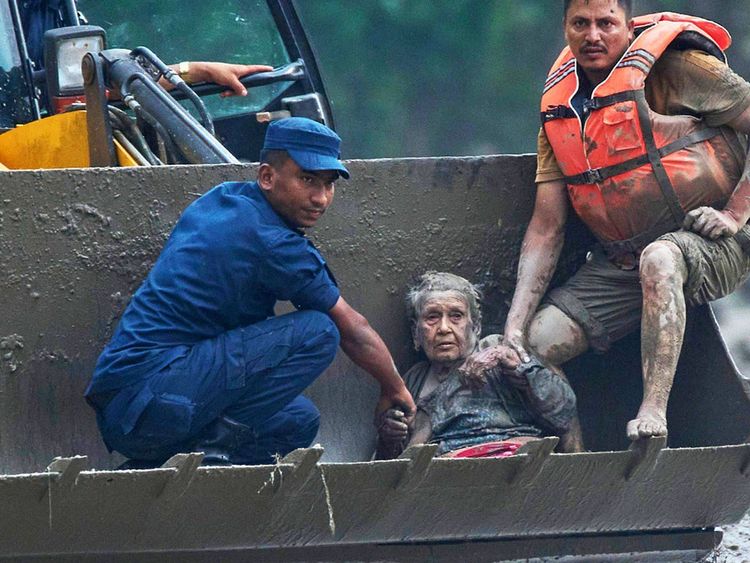
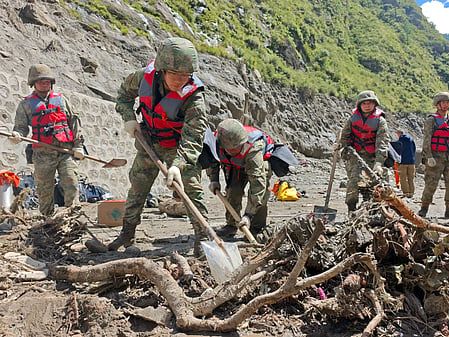
The death toll from the catastrophic flood that swept through the Nepal-Tibet border region has climbed to 682, with nearly 3,000 people still missing as rescue teams scoured deep mud for survivors on Saturday.
The disaster, triggered by a glacier collapse on Wednesday, sent a tsunami-like torrent of water and debris through the Himalayan region. Water levels rose by as much as nine meters in just 30 minutes, overwhelming communities and infrastructure along multiple river valleys.
Nepal reported 675 deaths and 2,426 people out of contact, including hundreds of foreign nationals. In Tibet, China's autonomous region, authorities confirmed seven deaths and 554 missing.
The Tibet Autonomous Region requires special permits for foreigners to enter, and access is regularly restricted for international journalists, hampering independent assessment of the disaster's full scale on the Chinese side of the border.
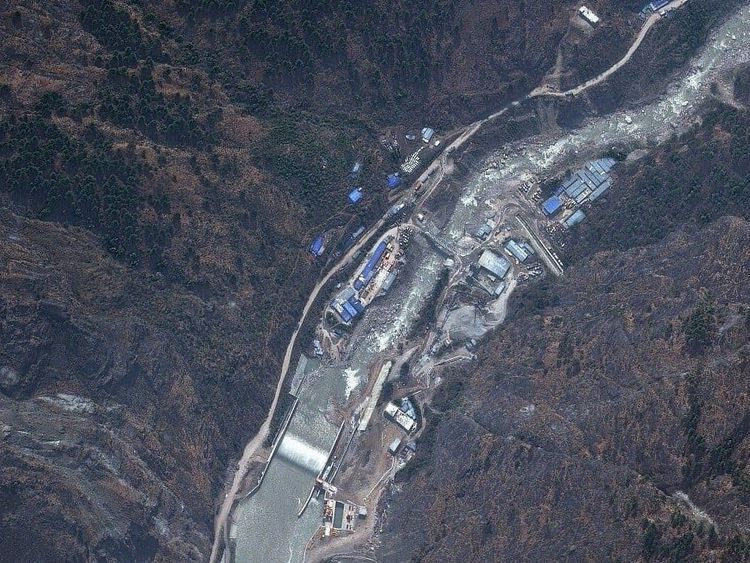
Among the missing are 933 workers from hydropower projects along the affected rivers, including employees of the Upper Trishuli-1 Hydropower Project, a 216-megawatt facility that was scheduled for completion in December and expected to boost Nepal's power production by approximately 20 percent.
Tunnel rescue efforts intensify
Nepali army teams were drilling in extremely challenging conditions to reach more than 100 people trapped inside multiple hydropower tunnels. India dispatched an 11-person specialized rescue team with extensive tunnel rescue experience, while China sent a nine-person technical team to assist.
At an army base in Bidur, a key rescue hub, relatives crowded around lists of rescued individuals posted on walls. Kalka Sharda, searching for his son who worked as a laborer at a hydropower plant, expressed frustration at the lack of information.
Scientific analysis reveals trigger mechanism
The US Geological Survey determined that the disaster was caused by a glacier collapse and debris flow, not a tectonic earthquake as initially suspected. The landslide registered magnitude 5.2 on seismometers, initially causing confusion about the event's origin, but analysis showed the seismic signal was generated by the collapse itself rather than preceding it.
This region has a history of glacier-related disasters. The nearby Langtang Lirung area experienced a major glacier collapse during the 2015 Nepal earthquakes, killing over 350 people. More recently, a glacial lake outburst in the same Rasuwa district in July 2025 killed nine people and destroyed a bridge at the border crossing.
The Himalayan region has recorded an average of 1.3 glacial lake outburst floods per year since the late 1980s, with frequency increasing significantly since 1980. More than 5,000 glacial lakes have formed in the Himalayas due to sustained glacier melt, with particularly rapid expansion in recent years.
Infrastructure damage and economic impact
The flood destroyed the Gyirong Port border crossing, a strategic gateway that serves as a major route for trade and tourism between Nepal and Tibet, including pilgrimage tours to Mount Kailash, a holy site in multiple religions.
Foreign Minister Shisir Khanal said Nepal's reconstruction bill could run into billions of dollars.
We will do loss and damage research and then we plan, but I am reaching out to our international community for support.
International response
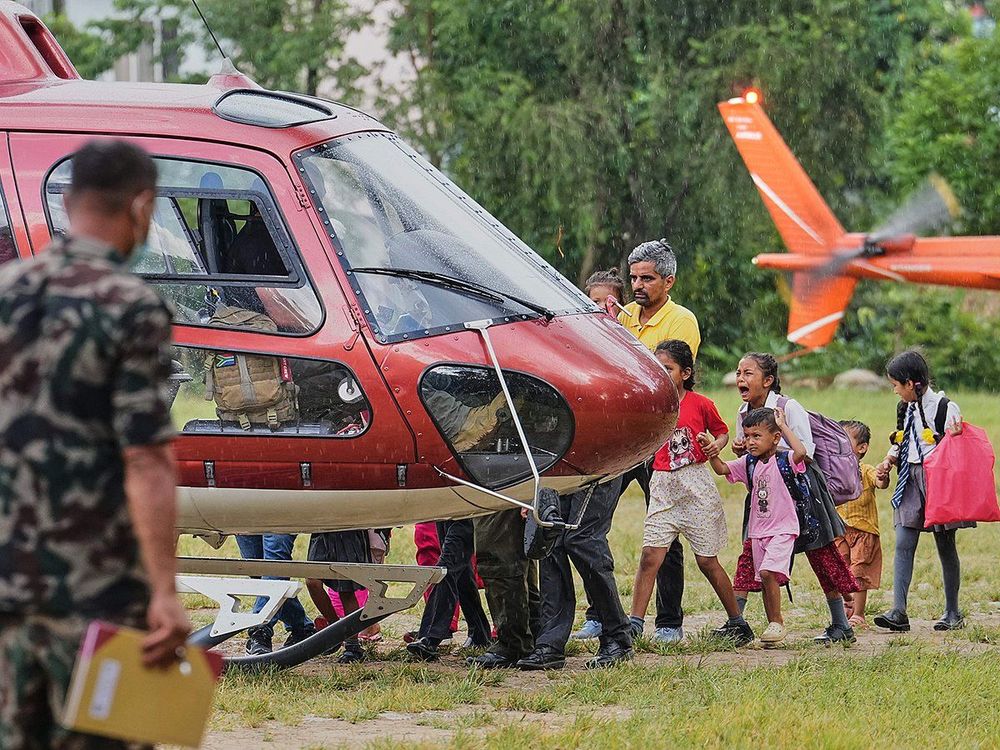
The Red Cross estimates that as many as 93,000 people are potentially affected by the disaster. Nepal has appealed for international financial assistance and specialized equipment, including heavy lift drones, DNA testing kits, and body freezer storage units.
Canada pledged CAN$5 million in humanitarian assistance, while the European Union committed two million euros. Chinese President Xi Jinping offered Beijing's support on Friday.
India announced it is stepping up monitoring of glaciers and glacial lakes in its Himalayan regions bordering China and Nepal.
Since we share a border with Nepal, as a neighbour, and also have a similar geographic situation, we have asked our department to monitor all the glaciers and known glacial lakes in the region,said Madan Kaushik, disaster management minister in the state of Uttarakhand.