934 hydropower workers remain unaccounted for after Nepal floods
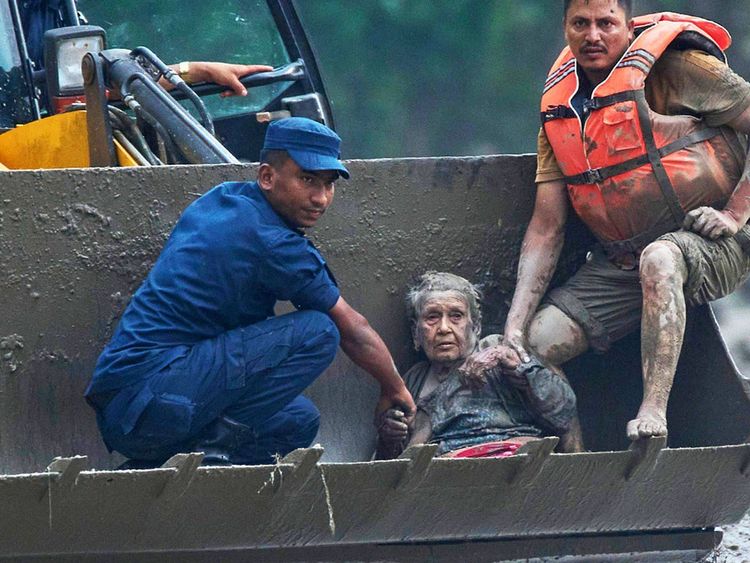
Devastating floods in Nepal's Rasuwa and Nuwakot districts have left 934 workers from 11 hydropower projects out of contact, with the 216-MW Upper Trishuli-1 project reporting the highest number of missing personnel.
934 hydropower workers remain unaccounted for after Nepal floods
A total of 934 people working on 11 hydropower projects in Nepal's flood-hit Rasuwa and Nuwakot districts remained out of contact following devastating floods that struck on August 26, according to the Independent Power Producers' Association, Nepal (IPPAN).
The association, which represents over 450 corporate members in Nepal's private hydropower sector, reported that 730 people linked to six projects in Rasuwa and 204 people connected to five projects in Nuwakot have not been reached since the disaster struck along the Bhote Koshi River, which flows from Tibet into Nepal through Rasuwa district before joining the Trishuli River system.
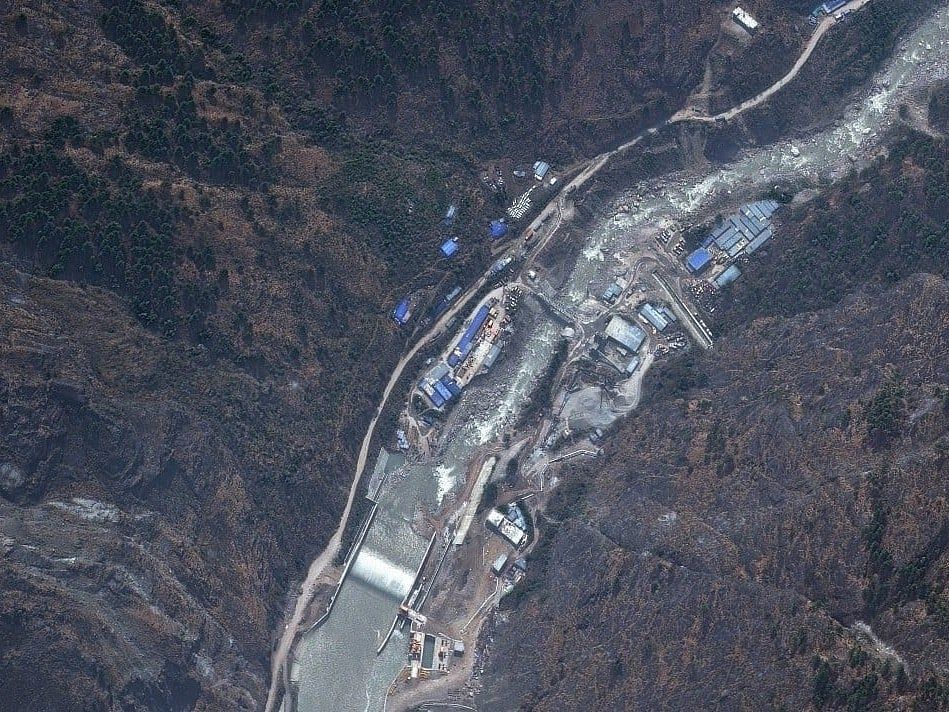
The Upper Trishuli-1 Hydropower Project, a 216-megawatt facility under construction in Rasuwa, accounted for the highest number of unaccounted personnel, with 576 workers remaining out of contact. The $647.4 million project, developed by Nepal Water and Energy Development Company with backing from South Korean investors, the International Finance Corporation, and local partners, was scheduled for completion in December 2026. Once operational, the project is expected to generate 1,533 gigawatt-hours annually, with nearly 39 percent of production during the dry season when Nepal typically experiences power shortages.
The 37-MW Upper Trishuli-3B Hydropower Project in Nuwakot reported 158 missing workers, while the 111-MW Rasuwagadhi Hydropower Project in Rasuwa, which was commissioned in 2024 and is owned by Chilime Hydropower Company Limited and Nepal Electricity Authority, had 93 people out of contact.
The remaining 107 unaccounted individuals were associated with eight other hydropower facilities in the affected areas, some under construction and others already operational.
Extensive damage to power infrastructure
IPPAN reported that the floods affected 13 hydropower projects across Rasuwa and Nuwakot with a combined installed capacity of 675.6 megawatts. This represents roughly 20 percent of Nepal's hydropower capacity, which stood at approximately 3,256 megawatts as of March 2025, accounting for 95 percent of the country's total electricity generation.
The disaster dealt a significant blow to Nepal's energy sector, where private companies account for 78.5 percent of electricity generation capacity. The country possesses an estimated 83,000 megawatts of technical hydropower potential and 42,000 megawatts of economically feasible capacity, though only 8 to 10 percent has been developed.
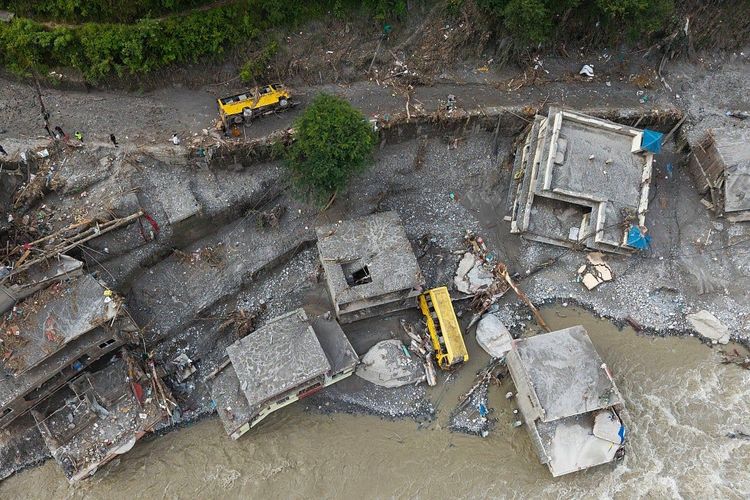
The floods, triggered by a sudden surge in the Bhote Koshi River, caused widespread destruction beyond the hydropower sector, damaging roads, bridges and other critical infrastructure throughout the region.
Growing humanitarian toll
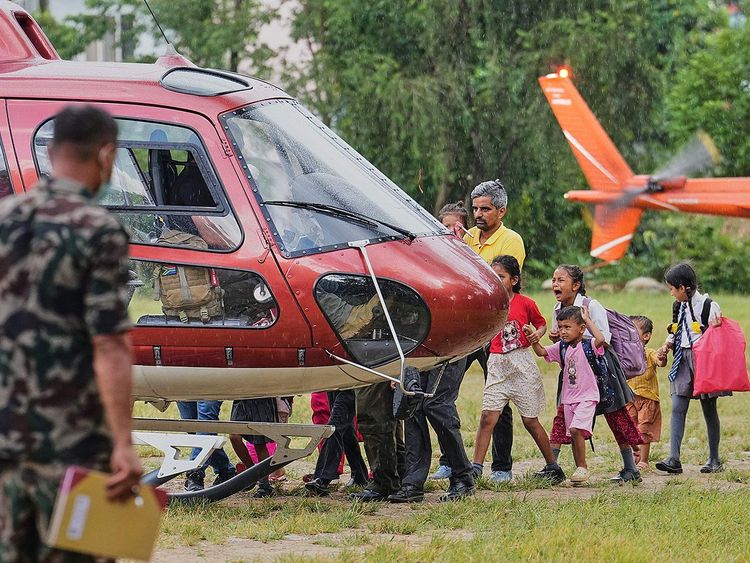
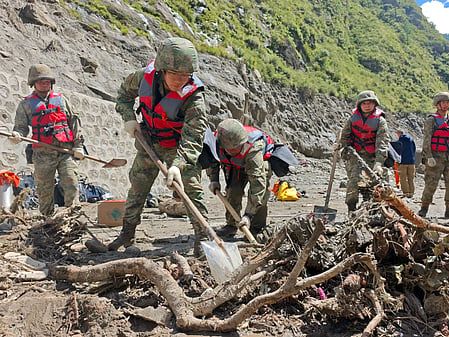
According to the National Disaster Risk Reduction and Management Authority, 626 bodies had been recovered as of Saturday morning, while 2,426 people remained out of contact across all affected areas. The disaster's humanitarian impact continues to unfold as rescue and recovery operations proceed in the mountainous terrain.
The flood damage poses serious challenges for Nepal's energy development at a time when the country has made significant progress in addressing power supply issues. After experiencing continuous electricity shortages and load-shedding from 2005 to 2016, Nepal achieved uninterrupted power supply in May 2018 through expanded hydropower capacity and electricity imports from India.