Filipino workers in UAE face confusion over OFW Pass and OEC requirements at Philippine airports
Recent travellers returning to the UAE report mixed experiences with digital OFW Pass and traditional OEC requirements, with some facing multiple trips across airports despite the 2023 launch of the digital system.
Digital promise meets practical challenges
For the approximately 780,000 Filipinos living in the UAE, returning home for vacation should be straightforward. But when it comes time to fly back, one travel document can determine whether departure is smooth or involves frustrating delays and confusion at Philippine airports.
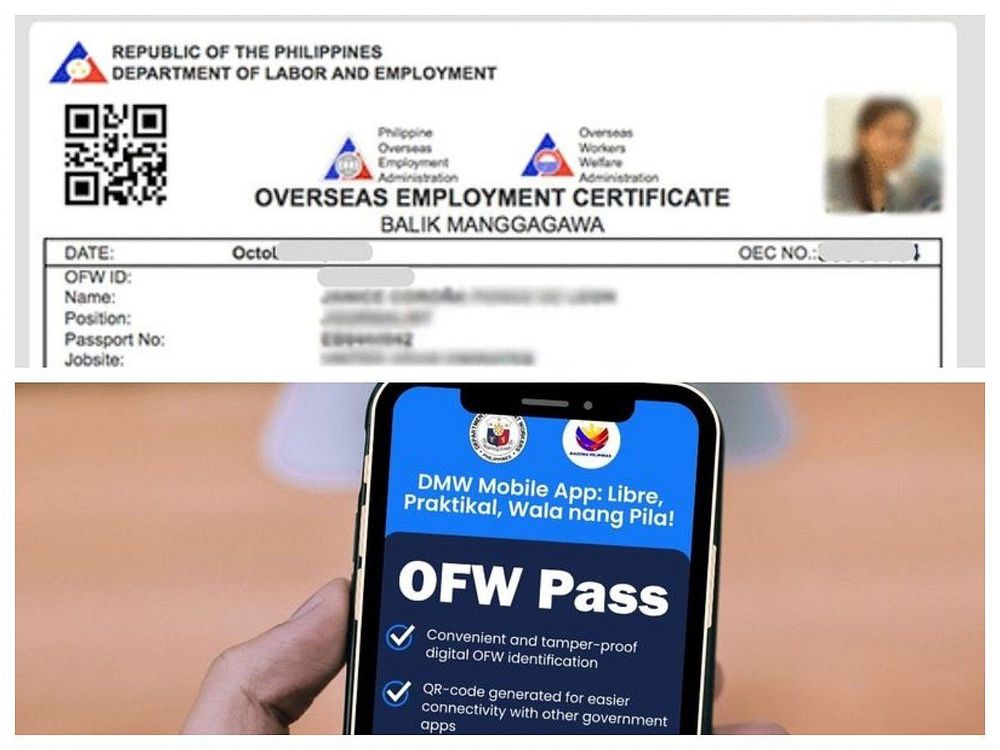
Despite the Department of Migrant Workers launching the OFW Pass on July 10, 2023, as a free digital alternative to the traditional overseas employment certificate, Filipino workers returning to the UAE have encountered inconsistent implementation nearly three years later. Some immigration counters accept the digital pass, while others still demand the printed OEC.
The DMW, created through Republic Act No. 11641 and established in February 2022 to protect the rights and promote the welfare of overseas Filipino workers, introduced the OFW Pass through its mobile app to streamline travel procedures. Unlike the OEC, which requires DMW processing and remains valid for only 60 days for single use, the OFW Pass stays valid until a worker's employment contract expires.
Both documents serve as exit clearances, but their acceptance varies significantly depending on the airport and even the specific counter.
Airport experiences reveal ongoing confusion
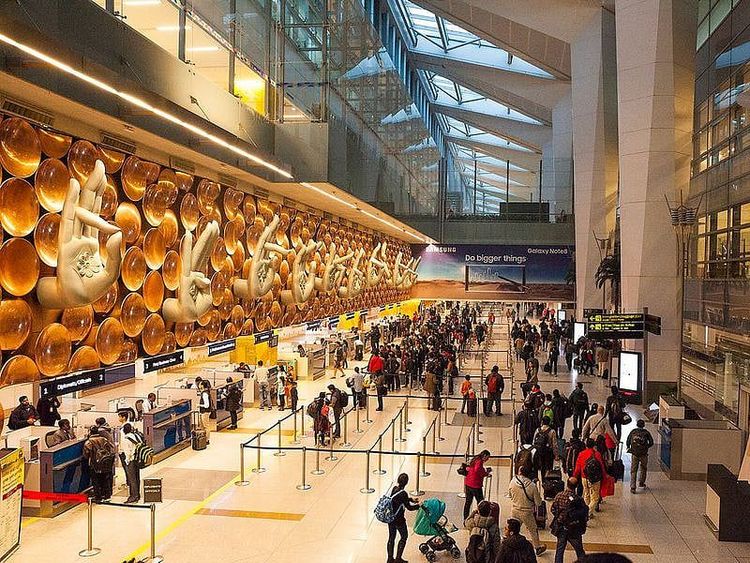
Jeane Adriano, a health and safety manager who returned to the UAE in August through Clark International Airport in Pampanga, experienced what should have been a simple process turn into an ordeal involving multiple trips across the terminal.
When checking in with Emirates, staff asked whether she had a printed OEC. Without one, she was directed to the DMW kiosk on the opposite side of the airport. There, she logged into the DMW online portal to apply for an OEC, watching other workers struggle with forgotten passwords and login details.
After printing the document and returning to the airline counter, staff photographed the OEC rather than keeping the hard copy. She proceeded to immigration, assuming the process was complete.
The immigration officers are still looking for the OEC. The OFW Pass is still not accepted. Even the details in e-travel are not accepted because the immigration system is still not linked.
Instead, the officer checked her documents, wrote something on paper, and instructed her to return to the DMW kiosk for verification. After obtaining verification, Adriano passed through airport security again before rejoining the immigration queue. Only then did the officer process her exit stamp.
Why the OEC still matters
Beyond serving as an exit clearance, the OEC provides tangible financial benefits. OFWs presenting a valid OEC are exempt from Philippine travel tax and airport terminal fees, exemptions that have been in place since 2015. The standard travel tax stands at ₱1,620 for first class passengers, with a reduced rate of ₱810.
Ressie Pineda, a kids club coordinator who returned to the UAE in July through Ninoy Aquino International Airport in Manila, found the OEC essential for claiming her travel tax refund. After obtaining the refund, staff immediately directed her to the dedicated OFW lane, where officials checked her OEC and travel pass before sending her to the smart gate.
OEC is still needed when you claim a refund and you need a hard copy of it based on my experience.
A transition period that continues
When DMW Secretary Susan Ople initially launched the OFW Pass in July 2023, she announced a two-month overlap period during which both the traditional OEC and digital pass would be accepted before any phase-out. That transitional approach appears to have extended indefinitely.
An immigration officer at NAIA, speaking anonymously without authorization to comment publicly, confirmed that both documents currently remain valid within the system. Workers processed through e-gates must have either a valid OEC or OFW Pass before departure.
Not every traveller encounters problems. Paulo Lagunay Jr., a food and beverage supervisor who returned to the UAE in August, continued using the traditional document without issues. He has not yet tried the OFW Pass, and presenting his OEC worked smoothly.
Scale of the challenge
The stakes for efficient processing are substantial. The UAE became the top destination for land-based OFWs in 2025 with 397,892 deployments, overtaking Saudi Arabia's 386,699. Overall, total OFW deployments reached a record 2.7 million in 2025, representing a 15.43% increase from 2.37 million in 2024, with over 2.15 million being land-based workers.
For OFWs planning to return to the UAE after visiting the Philippines, the safest approach involves ensuring their DMW account remains accessible and keeping necessary documents ready, whether digital or printed, before heading to the airport. Until airport systems fully integrate the digital alternative, both the OFW Pass and traditional OEC may be needed to guarantee a smooth departure.