UAE passport retains world's top ranking with access to 182 destinations
The UAE has maintained its position as holder of the world's most powerful passport according to the 2026 Arton Capital Passport Index, achieving a mobility score of 182 destinations through visa-free access, visas on arrival and electronic authorizations.
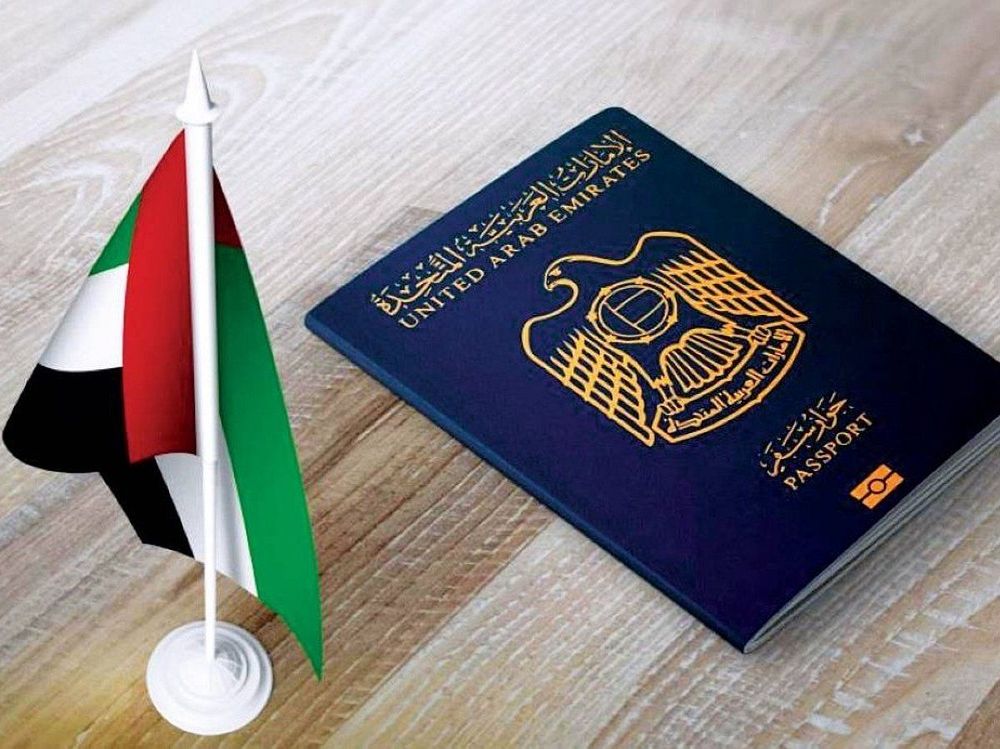
UAE passport retains world's top ranking with access to 182 destinations
The UAE passport has retained its position at the top of global travel rankings, securing first place in the 2026 Arton Capital Passport Index with a mobility score of 182 destinations. Emirati passport holders can travel to 138 countries without a visa, obtain visas on arrival in 44 destinations, and require pre-arranged visas for only 16 countries.
The achievement represents the continuation of a remarkable two-decade transformation. In 2006, when global passport rankings first emerged, the UAE ranked 62nd with access to just 35 destinations. The addition of 153 visa-free destinations over 20 years marks the largest improvement recorded by any passport in ranking history.
This success stems from a deliberate government strategy. The Ministry of Foreign Affairs launched the Passport Force Initiative in 2017, working closely with the Passport Index to monitor progress and strengthen international engagement. The initiative has helped elevate the UAE from 88th place globally to the world's strongest passport in less than a decade.
The UAE first reached the number one position on the Arton Capital index in December 2018, when it jumped from third place during the Year of Zayed, coinciding with the nation's 47th National Day. The current ranking confirms the country has maintained this leading position.
France and Spain shared second place in the annual index, while Singapore, Belgium, Luxembourg, Denmark, Sweden, the Netherlands, Finland, Switzerland, Portugal, Greece, Austria, Malaysia, Norway and Ireland ranked jointly in third. Malta, Poland, Hungary, Latvia, South Korea and Japan followed in fourth place.
Understanding passport index methodologies
The Arton Capital Passport Index, created in 2014, operates as a real-time global ranking system updated as new visa waivers and changes are implemented. The index measures a country's Global Mobility Score based on visa-free access, visas on arrival, and electronic travel authorizations or e-visas issued within three working days.
Different passport indices use varying methodologies, which explains discrepancies in rankings. The Arton index includes electronic travel authorizations and e-visas obtainable within three working days in its mobility calculations, while the Henley Passport Index counts only visa-free and visa-on-arrival access. This methodological difference means the UAE ranks first on Arton's index but holds a different position on Henley's ranking.
According to the Henley Passport Index for 2026, Singapore holds the top position with visa-free access to 192 destinations, while the UAE shares second place with Japan and South Korea with access to 188 destinations. Over the past decade, the UAE rose from 42nd place in 2015 to 8th place in 2025 on the Henley index, representing one of the most significant ascents in that ranking's history and establishing the UAE as the most powerful passport in the Arab world.
The Arton methodology covers 199 travel destinations, including the 193 UN member states and six territories. The index compiles data independently from official government sources. Where countries achieve identical mobility scores and visa-access profiles, rankings are determined using the United Nations Development Programme's Human Development Index, ensuring each passport receives a unique global position.
Global mobility trends
The UAE's achievement stands in contrast to shifting dynamics among traditional passport powers. In 2006, the United States held the world's strongest passport position alongside Denmark and Finland with access to 130 destinations. Twenty years later, the US ranks 10th with access to 180 destinations, despite gaining 50 destinations over that period.
The global mobility gap between the strongest and weakest passports has widened dramatically, from 118 destinations in 2006 to 168 destinations in 2026. Afghanistan remains at the bottom of passport rankings with access to only 24 destinations, highlighting growing inequality in international travel freedom.
The Henley Passport Index, based on exclusive data from the International Air Transport Association's Timatic database, was originally launched in 2005 and evaluates 199 passports against 227 destinations. Both major indices track the evolving landscape of global mobility as nations negotiate visa agreements and adjust entry requirements.