Father's travel to Germany halted after daughter writes 'We'll miss you' in passport
An Egyptian resident of Germany was denied boarding at the airport after his daughter's handwritten farewell message rendered his passport officially invalid, threatening his residency status.
Father's travel to Germany halted after daughter writes 'We'll miss you' in passport
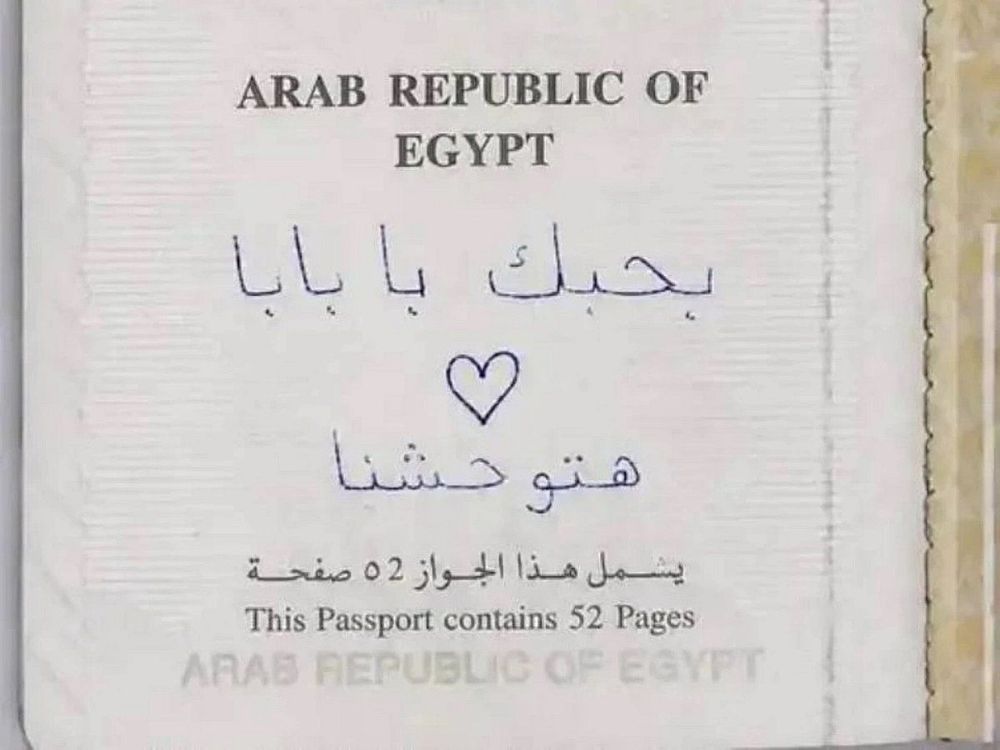
An Egyptian father's return journey to Germany was abruptly cancelled when airport authorities discovered his young daughter had written a loving farewell message inside his passport, rendering the travel document officially invalid under international standards.
The traveller, who resides in Germany, was stopped at the Egyptian airport after passport control officers noticed handwriting on one of the document's pages. In a video shared on social media, he explained that his daughter had inscribed "I love you, Dad... We'll miss you" before his departure, unaware that such markings could invalidate an official travel document.
Airport officials classified the passport as damaged and refused to allow him to board his flight, forcing him to cancel his trip. The decision left him facing a cascade of serious administrative complications, as his German residence permit was set to expire the following day.
International standards behind the ruling
According to international travel document standards established by the International Civil Aviation Organization, passports are considered unsuitable for travel if they contain extraneous inscriptions such as unauthorised drawings, marks or stamps. Even children's scribbles on a passport's data page can render it officially mutilated, authorising border agents and airlines to refuse passage regardless of the document's expiration date.
Airlines face substantial fines if they transport passengers with invalid travel documents. Under International Air Transport Association requirements, carriers are obligated to verify document validity and typically exercise extreme caution by denying boarding over even seemingly minor passport damage or markings. This liability concern drives the conservative interpretation of passport damage rules that affected this father's journey.
Complex replacement process
The situation is particularly complicated for Egyptian passport holders abroad. All Egyptian passports must be issued from the Ministry of Interior's Travel Documents, Immigration and Nationality Administration bureaus within Egypt, as Egyptian embassies and consulates overseas can only receive applications and return passports but cannot print machine-readable documents.
Replacing a damaged Egyptian passport from abroad typically requires approval from Cairo's immigration authorities and can take between 16 to 20 weeks in total. Consular fees for damaged passport replacement are significantly higher than standard renewals, reaching $410 in Washington and 915 Australian dollars in Sydney.
Residency at risk
The timing compounded the father's predicament significantly. Under Section 51 of the German Residence Act, a residence permit expires automatically if the holder stays outside Germany for more than six months, and airlines generally refuse to transport passengers with expired residence permits, potentially stranding them outside the country.
If his German residence permit expires, the consequences extend far beyond immediate travel disruption. Previous residence-related timeframes for obtaining permanent settlement permits or German citizenship generally restart from zero. Affected individuals must apply for new national visas through German embassies abroad in what can be a lengthy and bureaucratic process, potentially erasing years of residency progress.
Growing awareness
The incident quickly gained traction on social media platforms, prompting renewed discussion about the importance of maintaining passports in pristine condition. Many users expressed sympathy for the family, whilst others noted the episode serves as a cautionary reminder about strict regulations governing travel documents.
Travel experts note that many people are surprised at how little damage is needed to make a passport invalid. Unofficial markings on pages require full passport replacement rather than simple renewal. Immigration officers receive specialised training to scrutinise passports for unauthorised alterations, particularly as border procedures become increasingly automated with tighter scrutiny of document integrity.
Authorities worldwide treat passports as official government documents that must remain free of unauthorised markings or alterations. Writing, drawings, stickers or any other modifications can lead officials to regard a passport as damaged or invalid, potentially preventing its holder from travelling until a replacement document has been issued.