India's passport ranking slides from 71st to 81st over two decades as visa-free access narrows
India now ranks 81st globally with access to 55 visa-free destinations, down from 56 after Cape Verde policy change. The country's passport power has fluctuated significantly since 2006, reflecting changing global mobility dynamics.
India's passport ranking slides from 71st to 81st over two decades as visa-free access narrows
India's global passport ranking has experienced significant fluctuations over the past 20 years, declining from 71st position in 2006 to 81st in the latest Henley Passport Index 2026. Indian passport holders now have access to 55 destinations without requiring a traditional visa before travel, down from 56 earlier this year.
The Henley Passport Index, which compares 199 different passports across 227 travel destinations using data from the International Air Transport Association (IATA), is updated monthly to reflect changes in visa policies and diplomatic agreements. The index employs binary scoring, assigning one point for each accessible destination, with passports achieving the same total score sharing the same rank.
The recent drop in India's accessible destinations came after Cape Verde suspended visa-on-arrival access for 96 countries, including India, effective January 1, 2026, under Decree No. 244/GMAI/2025. Travelers must now obtain visas through an embassy or consulate before departure.
Two decades of volatility
India's passport journey has been marked by periods of decline and recovery. From 71st place in 2006, the ranking gradually slipped to 82nd by 2012. A brief improvement to 74th place in 2013 was followed by a sharp decline to 88th in 2015. The lowest point came in 2021, when India fell to 90th position.
Since then, the country has entered a recovery phase, improving to 83rd in 2022, 84th in 2023, and reaching 80th in 2024. Despite slipping to 85th in 2025, India recovered to 81st place in 2026, though still 10 positions below its 2006 starting point.
Growing global divide in passport power
The 20th anniversary edition of the Henley Passport Index reveals a dramatic expansion in global travel freedom. The average passport now provides access to 108 destinations, nearly double the 58 destinations available in 2006.
However, the gap between the strongest and weakest passports has widened considerably. The difference has expanded from 118 destinations in 2006 to 168 destinations in 2026, with Singapore offering access to 192 destinations compared to Afghanistan's 24 destinations.
Even traditionally powerful passports have experienced declines. The United States has suffered the third-largest ranking decline over the past two decades, falling from 4th place in 2006 to 10th place in 2026, despite increasing its access from 130 to 180 destinations. The UK dropped from 3rd to 7th place during the same period.
Regional success stories
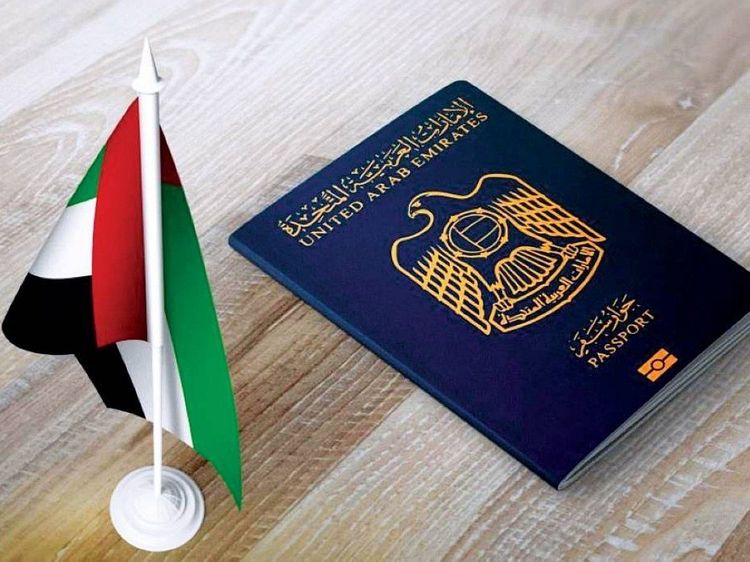
Singapore currently holds the world's most powerful passport, with access to 192 destinations. The UAE has emerged as a major success story, rising from a middle-ranking position in 2006 to second place globally in 2026, alongside Japan and South Korea, with access to 188 destinations. The UAE has added 153 visa-free destinations over two decades.
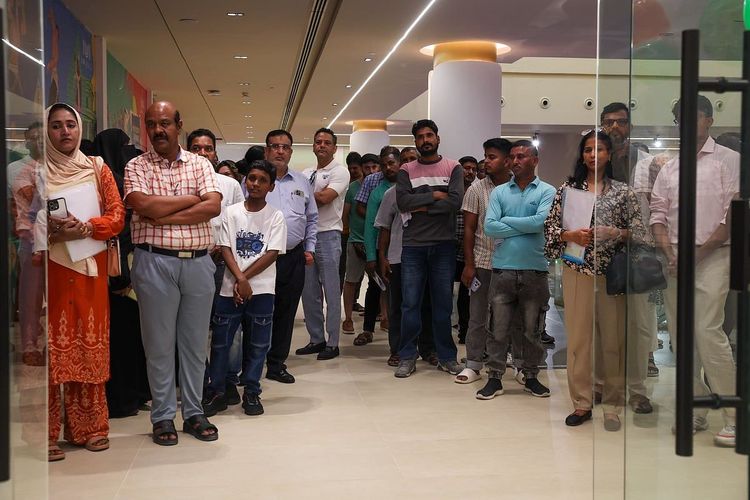
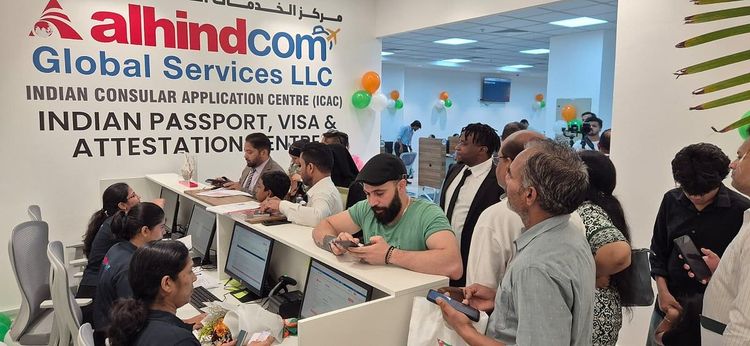
For the UAE's approximately 4.36 million Indian residents—the largest expatriate community representing roughly 38% of the country's total population—these passport rankings carry particular significance for international travel planning.
Positive developments amid challenges
Despite the overall ranking challenges, India has made progress through bilateral agreements. Recent deals with Malaysia, Kazakhstan, and Thailand have provided new visa-free or extended access, with Malaysia offering 30-day visa-free stays for tourism valid until December 2026 and Thailand extending visa-free stays to 60 days in 2025.
In December 2025, India signed a bilateral visa waiver agreement with Saudi Arabia providing mutual exemption from short-stay visa requirements for holders of diplomatic, special, and official passports.
Current visa-free access
The 55 destinations currently available to Indian passport holders include visa-free entry, visa on arrival, electronic travel authorization, and visitor permits. Most accessible destinations are located in Asia, Africa, and island nations.
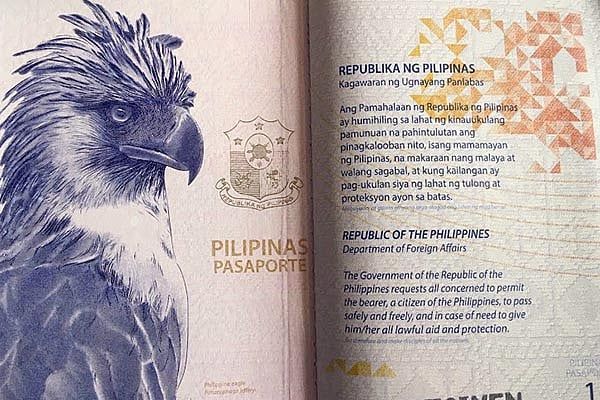
Visa-free destinations include Barbados, Bhutan, Fiji, Grenada, Jamaica, Kazakhstan, Malaysia, Mauritius, Nepal, Philippines, Rwanda, Senegal, Sri Lanka, Thailand, and Trinidad and Tobago, among others.
Visa-on-arrival destinations include Burundi, Cambodia, Ethiopia, Indonesia, Jordan, Laos, Madagascar, Maldives, Mongolia, Mozambique, Myanmar, Qatar, Samoa, Tanzania, and Zimbabwe.
Advance visas remain required for major destinations including the United States, United Kingdom, and most European countries.
The two-decade passport journey reflects the challenges faced by emerging economies in expanding global influence while competing in an increasingly connected but unequal mobility landscape. While global travel access has improved overall, passport strength depends on diplomatic relationships, economic influence, international partnerships, and geopolitical standing.