Philippine passport rises to 72nd globally in 2026, but remains below pre-pandemic strength
The Philippine passport climbed to 72nd place in the 2026 Henley Passport Index with visa-free access to 65 destinations, marking gradual recovery from pandemic lows but still trailing its 2007-2009 peak of 62nd place.
Philippine passport rises to 72nd globally in 2026, but remains below pre-pandemic strength
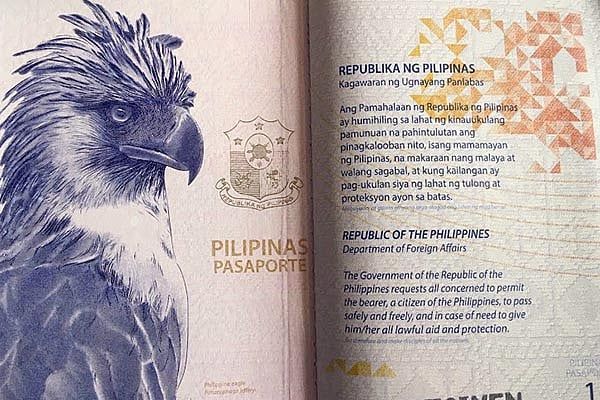
The Philippine passport has climbed to 72nd place in the 2026 Henley Passport Index, its strongest position since before the COVID-19 pandemic, offering Filipino travelers visa-free access to 65 destinations worldwide.
The ranking represents a three-notch improvement from 75th place in 2025 and marks continued recovery from the pandemic-era low of 83rd in 2021. However, it remains well below the country's historical peak of 62nd place achieved between 2007 and 2009.
The Henley Passport Index, which tracks 199 different passports and 227 travel destinations with monthly updates, bases its rankings on data from the International Air Transport Association. The index has become the most comprehensive measure of global travel freedom.
Significance for millions of Filipino workers
The improved ranking carries particular importance for the approximately 2.19 million overseas Filipino workers recorded in 2024, an increase of 1.5 percent from 2.16 million in 2023. Women comprise 57.2 percent of this workforce, with many concentrated in service roles. Among newly hired land-based workers in 2024, domestic cleaners and helpers accounted for roughly 117,000 positions, followed by domestic housekeepers at 85,645.
Geographic deployment data shows the Middle East hosting 1,113,049 Filipino workers, while Asia accounts for 798,455, highlighting regions where enhanced passport mobility delivers the greatest practical benefit for Filipino citizens.
Two decades of fluctuating fortunes
The Philippine passport's journey through global rankings reveals a complex trajectory. After holding 63rd place in 2006, the country improved to 62nd between 2007 and 2009 before beginning a gradual decline through the following decade, bottoming out at 80th in 2015.
The passport recovered to 76th in 2014 and stabilized in the mid-70s until the pandemic struck. The 2021 ranking of 83rd reflected global border closures and travel restrictions that reshaped international mobility. Since then, the trajectory has turned upward: 77th in 2022, 78th in 2023, 73rd in 2024, 75th in 2025, and now 72nd in 2026.
The Philippines has pursued multiple strategies to strengthen its travel document. The country introduced machine-readable passports in the early 21st century, followed by biometric electronic passports in 2009, incorporating advanced security features and microchip technology to improve identity verification.
Recent diplomatic initiatives
Recent visa policy changes demonstrate the Philippines' active diplomatic engagement. The country granted visa-free entry to Indian nationals for 14 days effective June 8, 2025, and extended similar privileges to Chinese nationals for 14 days starting January 16, 2026, as part of efforts to expand tourism and bilateral relations.
The Philippines also launched a Digital Nomad Visa in April 2025 under Executive Order No. 86, requiring a $24,000 annual income threshold and permitting stays up to two years, joining Asia's expanding digital nomad visa landscape.
Regional and global context
Within Southeast Asia, the Philippine passport lags behind most regional peers. According to the 2026 Passport Index by Arton Capital, which uses different methodology, the Philippines ranks 130th with a Mobility Score of 77, trailing Singapore (2nd), Malaysia (3rd), Brunei (52nd), Thailand (109th), and Indonesia (115th).
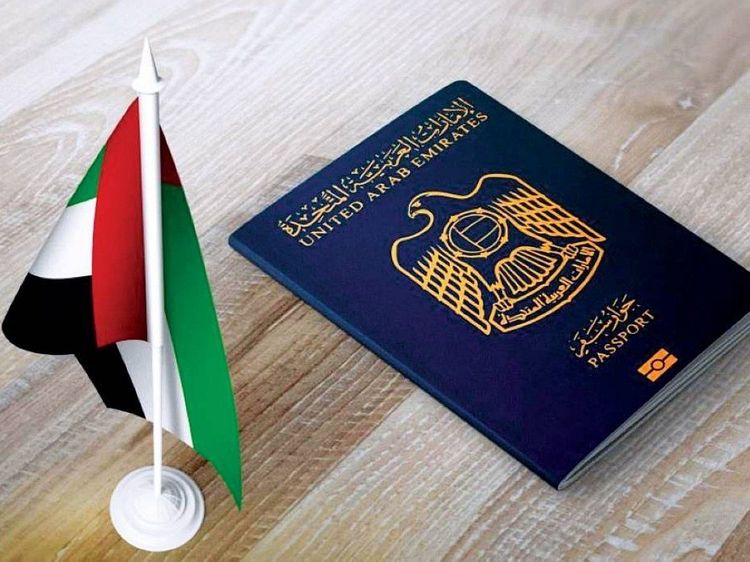
Globally, Singapore maintains the strongest passport with access to 192 destinations, followed by Japan and South Korea in joint second place. The United Arab Emirates, which has added more than 150 visa-free destinations since 2006 through aggressive diplomatic campaigns, shares second place after a remarkable transformation in passport power.
Widening global inequality
The 2026 rankings underscore growing disparities in international mobility. The gap between the world's strongest and weakest passports now stands at 168 destinations — Singapore's 192 versus Afghanistan's 24 — compared to 118 destinations in 2006, representing the widest gap ever recorded.
This occurs even as global travel expands, with the International Air Transport Association forecasting that airlines will carry more than 5.2 billion passengers in 2026. The paradox highlights how enhanced mobility for some nations coincides with persistent barriers for others.
Christian H. Kaelin, chairman of Henley & Partners, noted that passport strength increasingly reflects geopolitical influence. The world's strongest passports belong to nations that other countries seek as partners for trade, investment, security or cooperation.
For the Philippines, the rise to 72nd place signals progress through incremental diplomatic gains rather than dramatic breakthroughs. Expanding visa-free access depends on broader foreign policy objectives, including strengthened bilateral relations, improved border security, economic partnerships and mutual trust between governments.
The challenge ahead is whether this momentum can be sustained in an increasingly competitive environment where passport power has become another measure of global standing and influence.