Dubai targets early 2027 to connect all traffic signals to AI-assisted control
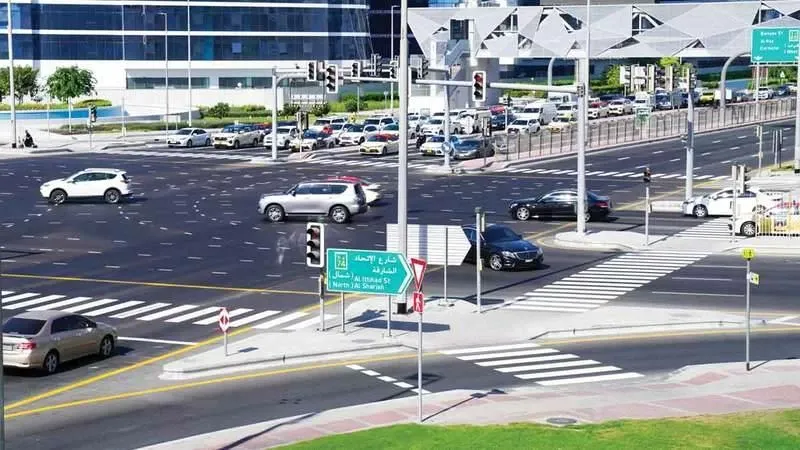
Dubai plans to connect every traffic signal in the emirate to its Al Barsha traffic control center by the beginning of 2027, enabling AI to anticipate bottlenecks and adjust signal timing. The Roads and Transport Authority expects the systems to reduce congestion at signals by at least 10%.
 Mariam Al Mansoori
Cameras and traffic data to guide signal timing
Work to connect the signals is underway, according to Ahmed Hashim Bahrozyan, the RTA's executive director of Corporate Technical Support Services. He said the connections are scheduled for completion alongside the introduction of AI-based signal management.
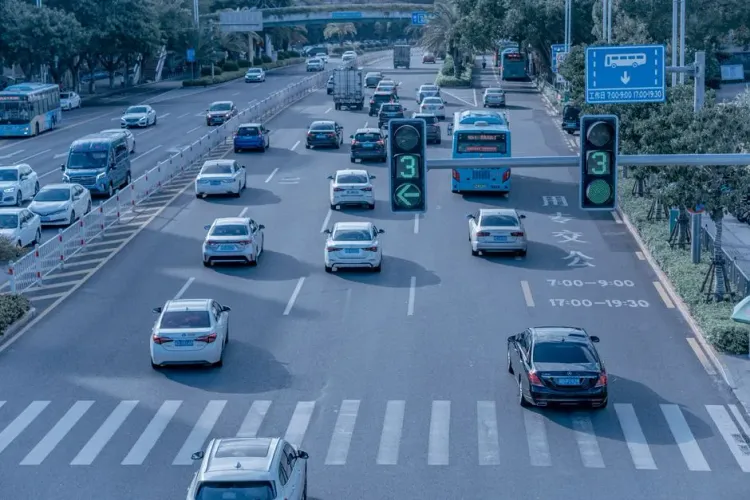
The system will analyze vehicle movements using existing cameras and traffic systems, identify locations where congestion could develop, and change signal timing to match conditions. Bahrozyan said this would allow more dynamic adjustments than the current system.
Speaking on Noor Dubai Radio's Live Broadcast program, he said the Al Barsha center oversees traffic across the emirate, with the RTA and Dubai Police coordinating continuously. He also noted that other projects would contribute to improving traffic flow alongside the signal-management systems.
Earlier signal upgrades and trial results
The RTA has previously announced upgrades to its central signal-control technology. On February 24, 2025, it said work had started on UTC-UX Fusion, a system combining AI, predictive analytics and digital twin technology. That announcement envisaged deployment at all major Dubai intersections and completion in the first half of 2026.
The authority described a system that would adjust signal timing dynamically and test proposed changes in a digital twin before applying them. It would also support future C-ITS/V2X connected-vehicle technologies.
A September 4, 2025, RTA update reported improvements in road efficiency and traffic flow ranging from 16% to 37% on key corridors after the first phase of the upgrade. Overall travel-time improvements ranged from 10% to 20%. In operational trials, gains reached up to 37% at Jumeirah Street intersections, 29.4% on Al Badaa Street, 16.9% on Kuwait Street and 16.4% on Omar Bin Al Khattab Street.
In that update, the authority gave a completion forecast of the third quarter of 2026, when about 300 signalized intersections were expected to have switched to the new-generation system.
A separate connection between signals and vehicles
Traffic signals are also part of Dubai's Smart Connected Vehicles project. Gulf News reported that the RTA announced a V2X system in October 2025 to send information directly from traffic infrastructure to connected vehicles.
Deployment is scheduled across approximately 620 intersections and traffic lights in 2027 and 2028. Drivers of connected vehicles would receive dashboard information including how much green-light time remains, countdowns to the end of red lights, congestion alerts and accident notifications.
According to Gulf News, Dubai operates 620 signalized intersections, all of which are set to connect to the new central system.
AI rollout spans 41 areas of RTA work
Bahrozyan placed signal management within a broader AI strategy covering 41 areas of RTA activity. These range from services for the public to internal functions such as procurement, contracts, finance and human resources, as well as planning for buses, maritime transport, the Metro and other mass transit.
He said the authority aims to introduce AI extensively across those areas within two and a half years through six phases. The first two have begun, with the remaining four due over the next two years. Because AI technology changes rapidly, the RTA reviews the strategy every six months to a year, he said.
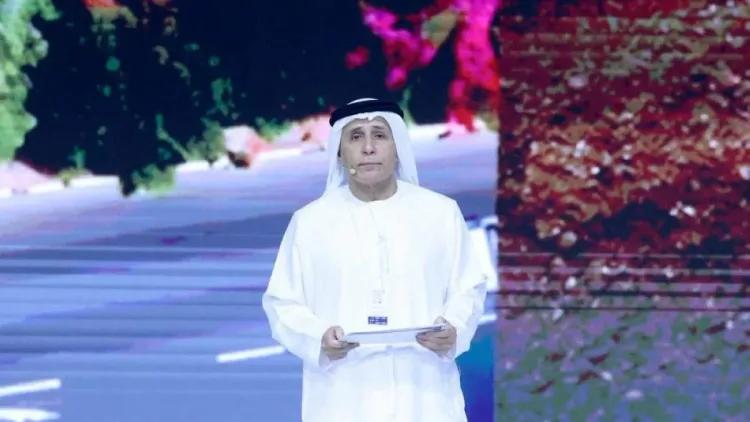
RTA Director General Mattar Al Tayer launched the updated strategy on November 1, 2026, according to the Dubai Government Media Office. Its targets include a 3% to 5% reduction in traffic congestion and a 10% to 20% reduction in accidents involving newly licensed drivers.
The first two rollout waves cover 11 business areas. They include 40 identified AI products, 11 of them already completed, and four foundational projects. More than 180 use cases and quick-win initiatives have been identified across those areas.
Customer transactions and asset monitoring
For customers, Bahrozyan described a shift toward an AI assistant that can handle frequently used services, including paying fines and renewing vehicle registrations and driver's licenses. The RTA is upgrading its Mahboub chatbot with Agentic AI to carry out transactions from start to finish through its app, website and WhatsApp.
According to the Dubai Government Media Office, the upgraded platform supports five vehicle licensing services entirely within the system and provides access to about 100 information services. Connections to UAE PASS and Dubai Pay allow vehicle-related transactions to be completed in less than five minutes. The RTA targets delivery of 10% of services through the platform by the end of 2026 and 50% by the end of 2027.
Asset management is another focus. Bahrozyan said the RTA holds assets worth more than Dh150 billion, with projects such as the Metro Blue Line and new roads and infrastructure adding to that portfolio. As its size and value grow, relying on traditional employee-led inspections and management becomes more difficult, he said. The authority expects AI to expand asset coverage and monitoring to as much as five times the current level.
Bahrozyan said the wider strategy is expected to generate more than Dh300 million in added value annually through better public services and operational efficiency. The RTA also aims to move more than half of its operations and services to an assistive AI system over the next two years.