Dubai RTA explores underground transport network for passengers and goods
Mattar Al Tayer reveals plans for integrated three-dimensional mobility system spanning land, air and underground transport as Dubai anticipates doubling of population and transport demand.
 Mariam Al Mansoori
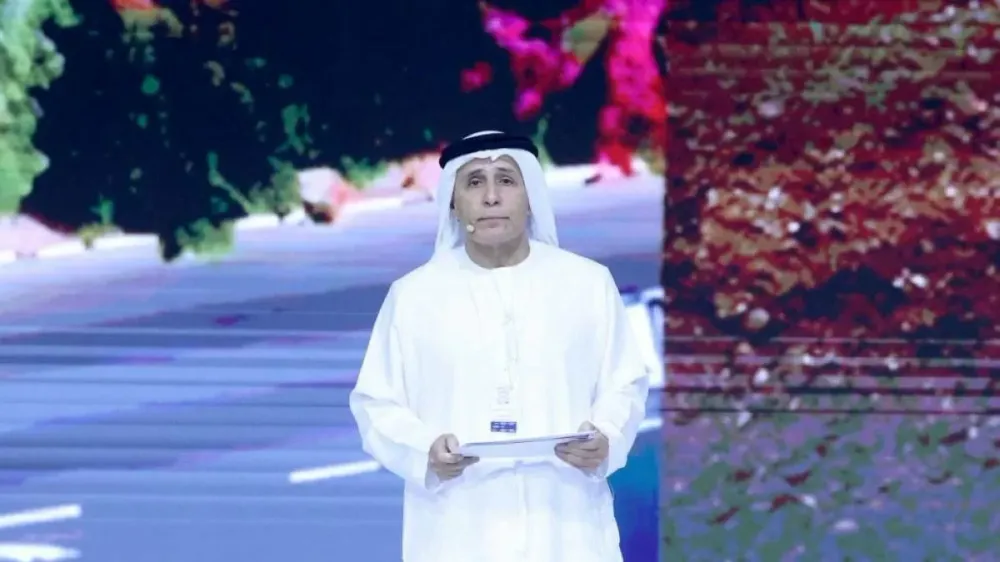
Dubai RTA Studies Integrated Underground Transport System for Passengers and Goods, Says Mattar Al Tayer
Dubai's Roads and Transport Authority is studying the development of an integrated underground system for transporting goods and passengers as part of the emirate's efforts to anticipate future mobility needs and accommodate rapid growth, according to its Director-General and Chairman of the Board of Executive Directors, Mattar Al Tayer.
Speaking at the Mohammed bin Rashid Leadership Forum during a session titled "Dubai's Mobility in Three Dimensions," Al Tayer emphasized that the most important question leaders should ask is how to anticipate the future rather than wait for it, describing this as a key lesson learned from His Highness Sheikh Mohammed bin Rashid Al Maktoum, Vice President, Prime Minister and Ruler of Dubai.
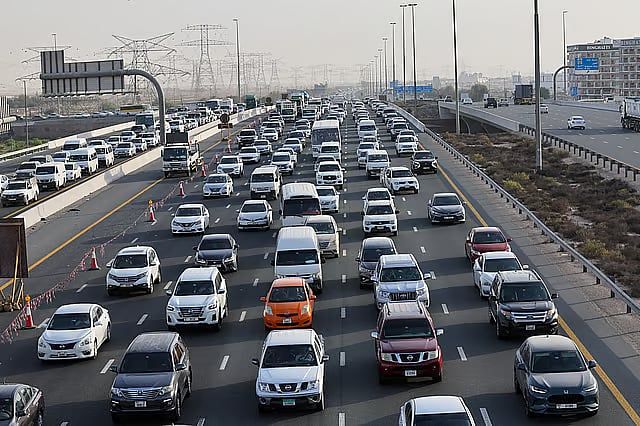
Dubai's daytime population has reached around six million and is expected to double in the future, increasing demand for mobility and expanding the responsibility of developing infrastructure capable of accommodating future growth. The emirate records around 11 million trips daily, averaging up to 7,000 trips per minute, with each journey representing a human story, destination and need.
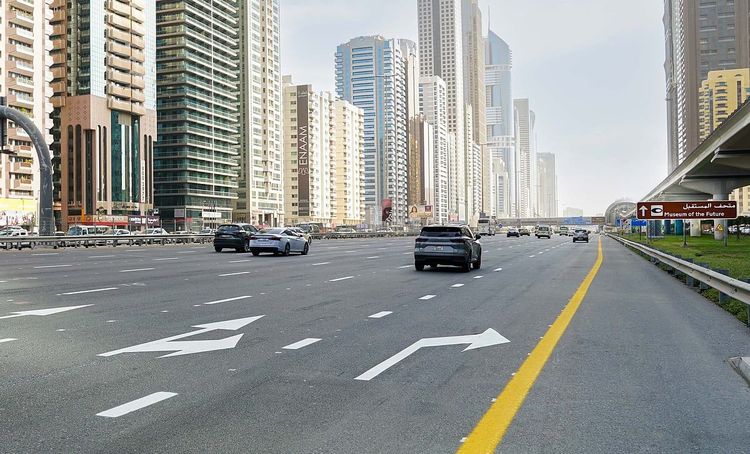
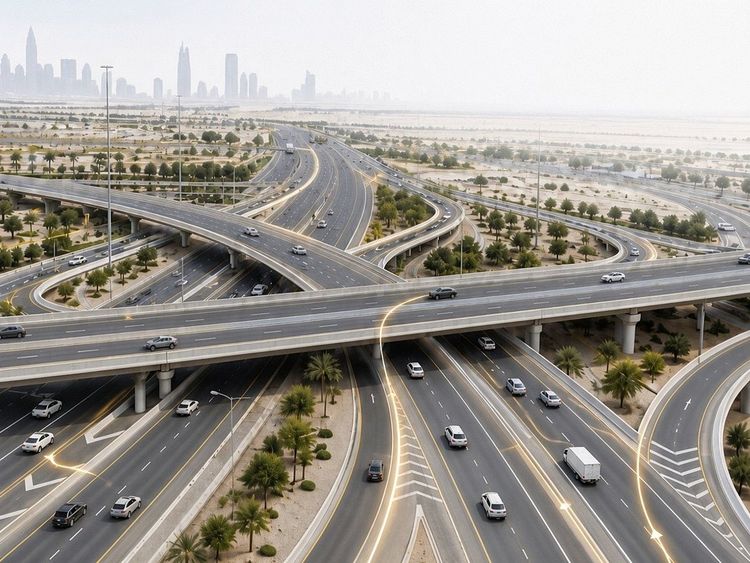
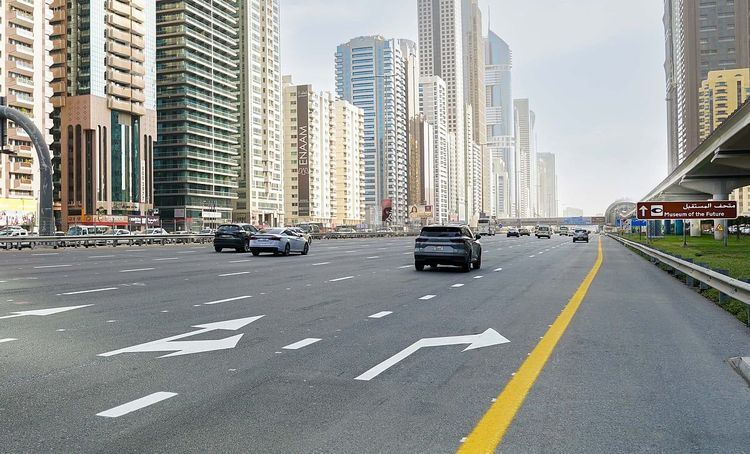
The road network, if laid end to end, would stretch to a distance equal to half the circumference of the Earth. Over the past 20 years since the RTA's establishment in 2006, the authority has invested AED 175 billion in developing Dubai's infrastructure, including roads, metro lines, trams, cycling tracks and pedestrian pathways. The road network now spans more than 25,000 lane-kilometers, supporting 3.5 million vehicles daily.
Building infrastructure during crisis
Al Tayer noted that before 2005, Dubai experienced rapid growth in most sectors while road infrastructure struggled to keep pace, leading to lost time and productivity. Sheikh Mohammed bin Rashid's vision went beyond temporary solutions and focused on creating a comprehensive and sustainable transport system.
In 2006, the RTA was established with a budget of Dh75 billion, and its plans were approved in a single session, marking the start of a new phase in Dubai's transport development. The projects have since generated economic benefits estimated at Dh319 billion and financial returns of Dh156 billion.
Al Tayer recalled that Sheikh Mohammed tasked him with preparing a study to develop the roads and transport sector, giving him two months to complete it. The work was completed in half that time.
One of the lessons instilled by Sheikh Mohammed bin Rashid is that crises should not delay projects but can instead accelerate their implementation. This was demonstrated by the launch of the Dubai Metro during the global financial crisis in 2009. The Dh34 billion project opened with 10 out of 29 stations on the Red Line on September 9, 2009, when Dubai's property prices had fallen 40% in the first quarter of that year, making it one of the worst-affected real estate markets globally. The remaining stations opened progressively through 2010 and 2011.
The metro system has since carried over 1 billion passengers and in 2024 alone transported 275.4 million riders with a punctuality rate of 99.7%.
The commitment to building the future during challenging periods continued with Route 2020 during the Covid-19 pandemic. This 15-kilometer extension of the Dubai Metro Red Line became partially operational on January 1, 2021, adding seven new stations to serve approximately 270,000 residents and transport passengers to the Expo 2020 site.
Progress on the Gold Line in 2026 despite geopolitical challenges further demonstrates this approach. Announced on April 22, 2026 by Sheikh Mohammed bin Rashid Al Maktoum, the AED 34 billion Gold Line will be Dubai's first fully underground metro line, spanning 42 kilometers at depths up to 40 meters. The project includes 18 stations scheduled to open on September 9, 2032, and will serve approximately 1.5 million residents while connecting 15 strategic areas and linking with 55 major real estate developments under construction. The line is projected to achieve a 430% cumulative economic return over 20 years of operation.
Three-dimensional mobility
Al Tayer explained that designing the future of mobility in Dubai goes beyond how people move to include where they can move. The emirate's future transport system is being developed across three dimensions.
Land-based mobility
The first dimension is land-based mobility through the expansion of autonomous transport, with a goal of making one in four journeys self-driving by 2030. Dubai's Self-Driving Transport Strategy aims to convert 25% of all journeys to autonomous mode, with projected annual benefits of AED 22 billion through improved safety, lower costs, emissions reductions and economic growth. The strategy is expected to reduce transportation costs by 44% and carbon emissions by 12%.
Air mobility
The second dimension is air mobility through air taxis. Dubai completed its first air taxi station near Dubai International Airport in April 2026, a 3,100 square meter, four-storey vertiport with two take-off and landing pads, developed through a partnership between RTA, Skyports Infrastructure and Joby Aviation. Commercial operations are planned for late 2026.
The initial phase includes four vertiport stations at Dubai International Airport, Downtown Dubai, Dubai Marina and Palm Jumeirah. The service will reduce travel time from Dubai International Airport to Palm Jumeirah from 45 minutes to just 10 minutes, creating new transportation opportunities across the emirate.
Underground mobility
The third dimension is underground mobility, where an RTA team is studying an integrated system for transporting passengers and goods. The project would support transport efficiency, meet Dubai's future requirements and further integrate different modes of transport within a single multi-dimensional network.
Al Tayer stressed that shaping the future requires leaders with the vision and ability to transform ideas into reality. He highlighted the authority's plans to develop 100 artificial intelligence products, describing AI as a key driver of future mobility.