Cigarette Butts Thrown From Cars Pose Road Hazards and Carry UAE Penalties
A lit cigarette butt tossed from a car window passed through traffic before disappearing beneath other vehicles, according to a Gulf News account. The incident highlights risks to nearby drivers and riders, as well as a UAE traffic offense that carries a Dh1,000 fine and six traffic points.
 Mariam Al Mansoori
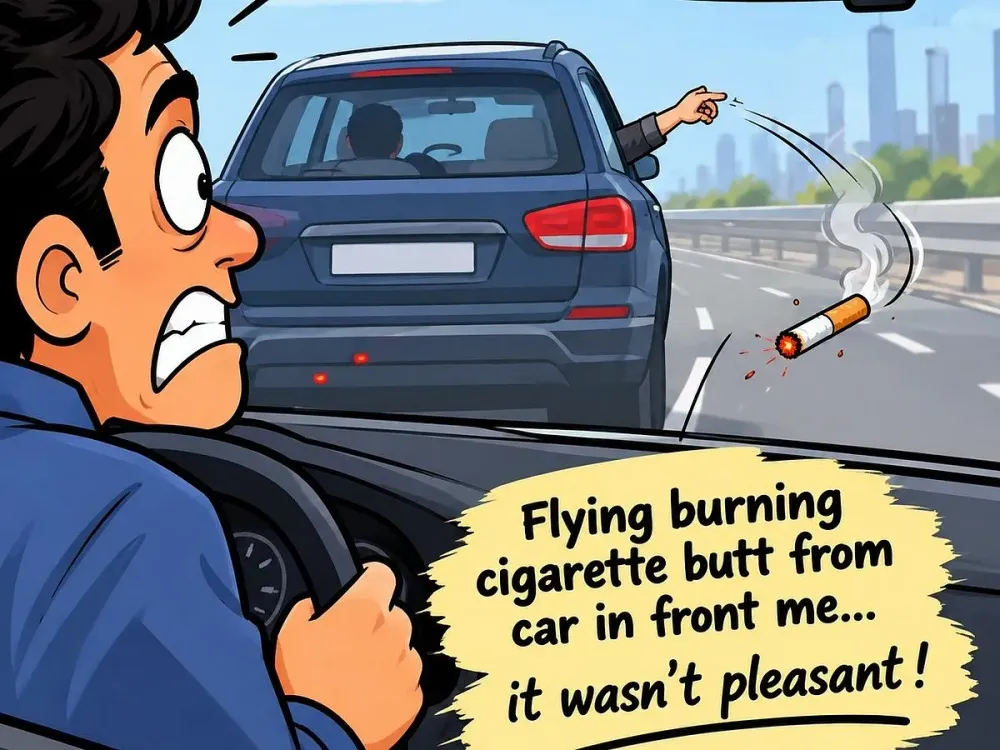
An ember in traffic
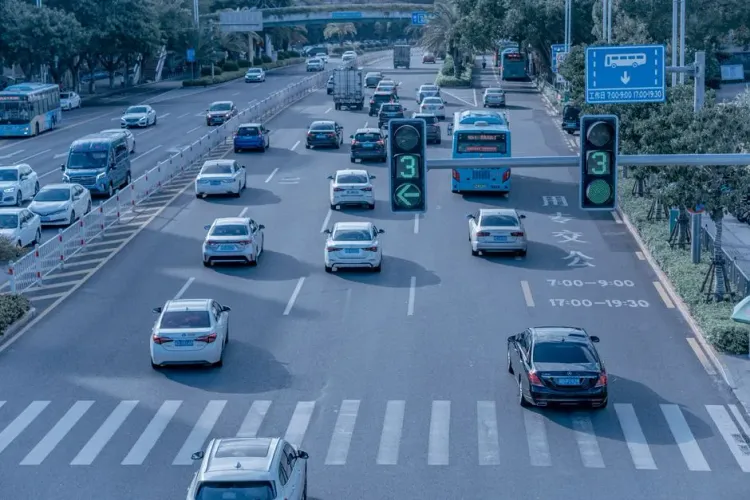
The Gulf News writer described seeing the burning cigarette emerge from the vehicle ahead. What happened next can depend on wind speed and direction: a butt could hit another vehicle, blow through an open window or divert a driver's attention at a critical moment.
Riders on motorcycles and bicycles are particularly exposed. Contact with a burning ember can injure them or damage their clothing, while an abrupt reaction could increase the chance of a crash.
UAE penalties apply even when a passenger litters
Article 71 of the UAE Federal Traffic Law makes throwing waste from a vehicle a traffic violation across all seven emirates. Cigarette butts, tissues and aluminum cans are among the items covered. The driver receives the Dh1,000 fine and six traffic points even when a passenger is responsible for throwing the waste.
Abu Dhabi's Department of Municipalities and Transport also has a schedule of littering penalties. Dropping cigarette butts anywhere other than designated containers can bring a fine of up to Dh2,000. Leaving waste in areas not designated for disposal carries a fine of up to Dh4,000.
Dry vegetation can turn litter into a fire
In hot, dry weather, a burning cigarette that reaches roadside grass or other vegetation can start a rapidly spreading fire, threatening people, property and natural habitats. Authorities in many countries warn about discarded smoking materials. A fire is not the inevitable result of every discarded cigarette, but the risk depends on the conditions where it lands.
The Western Australian government reported in December 2017 that cigarettes had caused 2,030 fires in roadside mulch during the previous four years. At the time, it also identified cigarette butts as the state's most frequently littered item, accounting for 29 percent of its litter stream.
Western Australia's Litter Act 1979 allows a fine of A$200 for improper cigarette-butt disposal. The fine can rise to A$500 if the butt is proved to have been burning when it was dropped.
Plastic waste that lasts for years
A filter's cotton-like appearance can give the mistaken impression that it is biodegradable. Most cigarette filters instead contain plastic-based materials that remain in the environment for years. Discarded butts pollute parks and other public spaces as well as drains and waterways, and can harm wildlife.
According to the Western Australian government, the non-biodegradable plastic in cigarette butts can take up to 15 years to break down. Rainwater can carry them into stormwater drains and waterways, where they release toxic chemicals including cadmium, lead and zinc. Marine animals often mistake the butts for food; they have been found inside fish, birds, sea turtles and other marine creatures.
The WHO Framework Convention on Tobacco Control Secretariat estimates that about 4.5 trillion cigarette butts are discarded improperly each year worldwide. That amounts to roughly 1.69 billion pounds of toxic trash. The Secretariat identifies cigarette butts as the world's most abundant form of plastic waste.
A WHO Framework Convention on Tobacco Control document examining ways to prevent environmental damage throughout the tobacco product life cycle recommends a ban on cigarette filters. Its reasons include making cigarettes less appealing, correcting consumers' mistaken belief that filters reduce health harms, and reducing toxic tobacco waste, including microplastics released by the cellulose acetate in filters.
Safe disposal and shared responsibility
The Gulf News account frames the incident as a matter of courtesy as well as safety: people sharing a road should not have to contend with waste thrown from another vehicle. Responsible driving involves everyday conduct, including keeping objects inside the vehicle and disposing of trash properly, alongside attention to speed, distractions and vehicle maintenance.
The article says awareness campaigns have encouraged better disposal habits, while continued littering shows a need for further education, enforcement and community involvement. For someone finishing a cigarette while traveling, its advice is to extinguish it safely and dispose of it properly when a suitable waste bin is available.