Dubai opens new bridge cutting Al Qudra intersection wait times by 85%
RTA completes 700-metre bridge at Al Qudra Road intersection with Sheikh Zayed bin Hamdan Al Nahyan Street, slashing journey times from 9.4 to 2.8 minutes as part of AED 798 million development project.
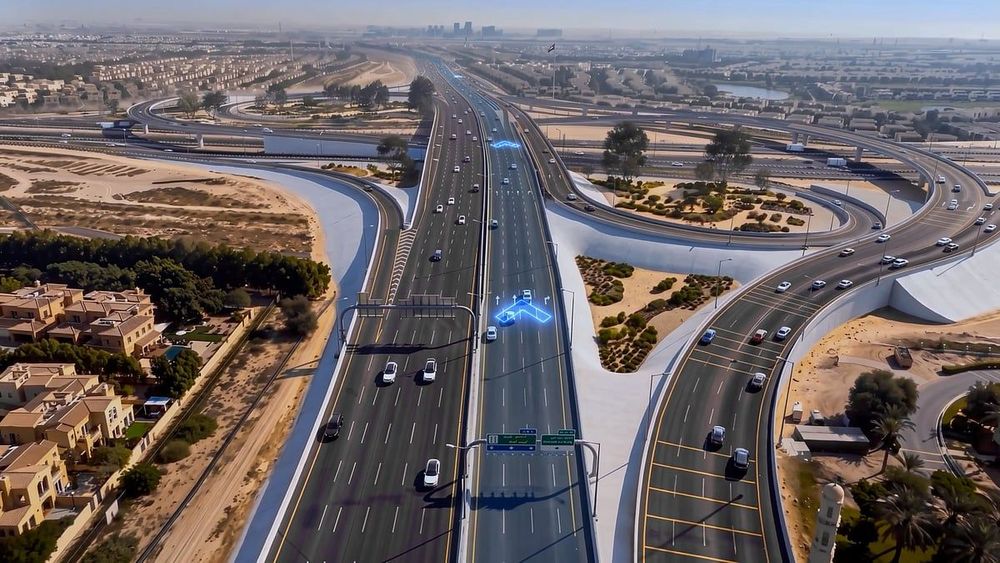
Dubai opens new bridge cutting Al Qudra intersection wait times by 85%
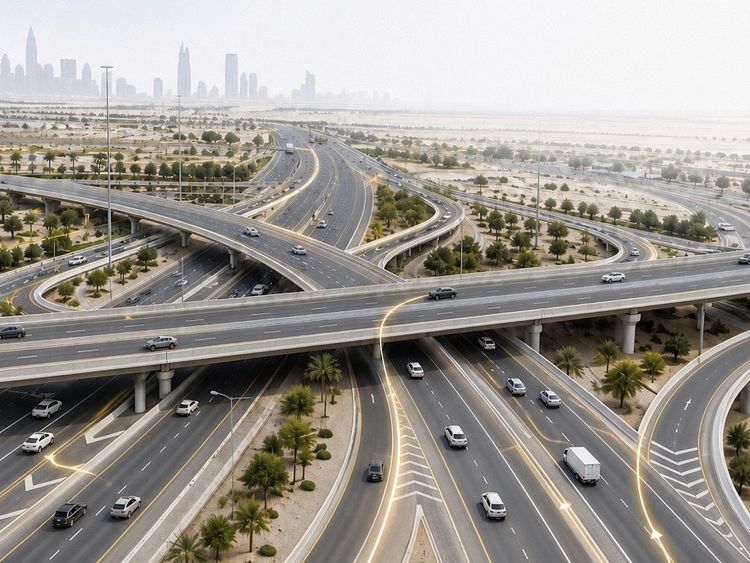
Dubai's Roads and Transport Authority opened a new four-lane bridge at the Al Qudra Road intersection with Sheikh Zayed bin Hamdan Al Nahyan Street on Sunday, delivering an 85 per cent reduction in waiting times as part of a AED 798 million infrastructure programme.
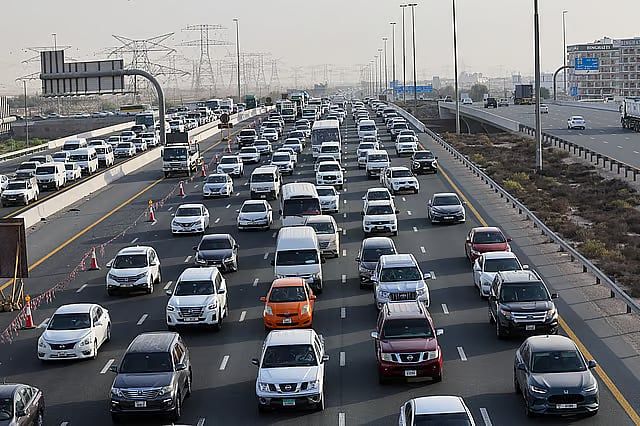
The 700-metre bridge handles up to 6,000 vehicles per hour and forms part of wider upgrades that cut journey time along the Al Qudra Road corridor by approximately 70 per cent, from 9.4 minutes to 2.8 minutes. The intersection upgrade increases overall traffic capacity from 7,800 to 19,400 vehicles per hour and reduces waiting time from nearly seven minutes to just one minute.
Mattar Al Tayer, Director General and Chairman of the Board of Executive Directors of RTA, said the project responds to Dubai's rapid population growth, which reached 4.58 million by the end of 2025, an increase of approximately 332,000 people and a growth rate of 7.5 per cent.
The opening completes the main traffic configuration at the intersection following the February launch of the opposite bridge serving traffic from Al Qudra City towards Umm Suqeim. Additional ramp bridges will open in the fourth quarter of 2026, enabling free-flow movement in all directions without disrupting main carriageways.
Comprehensive infrastructure programme
The Al Qudra Road Development Project includes construction of bridges extending 2,700 metres in total and upgrading an 11.6-kilometre section of Al Qudra Road. The scheme forms part of RTA's broader infrastructure drive, which delivered 67 rapid traffic improvement projects across Dubai in 2025, achieving travel time reductions of up to 45 per cent in targeted areas and increasing road capacity by up to 33 per cent.
RTA is implementing more than 45 additional traffic improvement measures in 2026, with projected congestion reductions between 15 per cent and 30 per cent at targeted locations.
The upcoming ramps include a 500-metre bridge carrying traffic from Al Qudra Road towards Jebel Ali via Sheikh Zayed bin Hamdan Al Nahyan Street, and a 900-metre bridge serving traffic heading towards Downtown Dubai and Dubai International Airport. The project also features three kilometres of service roads on both sides of Sheikh Zayed bin Hamdan Al Nahyan Street.
Strategic corridor upgrades
Al Qudra Road functions as a major east-west corridor linking several residential and development areas. The project extends from the intersection with Sheikh Mohammed bin Zayed Road to Emirates Road, passing through the 25-kilometre Sheikh Zayed bin Hamdan Al Nahyan Street corridor, which connects Dubai-Al Ain Road to Yalayis Road in Jebel Ali.
The improvements serve more than 400,000 residents and visitors in communities including Arabian Ranches 1 and 2, Dubai Motor City, Dubai Studio City, Akoya, Mudon, DAMAC Hills, The Sustainable City, Town Square, Mira and DAMAC Hills 2.
Al Tayer said the upgrades align with the Dubai 2040 Urban Master Plan, the seventh development plan for the emirate since 1960. The plan targets having 55 per cent of Dubai's population living within 800 metres of main public transport stations, up from current levels of approximately 40 per cent.
The project is expected to improve traffic efficiency at key intersections, facilitate smoother movement between Emirates Road and Al Qudra City, reduce congestion and enhance road safety while supporting continued residential and economic development in the corridor.
Further improvements on the opposite side of the intersection are scheduled to open this month, including another free-flow ramp for motorists travelling from Jebel Ali via Emirates Road towards Umm Suqeim through Al Qudra Road.
RTA is also constructing a new 4.8-kilometre road through the southern part of the development zone and widening both sides of Emirates Road over a combined 4.8 kilometres to strengthen connections with surrounding residential projects.