Bad driving habits, not just volume, causing UAE school-run gridlock
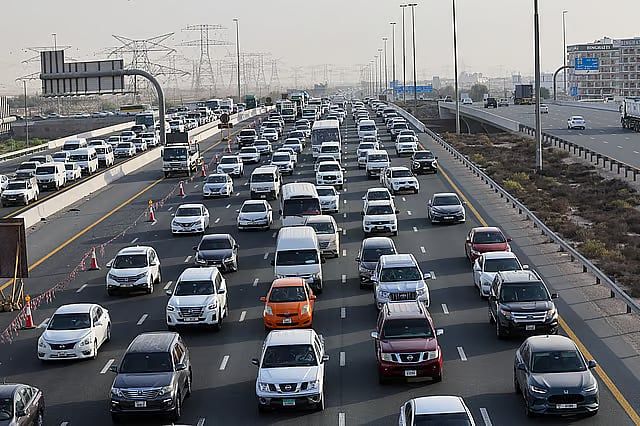
Traffic experts warn that everyday behaviours like last-minute lane changes, double-parking and distracted driving are making school-run congestion worse across the UAE as more than 1.27 million students return to classrooms.
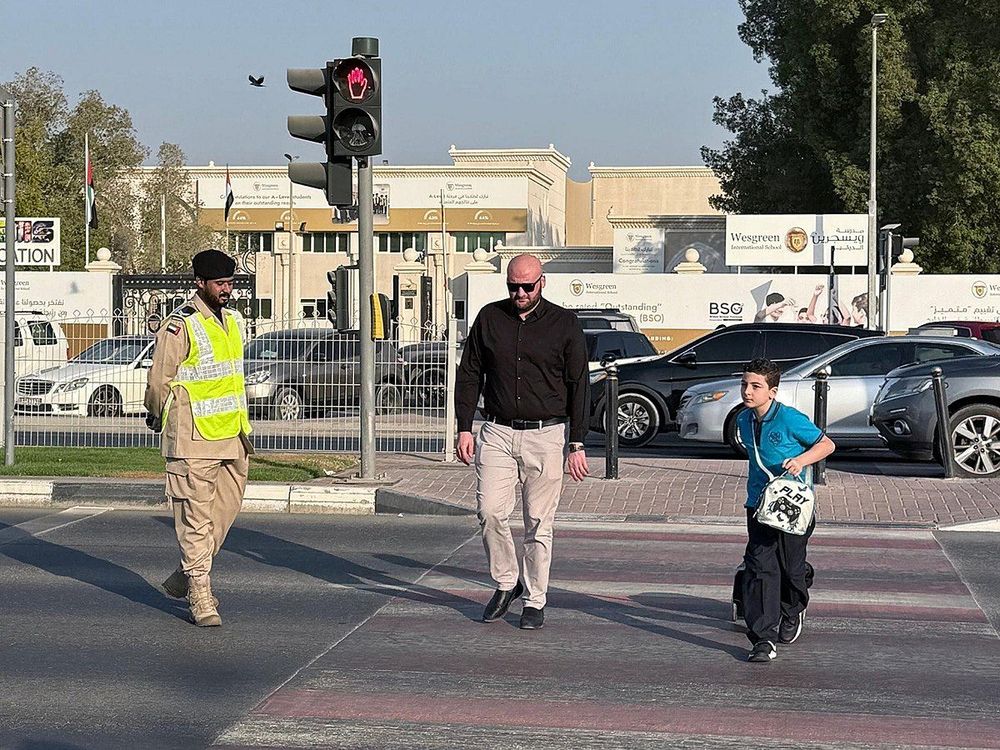
UAE school traffic is back — but experts say it's not just the number of cars causing the jams
UAE roads are experiencing significantly heavier congestion since schools reopened for the 2026-2027 academic year, with over 1.27 million students enrolled across more than 1,180 public and private schools nationwide, including 26,700 new students joining the education system. In Dubai alone, private school enrollment reached 387,441 students across 227 schools in 2024-25, marking a 6 per cent increase in just one year.
While approximately 47 per cent of students travel to school by private vehicle according to RTA data, traffic experts say the real problem is not simply the number of cars on the road. Instead, specific driving behaviours during peak hours are creating bottlenecks and amplifying delays, particularly around school zones during morning drop-offs and afternoon pick-ups.
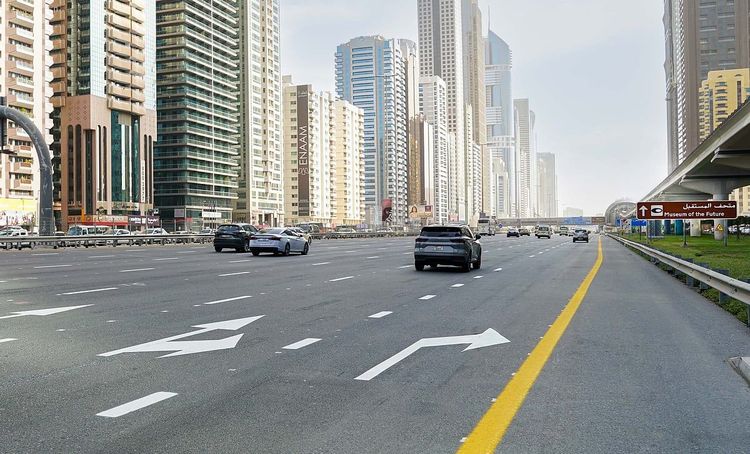
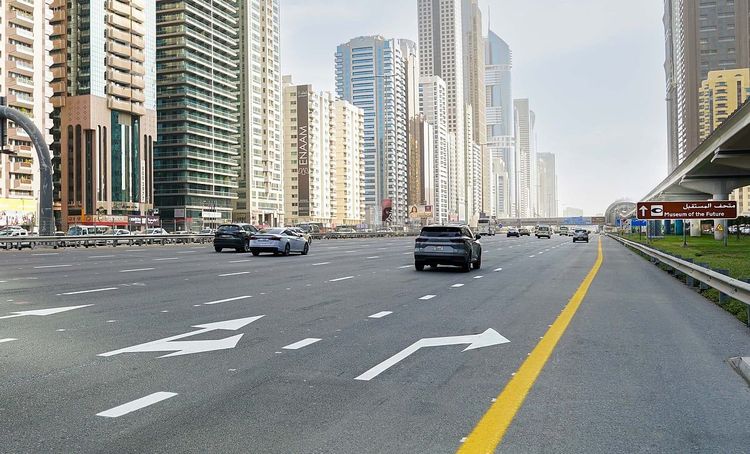
Dubai's morning rush typically runs from 7:00 AM to 9:30 AM, with evening congestion from 5:00 PM to 7:30 PM on weekdays. Sheikh Zayed Road alone carries over 400,000 vehicles daily, a volume that becomes increasingly sensitive to driver behaviour during school-run periods.
Common mistakes that worsen congestion
Dr Suzanne Accetta, CEO of First Driving Centre, identified several everyday habits that disrupt traffic flow during school runs. Sudden lane changes, last-minute merging, unnecessary braking, mobile phone use while driving, blocking junctions, and stopping or double-parking near school entrances can quickly create cascading delays.
Motorists attempting to save a few minutes by frequently changing lanes or pushing into queues rarely achieve meaningful time savings, Accetta explained. In heavy traffic, these actions instead create a ripple effect of braking that slows everyone behind.
An RTA survey of over 20,000 parents conducted during the 2025-2026 school year found that 91 per cent use designated student drop-off and pick-up areas in school zones, while 71 per cent report full awareness of related traffic rules. However, even small infractions by the remaining motorists can have outsized impacts on traffic flow.
Jaber Al Harbi, Managing Director of Bin Yaber Driving Institute, highlighted that the most congestion-causing behaviours are often not dramatic manoeuvres but small habits drivers may not realize are problematic. Stopping inside a yellow box junction blocks the entire intersection when the light changes, creating gridlock near schools during morning hours. Double-parking for a quick drop-off forces moving traffic into a single lane, creating a bottleneck that can take 10 minutes to clear after one car leaves.
Traffic-light behaviour adds hidden delays
Al Harbi also pointed to two common issues at traffic signals. Leaving three or four car-lengths of empty space in a queue means fewer cars clear the junction on each green phase, extending wait times for everyone behind. Similarly, a driver who looks down at their phone for two seconds at a green light delays every car in the queue. Multiplied across a dozen lights on a school-run route, these brief distractions add meaningful minutes to everyone's journey.
The science of phantom traffic jams
Not every traffic jam stems from an accident, roadworks or sheer vehicle volume. Even when motorists follow the rules, traffic can slow or stop without any visible cause, a phenomenon known as phantom traffic.
Thomas Edelmann, Founder and Managing Director of RoadSafetyUAE, explained that phantom jams occur when vehicles reach a certain density threshold. Research shows these jams form when cars are generally less than 35 meters apart, a density where minor disturbances can trigger chain reactions of braking even when traffic could otherwise flow smoothly.
A 2008 study by Japanese researchers Yuki Sugiyama and colleagues involved 22 cars driving in a loop on a 230-meter circular track at 30 km/h. Despite ideal conditions with no lane changes, signage or obstacles, a traffic jam formed within about a minute. The research team found that it only takes one driver going slightly too slow, or becoming nervous about following distance and tapping the brakes, to set off a chain reaction. That small change ripples through the line, with each driver braking slightly harder until those at the back are forced to slow to a near-stop or stop completely.
Infrastructure improvements underway
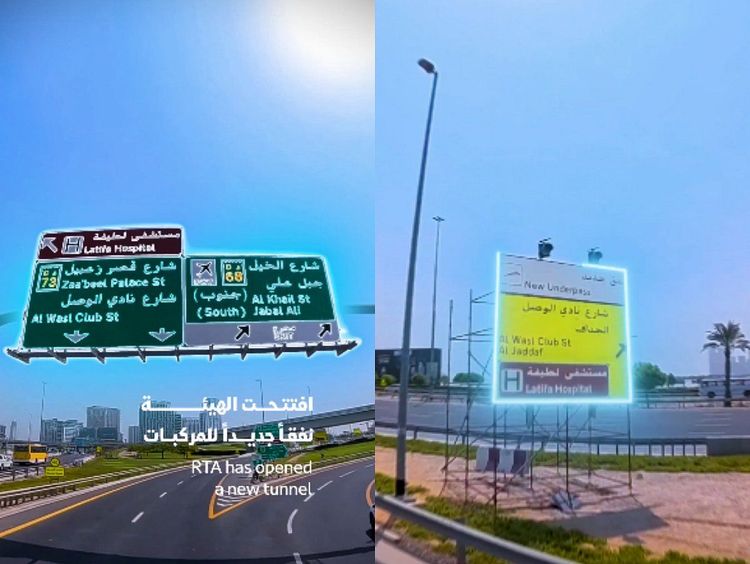
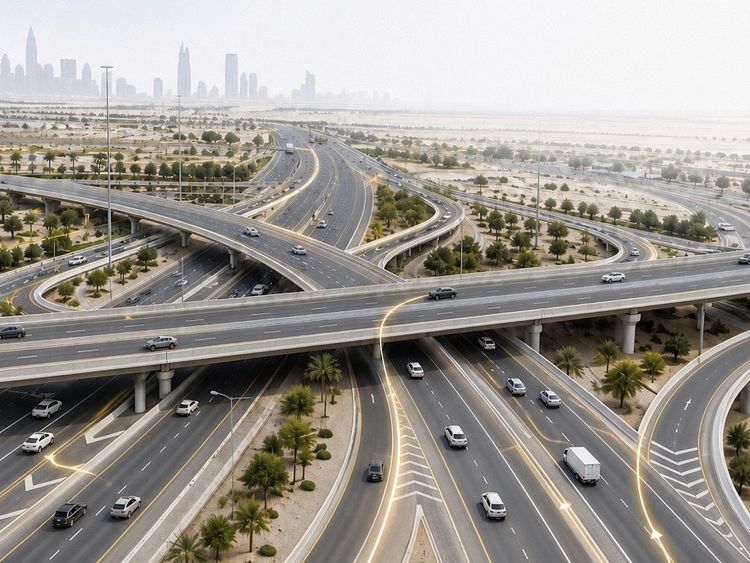
Dubai's Roads and Transport Authority has taken proactive steps to address school-zone congestion. The RTA completed 67 rapid traffic improvements in 2025 across Dubai, including works near more than 30 schools, resulting in journey-time reductions of up to 45 per cent in some upgraded areas.
During summer 2026, the RTA completed additional traffic improvements at six school-zone locations, benefiting more than 10 schools across Dubai. These improvements, carried out during the summer break to minimize disruption, included road widening, additional parking spaces and safety measures around school entrances and exits.
Despite improved safety measures and awareness helping Dubai record zero traffic fatalities at school sites since 2010, congestion management remains an ongoing challenge.
What parents should remember
Edelmann emphasized that parents should allow extra time for school journeys, even when distances are short. A journey that would normally take 20 minutes may require leaving 40 to 45 minutes earlier because of traffic. Parents must focus on multiple elements simultaneously during school runs: students crossing roads, buses stopping, and children in the car. Any irritated or aggressive behaviour can impact both children and driving quality.
Children mirror adult behaviour behind the wheel, Edelmann noted. When parents understand their children are watching and learning from their driving, it encourages calmer, more patient behaviour on the road.
Accetta stressed that drivers should plan journeys with additional time, maintain safe distances, follow designated drop-off areas, avoid blocking access points and remain alert for children, school buses and pedestrians. Good driving is not simply about controlling a vehicle but understanding how individual decisions affect everyone else on the road. Small improvements in driver behaviour, when adopted collectively, can make the school run safer, smoother and less stressful for the entire community.
Traffic penalties for school zones
UAE traffic regulations carry strict penalties for violations around schools. Children under four must use an approved child seat, and children under 10 or shorter than 145cm cannot sit in the front passenger seat. Violating either rule carries a Dh400 fine. Drivers must also ensure all passengers wear seatbelts.
Stopping on a pedestrian crossing or double-parking carries a Dh500 fine, while blocking pedestrian movement incurs a Dh400 fine. Using a mobile phone while driving carries a Dh800 fine and four black points. Other distractions, such as turning to speak to a child, adjusting the radio or reaching for something, carry the same penalty.
Failing to stop when a school bus driver opens the stop lever when dropping off or boarding students carries a fine of Dh1,000 and 10 traffic points under UAE Traffic Law. Fines for exceeding posted school-zone speed limits range from Dh300 to Dh3,000, depending on the offense.
Under RTA regulations, a licensed female bus supervisor must be present on every school bus carrying students under 11 years of age. The supervisor must hold a valid RTA Bus Supervisor Card, which requires separate certification from the driving license.