Pentagon prepares military for potential renewed strikes on Iran
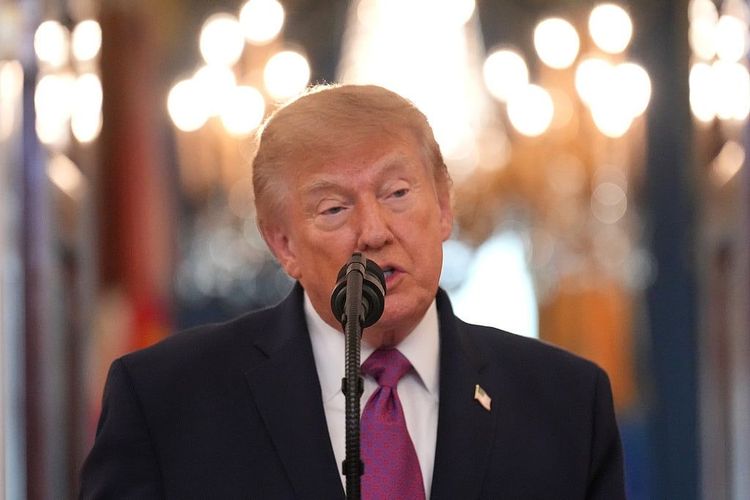
US President Donald Trump has not made a final decision on resuming major combat operations against Iran, but military preparations are underway ahead of upcoming elections, according to US officials.
 Sara Khan
Pentagon prepares military for potential renewed strikes on Iran
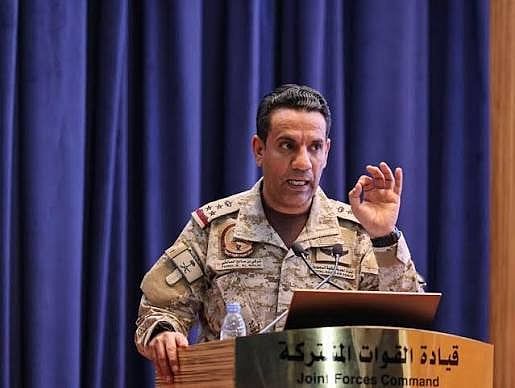
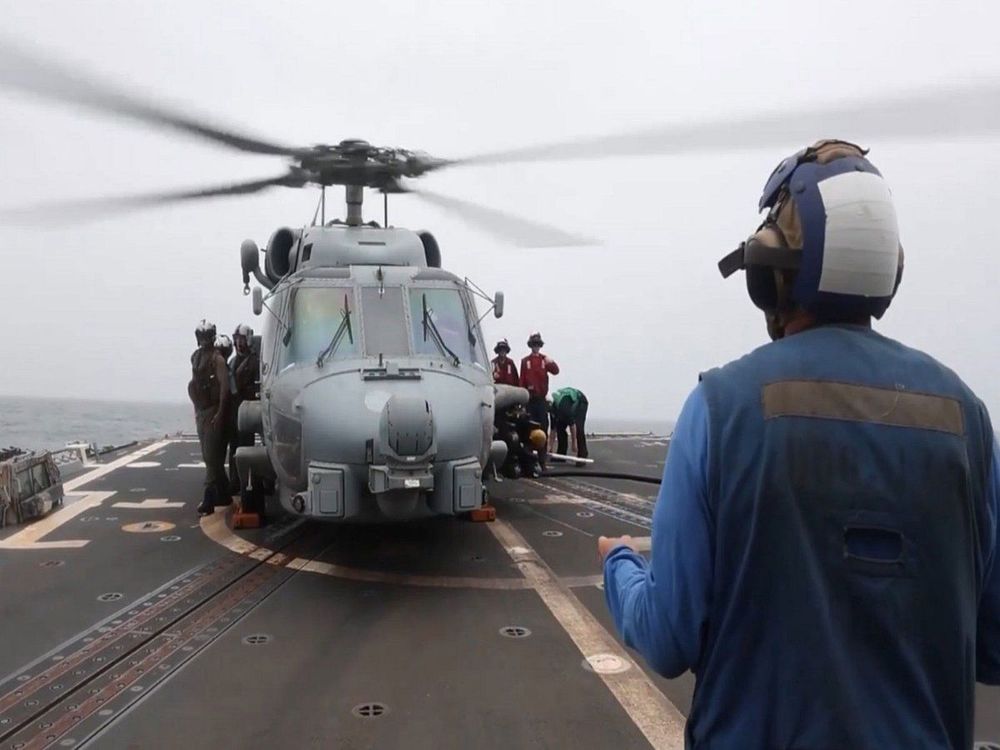
The Pentagon has instructed US Central Command to conclude preparations for resuming major combat operations in Iran, though President Donald Trump has not made a final decision on launching new strikes, according to US officials cited by Axios.
The directive to US Central Command—the military entity headquartered at MacDill Air Force Base in Tampa, Florida, that oversees operations across 21 countries in the Middle East including Iran—was issued several days ago but did not specify a launch date for potential strikes.
US and Israeli officials told Axios that renewed combat operations could occur before the US midterm elections on November 3, when all 435 House seats and 35 Senate seats will be contested, and possibly ahead of Israeli elections expected a week earlier.
If major combat operations resume, they are expected to include extensive strikes on Iranian energy, infrastructure, and nuclear targets, sources told Axios.
A Pentagon official said the Department's role is to develop and present military options to the President, while a White House official emphasized that Trump has all options available at any time.
"The U.S. is in a very strong position with control of the Strait of Hormuz and the Iranian economy collapsing. Iran has been decimated, and things will go one of two ways: the easy way or the hard way. President Trump holds all the cards and will do whatever is best for the United States."
Camp David discussions and diplomatic stalemate
Trump's national security team met at Camp David on Friday for several hours to discuss the conflict and other issues. An Israeli official said part of the meeting focused on a possible resumption of major combat operations in Iran.
Secretary of State Marco Rubio, who also serves as National Security Advisor, said after the meeting that it focused on "long-term" foreign policy planning.
Negotiations between the US and Iran have made no progress, according to Axios. Qatari mediators, who have a history of facilitating US-Iran communications including a prisoner exchange in September 2023, are still waiting for an Iranian response to a US counterproposal that included demands for nuclear concessions.
"The discussion about possible resumption of major combat operations in Iran has increased. The chances of it happening before the elections is not high but we don't rule it out. After the midterms the chances of it happening increase significantly."
Trump-Netanyahu communications
On Wednesday, Trump spoke with Israeli Prime Minister Benjamin Netanyahu, marking their second call in a few days after weeks of minimal contact. A US official said the leaders discussed "remembrance and respect for the victims of the October 7 massacre."
The call followed a meeting Netanyahu held with his national security team on Iran. Netanyahu also spoke with Rubio on Monday.
If major combat operations resume, they are likely to involve the US and Israel working in tandem, with the Israeli military participating, according to the report.
The two Israeli officials said the Iranian regime is desperate and paranoid, which could lead Tehran to strike first. They noted Iran has suffered two surprise attacks and does not want to experience a third.
A renewed conflict could also affect Israeli elections, as Iran would likely fire hundreds of ballistic missiles at Israel in retaliation.
Trump's statements on Strait of Hormuz control
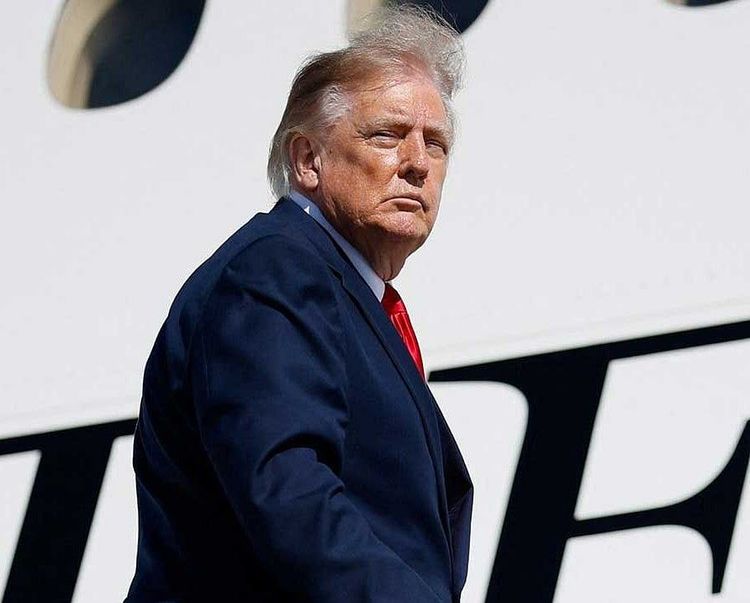
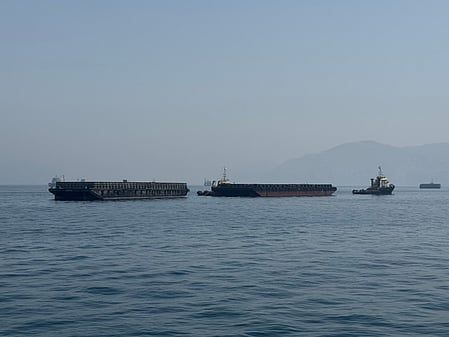
Trump on Tuesday reiterated his claims about US control over maritime traffic through the Strait of Hormuz, a waterway that normally handles approximately 20-21 million barrels of oil per day, representing about 25% of global seaborne oil trade.
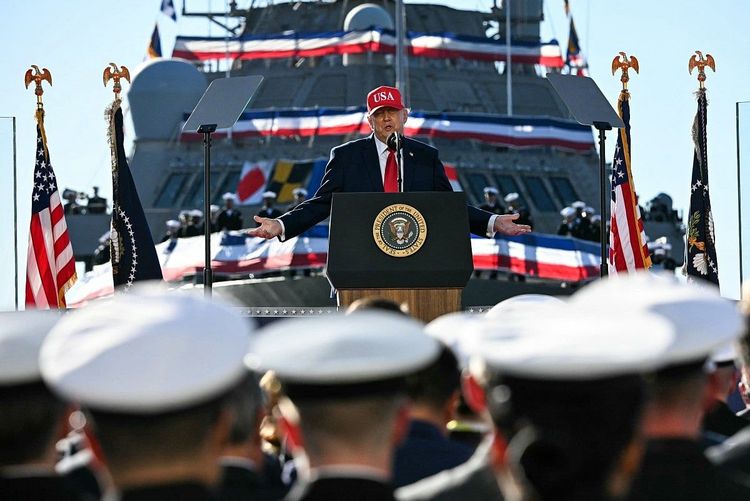
Speaking at Sparrows Point in Maryland, where he announced construction of a new shipyard, Trump described the US naval presence in the region as an effective blockade against Iran.
"Nobody's ever seen a blockade like that, with no ships—zero—getting in."
Trump added that oil shipments from outside Iran had recovered to levels "almost higher than they've ever been."
Trump described how vessels attempting to pass through the waterway were being intercepted.
"Every once in a while, they'll do a run, and they'll either hit the cabin—if it's got oil, they'll hit the cabin, or they'll hit the rudder. If it doesn't have oil, we just sink the ship."
"In other words, the Hormuz Strait belongs to the United States Navy and the United States of America. That's where it belongs, and that's where it is right now."
During the same event, Trump claimed Iran's military had been severely weakened.
"We're doing extremely well in the Islamic Republic of Iran, very well. They have no military. It's shot; the whole place is shot. And they were the evil one. They were the bully of the Middle East. They're not so much the bully anymore, but we have to finish up."
While departing Washington for a Republican campaign rally in San Antonio on Wednesday, Trump told reporters the war with Iran will end "very quickly" and claimed oil prices will "come tumbling down."
"It is a war from the standpoint of what we have to do. We have to get rid of the nuclear weapons for Iran. We have taken away their nuclear power. If they had nuclear power, you would have had problems like you have never had before."