Macron visits Riyadh in show of support amid Houthi attacks
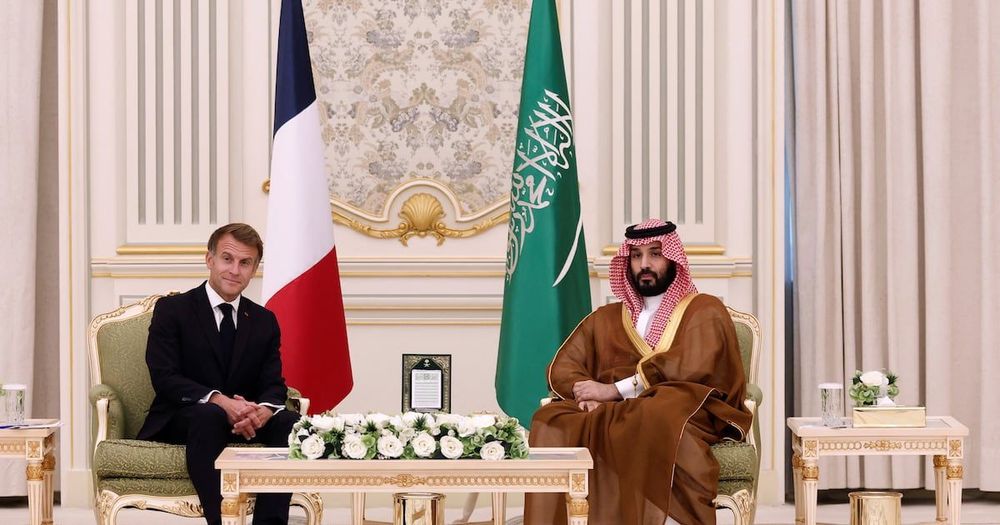
French President Emmanuel Macron made a surprise stop in Riyadh on Wednesday, October 21, meeting Saudi Crown Prince Mohammed bin Salman as the kingdom faced intensified Houthi attacks. His office said the visit combined support for Saudi Arabia with efforts to secure and diversify hydrocarbon supplies.
 Omar Al Nuaimi
Saudi stop adds to energy-focused Gulf tour
Macron became the first Western leader to visit Saudi Arabia since Yemen's Iran-backed Houthis stepped up their attacks this month. The unannounced visit followed stops in Kuwait, the UAE, Bahrain and Qatar during his three-day Gulf tour.
According to the Saudi Press Agency, Riyadh Deputy Governor Prince Mohammed bin Abdulrahman bin Abdula and French Ambassador Patrick Maisonnave welcomed him at King Khalid International Airport, which has been repeatedly targeted by the Houthis.
The October 19-21 tour sought additional diesel and gasoline supplies for France to help ease fuel prices, according to RFI. Senior executives from TotalEnergies and Engie traveled with Macron.
The president left France despite nationwide rioting and looting over poor school conditions and rising prices. His office had raised the possibility of canceling the trip on Sunday, October 18, but he confirmed his departure in a televised address that evening.
French Foreign Minister Jean-Noël Barrot preceded Macron in Riyadh, traveling there on October 18 to meet Saudi Foreign Minister Faisal bin Farhan. Barrot reaffirmed French solidarity and support for defending Saudi territory. He was also expected to visit a French woman injured in the October 10 attack on Riyadh's airport.
French deployment preceded the visit
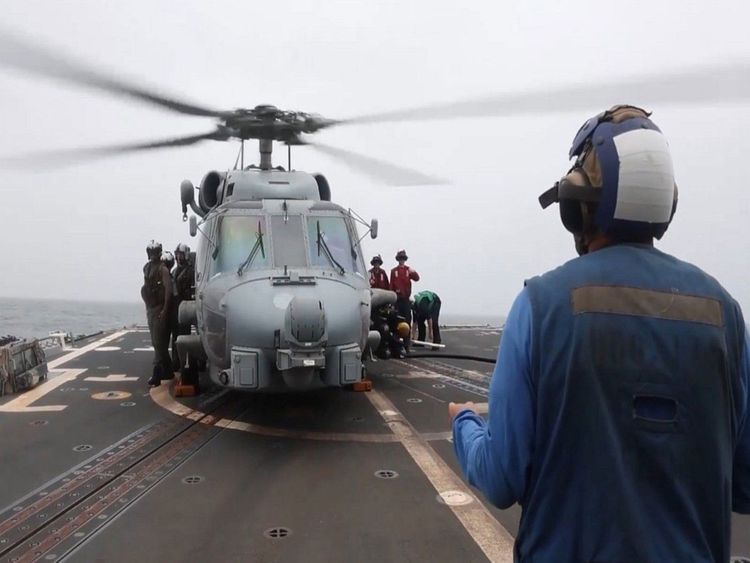
France had already deployed military support before Macron's arrival. On September 24, he announced that troops, radar units and defense systems were being sent to Saudi Arabia to counter repeated Houthi missile and drone attacks, according to AFP. Paris called the deployment "strictly defensive". Its purpose was to protect Yanbu, the kingdom's main crude oil export terminal on the Red Sea.
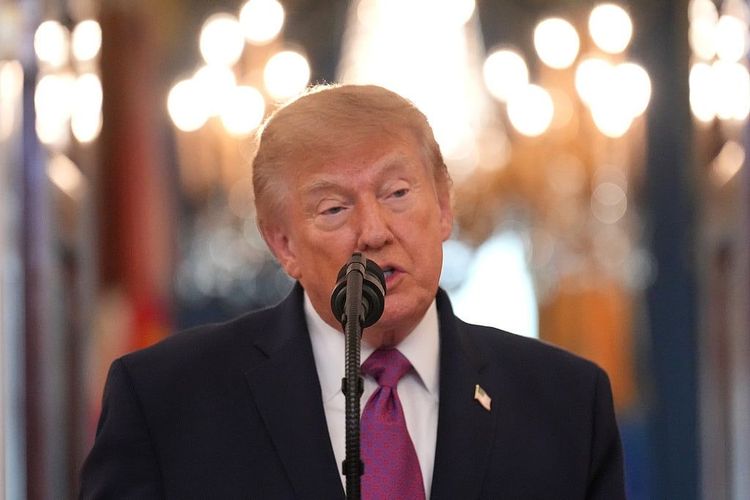
The United States, meanwhile, provided intelligence support rather than conducting strikes, according to House of Saud. Citing CNN's October 11 reporting, the account said more than 100 US military advisers had been sent to a new joint intelligence command. A proposed $24.3 billion sale of 48 F-35A fighters was awaiting congressional review.
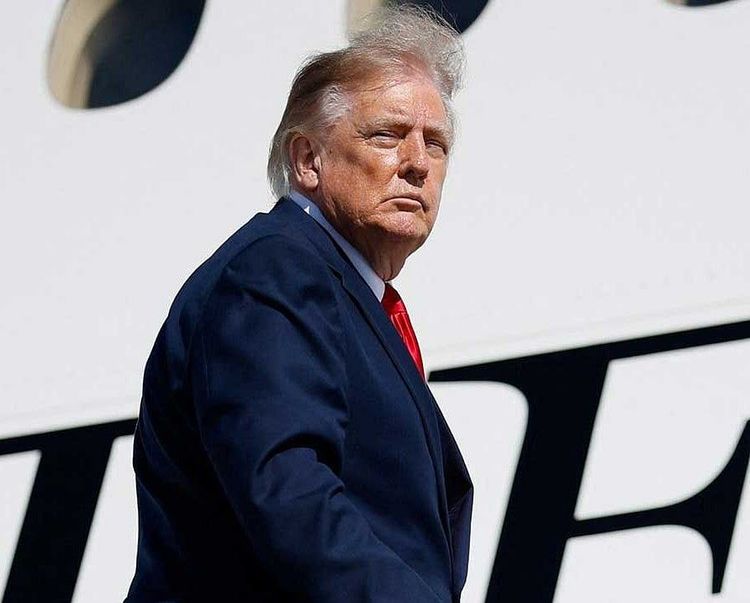
The same account said Crown Prince Mohammed bin Salman had twice asked President Trump in September to order direct US strikes against the Houthis. Both requests were declined.
Airport attacks kill 17 and disrupt travel
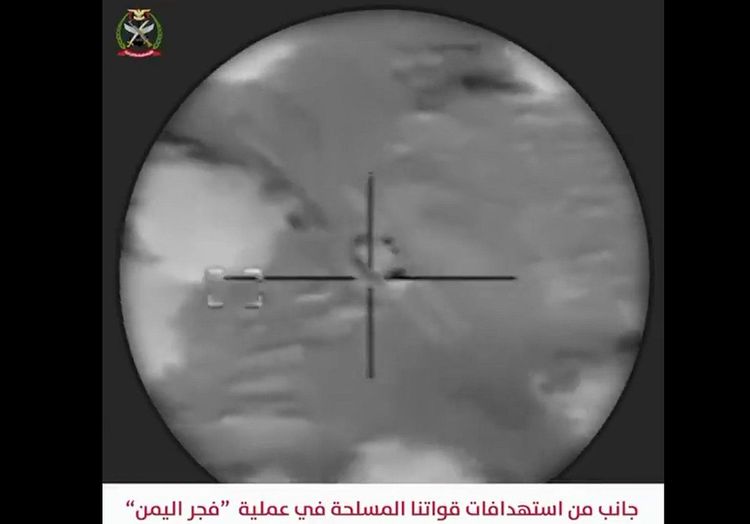
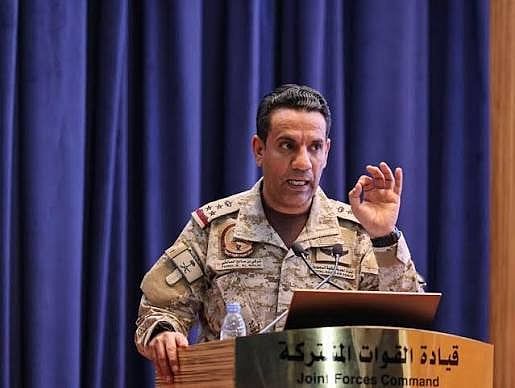
Riyadh has faced intense attacks as Yemen's fiercest fighting in years has extended into Saudi Arabia. On October 15, Saudi-led coalition spokesman Maj. Gen. Turki al-Maliki said the Houthis had attacked King Khalid International Airport 20 times between October 1 and 11. The attacks involved 10 drones, four ballistic missiles, four cruise missiles and two unidentified projectiles.
The reported airport death toll reached 17, with 333 people wounded. One person was killed and eight wounded on October 7; three were killed and five wounded on October 8; 12 were killed and 309 wounded on October 10; and one was killed and 11 wounded on October 11.
House of Saud reported that the attacks forced the airport, which served 25 million passengers in 2025, into an indefinite closure. More than 3,100 flights were canceled from October 8 through 14. Airlines suspended or limited services, including Lufthansa Group through October 16 and KLM and Air France-KLM through October 31.
Houthi military spokesman Yahya Saree described the airport attacks as "deterrence operations" and said they "will continue in the coming days, targeting Saudi enemy airports and oil facilities". On October 12, Houthi political bureau member Mohammed al-Bukhaiti warned employees and workers to stay away from Saudi airports and oil facilities, saying those sites had become legitimate targets.
Summit and sporting events postponed
The attacks also forced changes to Riyadh's fall events calendar. GCC Secretary-General Jasem Albudaiwi announced on October 15 that the EU-GCC summit scheduled for October 24 in the capital had been postponed indefinitely, citing "the safety of participating delegations".
Organizers of the Future Investment Initiative, known as "Davos in the desert", said the October 26-29 conference would go ahead with both in-person and virtual participation. They also offered alternative land routes through Bahrain and Qatar. The Six Kings Slam tennis tournament was pushed back to late December, while the Saudi football league postponed three fixtures.
Escalation follows collapse of Yemen truce
Saudi Arabia entered Yemen's civil war in 2015 to support the government after the Houthis captured Sanaa. The kingdom feared growing Iranian influence and instability along its border.
A UN-brokered truce in 2022 sustained a fragile peace until this year. House of Saud, citing the BBC, reported that it collapsed in July 2026. The Houthis subsequently broadened their targets from southern Saudi cities, including Khamis Mushait, Abha and Jazan, to the main civilian airport in Riyadh.
Saudi Arabia resumed its military campaign in support of Yemen's internationally recognized government after the Houthis made rapid gains in September. The renewed campaign sought to reverse their advance along the Red Sea coast to the strategically important Bab Al Mandeb strait.