Trump predicts swift end to Iran conflict, promises falling oil prices
US President Donald Trump says the war with Iran will conclude quickly and oil prices will drop significantly, while Vice President JD Vance demands concrete cuts to Iran's uranium enrichment before halting military action.
 Sara Khan
Trump predicts swift end to Iran conflict, promises falling oil prices
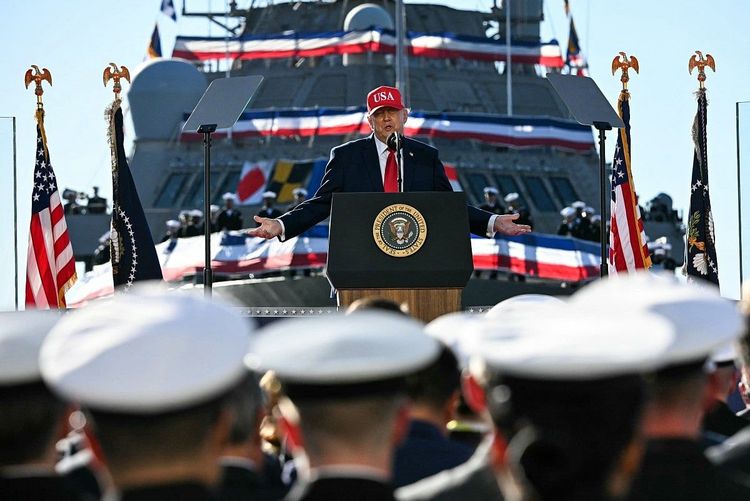
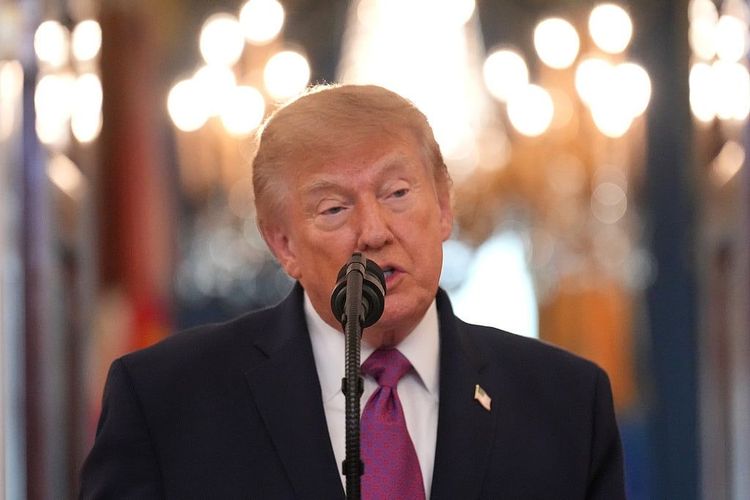
US President Donald Trump declared Wednesday that the military conflict with Iran will end quickly and oil prices will fall sharply, asserting that Washington has successfully eliminated Tehran's nuclear weapons capabilities.
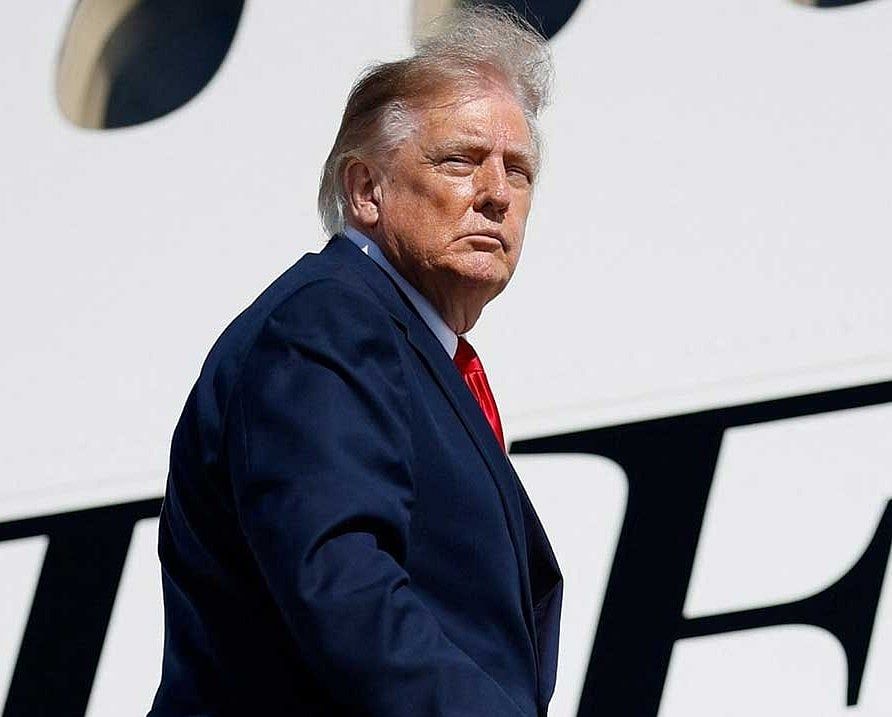
Speaking to reporters before departing for a Republican campaign rally in San Antonio, Trump said the country's nuclear infrastructure has been dismantled. Before the conflict began, Iran held approximately 440.9 kilograms of uranium enriched to 60% purity, according to International Atomic Energy Agency estimates from June 2025. This stockpile could theoretically provide material for around 10 nuclear weapons if further enriched to the 90% weapons-grade threshold.
Trump's administration withdrew from the 2015 Joint Comprehensive Plan of Action nuclear deal, which had capped Iranian enrichment at 3.67% purity and limited stockpiles to 300 kilograms for 15 years. Iran began exceeding these limits after the US exit from the agreement in 2018. No other nation without nuclear weapons has enriched uranium to 60% purity, making Iran's nuclear program unprecedented among non-nuclear states.
Most of Iran's uranium enrichment facilities at Natanz, Fordow, and Isfahan were destroyed or severely damaged by US and Israeli air strikes in June 2025. Iran is not currently known to be actively enriching uranium.
"Their whole country right now is wiped out. It will be over very quickly, and when it does, oil prices will come tumbling down," Trump told reporters.
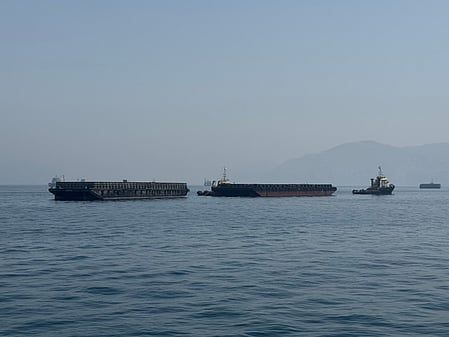
The conflict has centered on the Strait of Hormuz, a critical waterway only 21-22 nautical miles wide at its narrowest point. The strait carries approximately 20 million barrels of oil daily, representing roughly 25% of global seaborne oil trade and about 20% of world oil consumption. There are no geographically viable alternative routes for oil exports from Persian Gulf countries.
Iranian officials reject US claims
Iranian government spokesperson Fatemeh Mohajerani dismissed Trump's assertion that Iran's oil minister resigned due to pressure from the conflict, calling it "a futile effort to hide his own failures." Mohajerani said the resignation was not a sign of weakness but demonstrated flexibility within a stable political system.
Iranian Foreign Minister Abbas Araghchi said Tehran remains determined to defend itself while pursuing diplomatic solutions to protect national interests and security.
Peace negotiations stall over enrichment demands
Iran's delegation to the United Nations General Assembly in New York presented a seven-day peace plan to reopen the Strait of Hormuz late last month. Trump rejected the proposal within a day, and US officials issued counterproposals seeking to revive negotiations.
Vice President JD Vance made clear that Tehran must implement significant reductions in nuclear enrichment capacity before Washington agrees to end the seven-month conflict. Uranium enriched to 90% or higher is considered weapons-grade. While Iran's 60% enrichment level falls below this threshold, the material can be enriched to weapons-grade within days to weeks if operational facilities are available.
"If you don't want a nuclear weapon, then why do you need 60% enriched fuel?" Vance told Reuters. "If you want to show commitment to not building a nuclear weapon, don't build highly enriched fuel. That's a very basic threshold issue."
Vance emphasized that verbal commitments alone would not suffice. "We're not going to trade words for actions," he said, adding that concrete steps on enrichment capacity must precede any settlement.
The prolonged conflict has disrupted energy markets and created political pressure on the Trump administration as rising fuel prices become a sensitive issue ahead of November midterm elections.
Questions over Iranian decision-making
Vance said Washington lacks clarity on who holds ultimate authority in Tehran's political system. Although US officials have engaged Iranian President Masoud Pezeshkian and Foreign Minister Abbas Araghchi, Vance questioned whether they possess genuine decision-making power.
In Iran's political structure, Supreme Leader Ayatollah Ali Khamenei holds ultimate authority over all major foreign policy and national security decisions, with the president and elected officials having limited influence on such matters.
"One of the things we picked up on is it's not totally clear how their country makes decisions," Vance said.
Iranian Foreign Ministry spokesman Esmaeil Baghaei rejected that characterization, saying American officials fully understand their Iranian counterparts and Tehran's decision-making processes. "The problem is actually the opposite; it lies in the contradictory positions and mixed messaging from US officials," Baghaei said.
Vance also reported consulting with US field commanders about the conflict and dismissed suggestions of critical munitions shortages. He assessed that Iranian forces retain capability to strike commercial vessels in the Strait of Hormuz but are largely unable to block energy shipments through the waterway.