Iran's IRGC reclassifies seized underwater drone as Mk 18 Kingfish amid US denial
Iran's Revolutionary Guard has revised its claim about a captured US underwater drone in the Strait of Hormuz, now identifying it as a Mk 18 Mod 2 Kingfish rather than the initially reported REMUS 600. US Central Command denies the seizure.
 Sara Khan
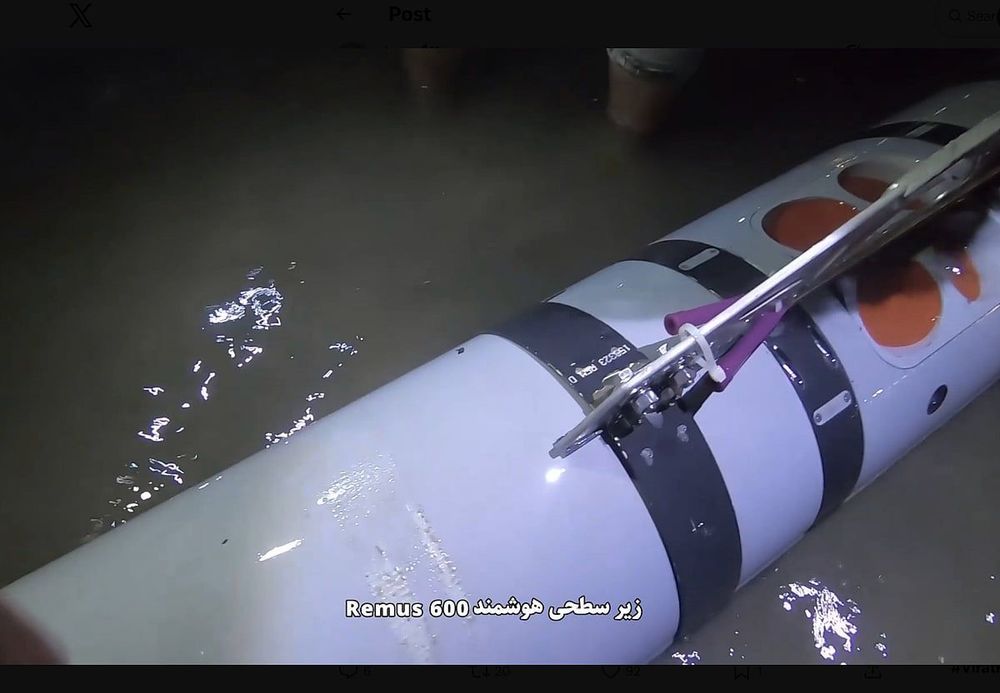
IRGC Updates Classification of Seized Drone
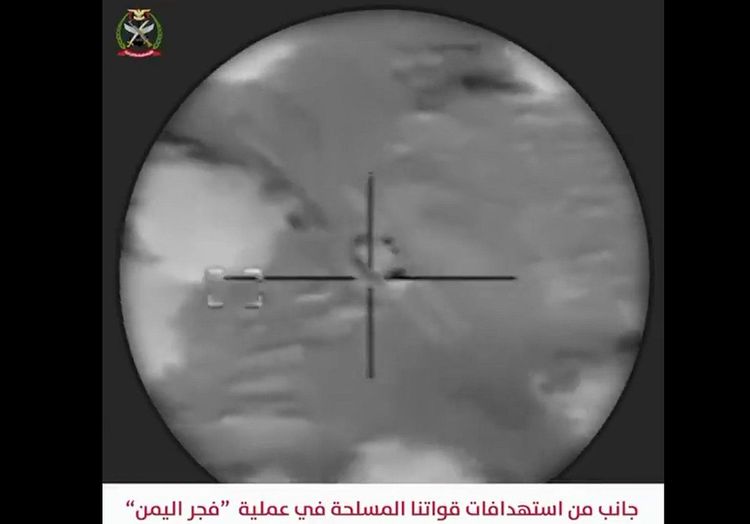
Iran's Islamic Revolutionary Guard Corps has updated its account of capturing an American underwater drone in the Strait of Hormuz, now identifying the seized platform as a Mk 18 Mod 2 Kingfish autonomous underwater vehicle rather than the REMUS 600 designation it reported initially.
IRGC spokesperson Second Brigadier General Hossein Mohebbi announced on Sunday that the naval force had intercepted the advanced unmanned system, describing it as equipped with sonar and precision navigation capabilities worth several million dollars.
"The Strait of Hormuz is not only open, but a hunting ground for the IRGC Navy targeting American submarines; the second catch has been reeled in, this time the Mk 18 Mod 2 Kingfish. It's not just a hunt; it's a trophy of technology and intelligence."
Technical Specifications of the Mk 18 Kingfish
The Mk 18 Mod 2 Kingfish is a US Navy derivative of the REMUS 600 platform, manufactured between 2012 and 2023, with over 90 units delivered to the fleet for mine countermeasure operations. The vehicle measures 12.75 inches in diameter and 11.5 feet in length, weighing 600 pounds, and is equipped with side-scan sonar, GPS, and inertial navigation systems designed for underwater surveillance and mine detection missions.
The technical specifications clarify why Iran may have initially used the REMUS 600 designation before switching to the military variant name, as the Mk 18 Mod 2 is built on the same commercial platform. The system can operate at depths up to 600 meters, travel at speeds up to 5 knots, and has an endurance of up to 70 hours at a cruising speed of 3 knots, with a range of 286 nautical miles.
Iran's Account of the Seizure
According to Iran's state broadcaster IRIB, the IRGC Navy executed what it described as a "coordinated and complex operation" using intelligence oversight and electronic warfare capabilities to capture the drone, which Iranian authorities alleged was conducting espionage missions in the strategic waterway.
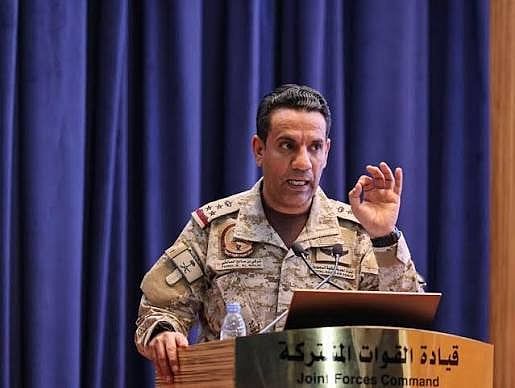
US Central Command spokesman Captain Tim Hawkins directly contradicted Iran's claim, stating that the United States retained "positive control of all of our operational drone assets" and describing Iran's announcement as "clearly desperate."
Pattern of Maritime Drone Incidents
The incident marks the second time in recent weeks that Iran has claimed to seize an American underwater drone. On September 8, the IRGC announced the capture of an Anduril Dive-LD autonomous underwater vehicle near the entrance to the Strait of Hormuz. US Navy officials stated at the time that the vehicle had malfunctioned and was recovered after being left "dead in the water," and that it was an older model carrying neither sensitive data nor classified equipment.
Iranian forces have a history of intercepting unmanned maritime systems in the region. In 2022, the Iranian military seized US Navy Saildrone Explorer surveillance drones on at least two occasions in the Arabian Gulf and Red Sea, though those platforms were later returned following US pressure.
Strategic Importance of the Strait of Hormuz
The Strait of Hormuz is one of the world's most strategic maritime chokepoints, measuring approximately 21 nautical miles wide at its narrowest point, with shipping lanes only 2 miles wide in each direction separated by a 2-mile buffer zone. Approximately 20 to 25 percent of the world's seaborne oil trade passes through the waterway, averaging 20 to 21 million barrels per day.
The shipping lanes are located primarily in Omani territorial waters and partially in Iranian waters, but are governed by international maritime law and the United Nations Convention on the Law of the Sea, which provides transit passage rights for vessels moving through straits used for international navigation.
The IRGC Navy reiterated its position that the Strait of Hormuz remains closed and warned it would continue taking "strong and relentless" action against what it characterized as unauthorized traffic through the strategic waterway. The statement handed the captured submersible over to specialist military technicians to analyze the system and recover stored data.
The REMUS 600 platform, from which the Mk 18 Mod 2 is derived, has been widely deployed internationally, with a total of 175 units delivered to customers in the United States, United Kingdom, Australia, and Japan, making it a standard system for underwater surveillance and mine countermeasure operations among US allies.