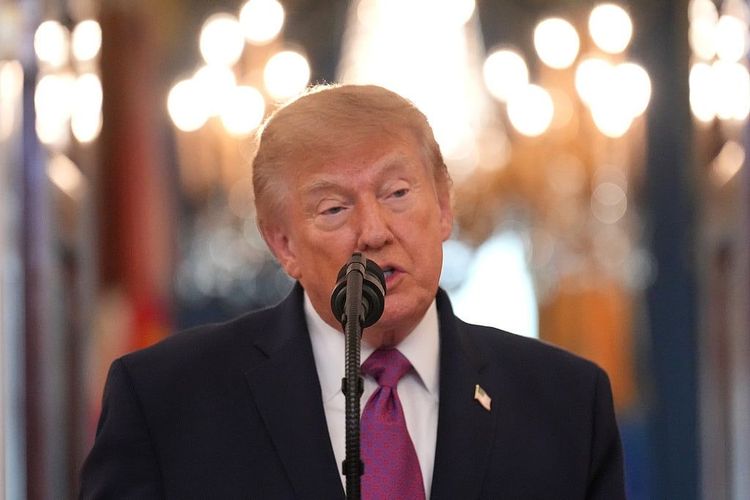
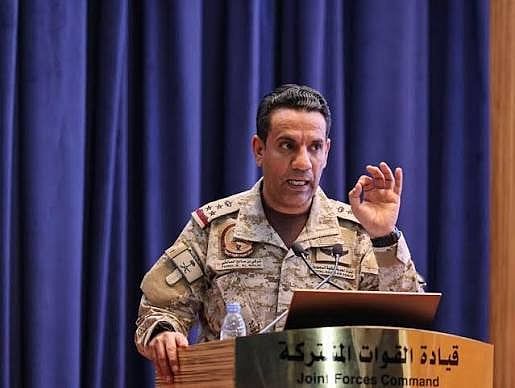
Trump keeps Iran strike option open as Tehran vows resistance while maintaining diplomatic channel
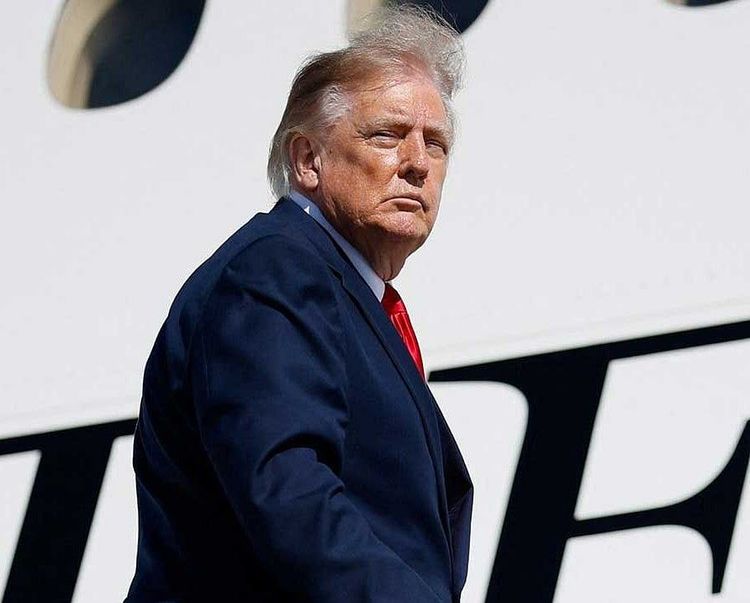
US President Donald Trump has warned that additional military action against Iran remains possible before November's midterm elections, while Iranian Foreign Minister Abbas Araghchi said Tehran was prepared for escalation but remained open to negotiations.
 Sara Khan
Trump keeps Iran strike option open as Tehran vows resistance while maintaining diplomatic channel
US President Donald Trump has signaled that further military strikes against Iran could occur before November's midterm elections, even as Tehran declared its readiness to resist renewed attacks while keeping diplomatic channels open through Qatari mediation.
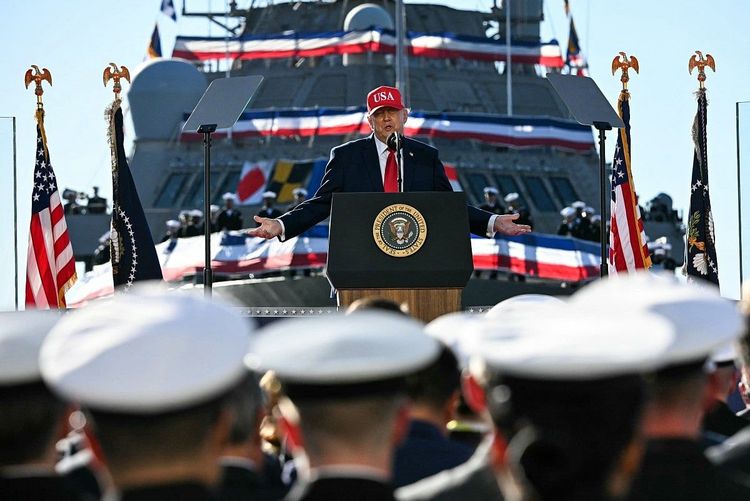
Speaking at the Presidents Cup at Medinah Country Club, Trump told Fox News that additional military action remained on the table, though he predicted the conflict would conclude soon. He declined to rule out strikes before the November elections but expressed confidence that falling oil prices would accompany a swift conclusion to hostilities. Preventing Iran from obtaining a nuclear weapon remained a central US objective, the president emphasized.
Iranian Foreign Minister Abbas Araghchi responded on NBC's Meet the Press, stating Tehran was prepared for what he termed a "doomsday war" if conflict resumed. However, he stressed that Iran remained open to diplomatic solutions, leaving negotiations with Trump as a viable path forward. Araghchi said Iran had adjusted its military tactics following previous rounds of fighting and was awaiting a formal US response to its proposal for ending the standoff.
Competing visions for resolving the Hormuz crisis
Under Iran's proposal, the Strait of Hormuz would reopen on the sixth day following agreed US steps, with negotiations on a final settlement beginning on the seventh day. The strait, which handles approximately 20-21 million barrels of oil per day representing about 20 percent of global oil consumption and 25 percent of all seaborne oil trade, has become the focal point of escalating tensions between Washington and Tehran.
US Ambassador to the United Nations Mike Waltz rejected Tehran's terms as a "cynical attempt" to secure sanctions relief, end the naval blockade and access billions in frozen assets. He said Washington lacked confidence in Iranian commitments following what the US characterized as violations of previous understandings, including attacks on international shipping.
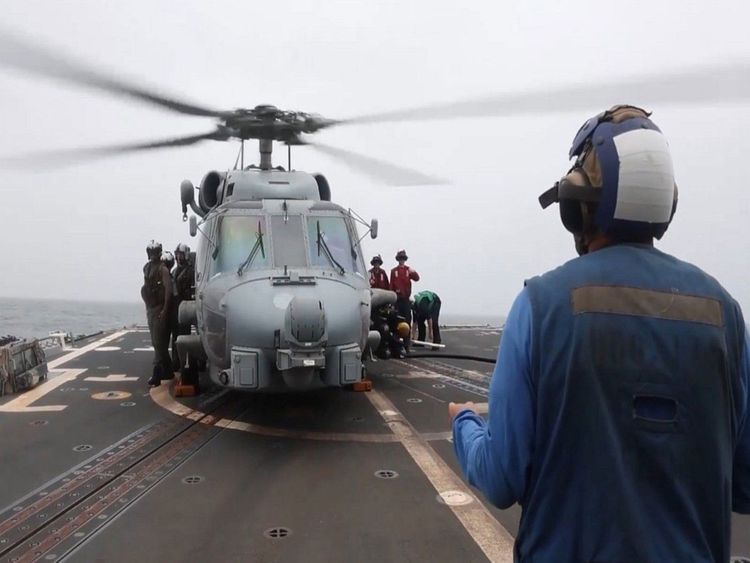
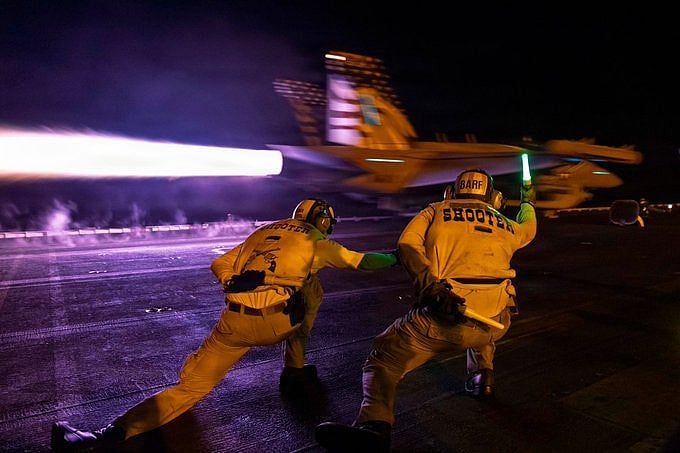
The US naval blockade, which began on April 13, 2026, targeting all maritime traffic entering and exiting Iranian ports, resumed a second phase on July 14 after an initial period through mid-June. As of September 25, US Central Command reported redirecting 122 commercial vessels as part of the operation.
Waltz insisted any agreement must address Iran's uranium enrichment capabilities and highly enriched stockpiles. Iran currently holds approximately 440.9 kilograms of uranium enriched to 60 percent purity, the highest level accumulated by any non-nuclear-weapon state under the Nuclear Non-Proliferation Treaty. Weapons-grade uranium requires enrichment to approximately 90 percent purity. Under the 2015 Joint Comprehensive Plan of Action, Iran had agreed to cap enrichment at 3.67 percent and stockpile no more than 202 kilograms, but the Trump administration withdrew from that agreement in 2018.
Conflicting accounts over shipping incidents
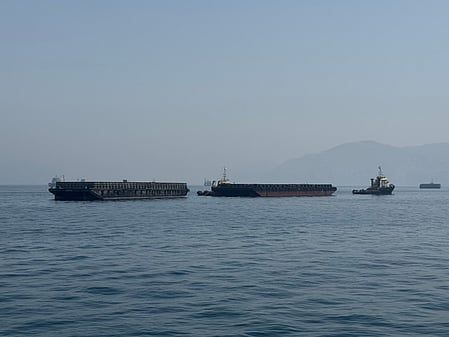
The Strait of Hormuz remained a flashpoint after Iran's Fars news agency, affiliated with the Islamic Revolutionary Guard Corps, reported that Iranian forces targeted 19 vessels over Friday and Saturday. According to the report, 12 vessels were targeted Friday night and seven more on Saturday after attempting to cross routes Tehran considers unauthorized. The claims, which have not been independently verified, did not specify whether vessels were damaged, detained or turned back.
US Energy Secretary Chris Wright offered a contrasting assessment, stating that oil flows through Hormuz averaged nearly 13 million barrels daily, with more than 20 million barrels moving through on one day last week. Approximately 82-89 percent of crude oil and condensate transiting the strait is destined for Asian markets, with China, India, Japan and South Korea as primary destinations. The waterway also handles about 20 percent of global liquefied natural gas trade, including 93 percent of Qatar's and 96 percent of the UAE's LNG exports.
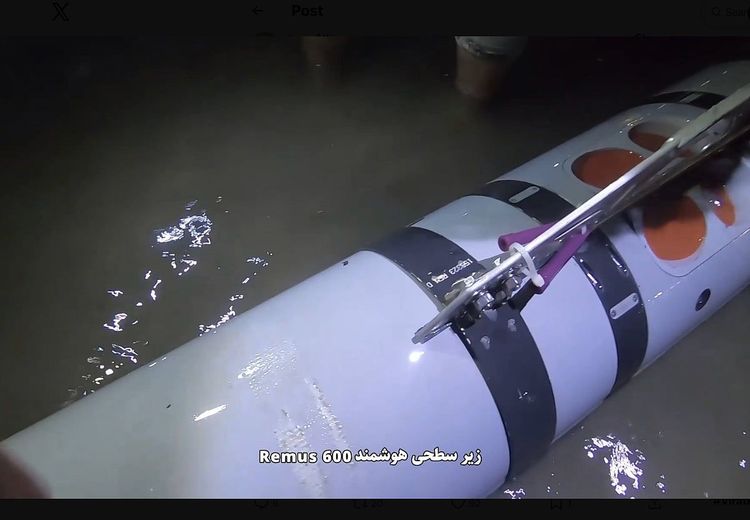
The IRGC announced its navy had seized a second US underwater vehicle in the Strait of Hormuz. Spokesman Hossein Mohebbi identified the device as an Mk 18 Mod 2 Kingfish autonomous underwater vehicle. The Kingfish is a US Navy unmanned system based on the REMUS 600 platform, designed for mine countermeasures, harbor security and intelligence operations, capable of diving to depths of nearly 2,000 feet and operating up to 24 hours on a single battery charge. Iran International reported the claim, though circumstances of the alleged seizure have not been independently verified.
International response and diplomatic efforts
Canada's Foreign Minister Anita Anand told the United Nations General Assembly on September 26 that Iran's threats to navigation rights in Hormuz represented a direct challenge to international law. She described Iran as a major threat to regional peace and security, insisting it must never acquire nuclear weapons. Canada announced additional sanctions on five Iranian individuals and five entities on September 23, citing alleged roles in repression and human rights violations.
Despite Trump's public rejection of Iran's proposal, diplomatic contacts have continued. Qatar has been serving as a key mediator between the United States and Iran throughout the 2026 conflict, facilitating indirect talks between the two countries. Qatar previously mediated the ceasefire that ended the Twelve-Day War in June 2025. Iran International reported that Trump expected further discussions during the week, with Qatar continuing its mediation efforts while Iran's delegation awaited Washington's response.
The central disagreement remains the sequencing of concessions. Tehran seeks relief from the US blockade and economic pressure in exchange for reopening Hormuz, while Washington demands assurances on Iran's nuclear program before easing restrictions. With both sides maintaining military options, the security of commercial shipping and the prospect of renewed strikes continue to pose risks for regional stability and global energy markets.