UAE Ministry of Interior issues safety alert as thunderstorms and heavy rain forecast through Friday
Authorities urge residents to stay indoors, avoid valleys and flood-prone areas as unstable weather brings rainfall of varying intensity to eastern and southern regions, with temperatures exceeding 50°C.
UAE Ministry of Interior issues safety alert as thunderstorms and heavy rain forecast through Friday
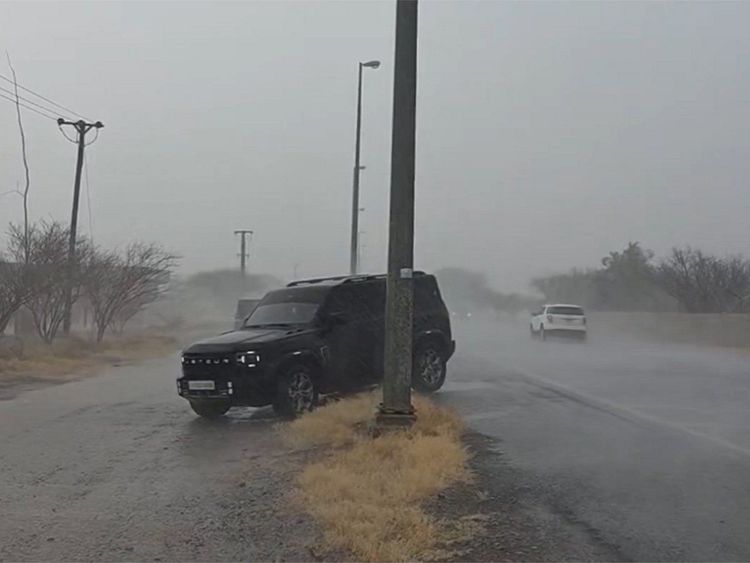
The Ministry of Interior has issued a comprehensive safety advisory as the UAE braces for several days of unstable weather conditions, with thunderstorms, heavy rainfall and strong winds forecast to affect parts of the country through Friday.
The National Centre of Meteorology has forecast the development of convective clouds over eastern and southern areas from Tuesday through Friday, particularly during afternoon hours, bringing rainfall of varying intensity. The unusual summer weather pattern is being driven by the northward movement of the Intertropical Convergence Zone, a low-pressure belt near the equator where trade winds converge to produce high cloudiness, frequent thunderstorms and heavy rainfall.
During the first half of August, parts of the UAE can be affected by this weather system, which enhances the development of rain-bearing clouds. The phenomenon is particularly significant in a country where annual precipitation generally falls below 100 millimeters across most areas, with average yearly rainfall ranging from about 14mm in central regions to around 172mm in the northeast.
Coordinated emergency response
The National Emergency Crisis and Disaster Management Authority is coordinating with the Ministry of Interior, NCM and other authorities to monitor the weather situation and implement proactive measures. Emergency Operations Centres have been activated in Abu Dhabi, Al Ain and Al Dhafra to ensure rapid response capabilities.
The safety advisory comes as temperatures in the UAE have exceeded 50°C during the current weather period, creating a stark contrast between extreme heat and wet weather occurring simultaneously. The NCM forecasts an average August temperature of 35.7°C for 2026.
Safety guidelines for residents
According to the ministry, residents should avoid leaving home unless necessary during periods of severe weather and stay away from valleys, flood-prone areas and rough seas. The advisory also warns against spreading unverified information or rumours about the weather conditions.
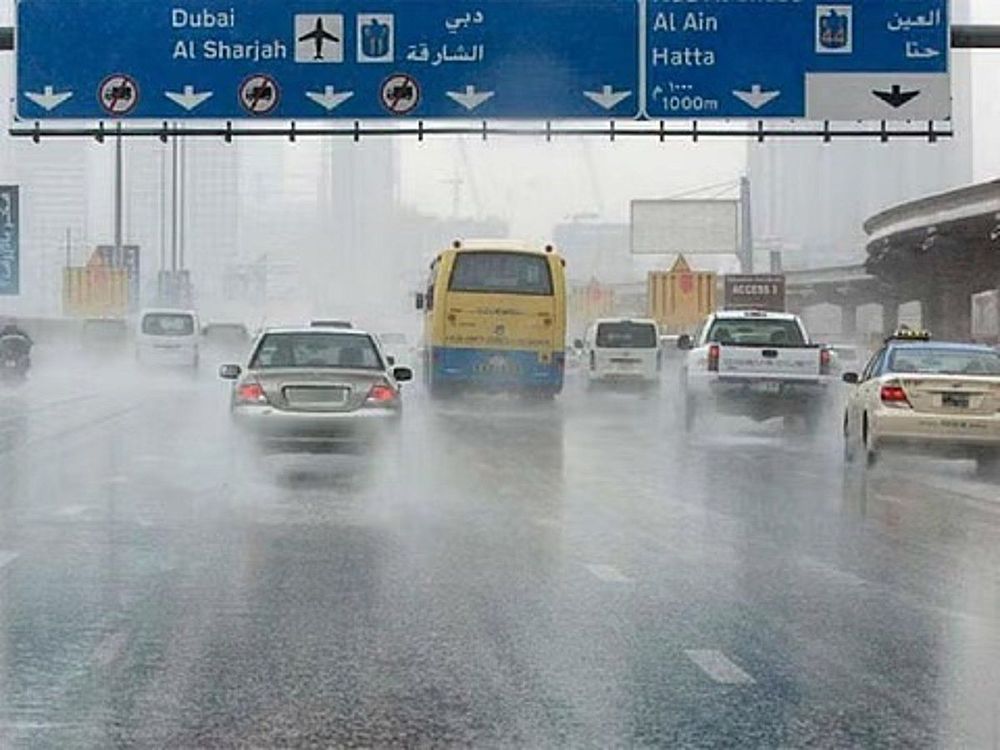
Motorists have been urged to slow down, maintain safe distances between vehicles and drive only when necessary while exercising extra caution in poor visibility. The ministry called on residents to secure loose objects around homes, balconies and rooftops to prevent them from being blown away by strong winds, and to remove potentially hazardous items from outdoor areas.
Weather patterns and predictions
The NCM attributed the unstable conditions to a combination of factors: the northward movement of the Intertropical Convergence Zone, an upper-level trough extending from the east, a surface low-pressure system advancing from the south, increasing moisture flowing in from the Sea of Oman, rising temperatures and the influence of the eastern mountain range.
Summer rainfall in the UAE is rare, typically occurring in the form of afternoon showers triggered by convective cloud formation over eastern and southern areas, particularly near mountains. Most rainfall normally occurs during winter months between December and March, making the current weather pattern noteworthy.
Forecasters said south-easterly to north-easterly winds will be light to moderate but could strengthen to between 10 and 25kph, with gusts reaching 40kph, particularly around convective clouds. Blowing dust and sand may reduce horizontal visibility in exposed areas.
Temperatures are expected to remain high, with maximums reaching 48°C in Liwa, 47°C in Abu Dhabi and Al Ain, 46°C in Sharjah and 45°C in Dubai. Both the Arabian Gulf and the Sea of Oman are forecast to remain slight to moderate.
Staying informed
Residents can receive weather warnings and alerts through the NCM's Weather UAE mobile app, which provides push notifications based on user preferences for fog, rain, sea conditions and other hazards, along with hourly forecasts, weather maps and radar data. The Early Warning System for All digital platform, launched by the Ministry of Foreign Affairs and NCM in August 2024, monitors weather conditions and natural disasters to issue relevant warnings.
The Ministry of Interior emphasized that adhering to official safety instructions would help protect lives and property, urging the public to rely on official channels for weather updates as conditions continue to evolve throughout the week.