France brings largest wildfire since 1949 under control after week-long battle
Firefighters gain upper hand on historic Gironde blaze that scorched 42,000 hectares and forced mass evacuations, as France deploys military aircraft in unprecedented firefighting response.
France brings largest wildfire since 1949 under control after week-long battle
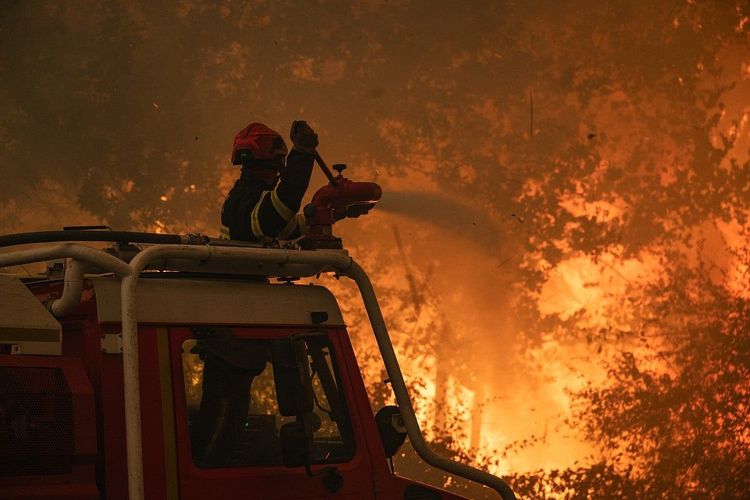
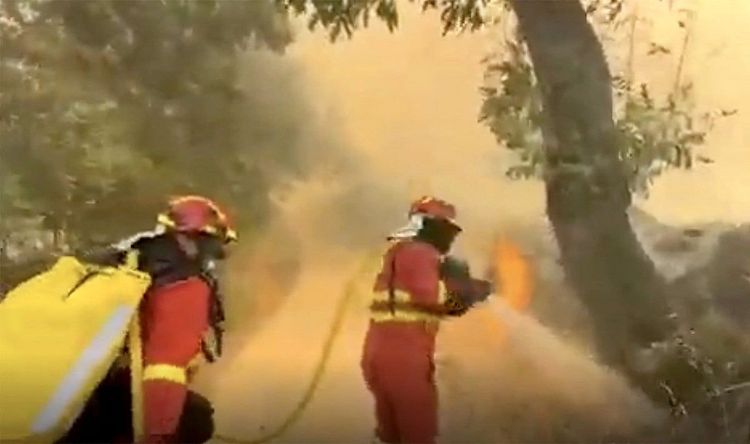
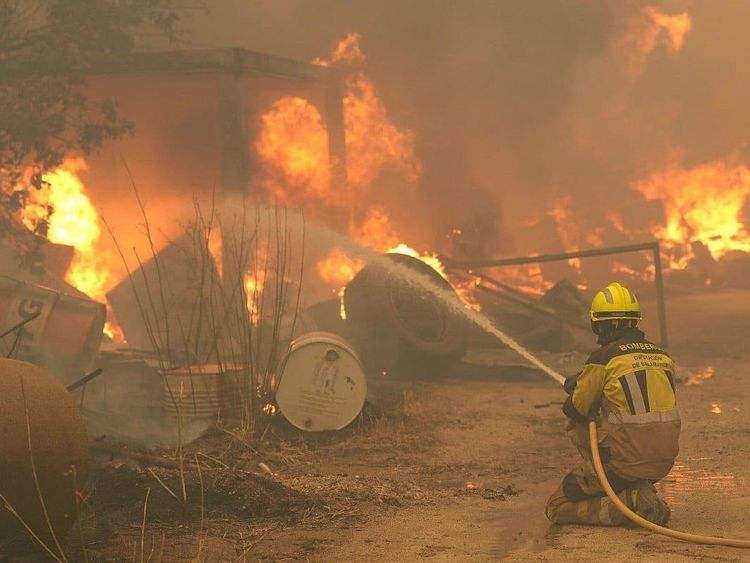
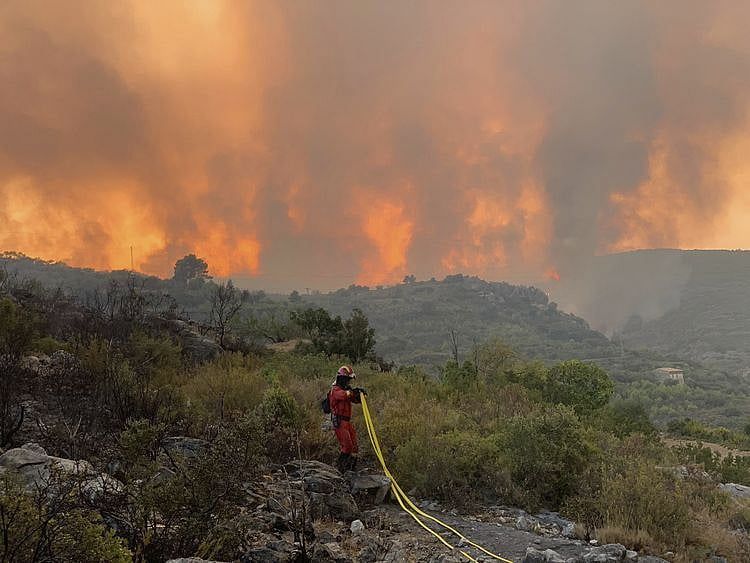
French authorities declared the country's most destructive wildfire in 77 years under control on Saturday, marking a turning point after more than a week of intense firefighting efforts near Bordeaux that required deploying military aircraft for the first time in an emergency aerial water-bombing operation.
"The fire is under control, it's no longer progressing," Interior Minister Laurent Nunez announced, though he cautioned that flames remained active in certain areas of the vast burn zone.
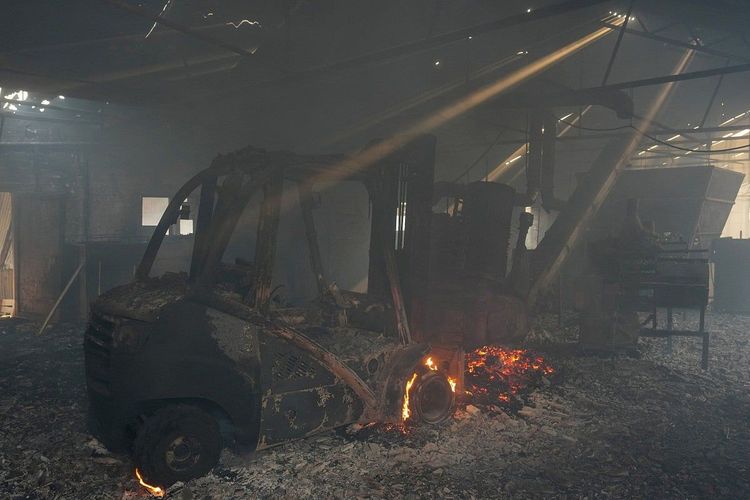
The Gironde inferno consumed 42,000 hectares of maritime pine forest along the Atlantic coast — an area exceeding the size of Detroit — and destroyed approximately 240 homes. The blaze, which local residents say was sparked accidentally by a brushwood-clearing machine on Wednesday last week, forced the evacuation of 220,000 people at its peak.
The fire's scale surpasses any French wildfire since the catastrophic 1949 Landes forest blaze, which burned around 50,000 hectares and killed 82 people in what remains Europe's deadliest wildfire. That tragedy, which claimed most of its victims — firefighters — in a devastating 20-minute period when flames engulfed 6,000 hectares, led to the creation of France's national wildfire defence system.
Unprecedented firefighting response
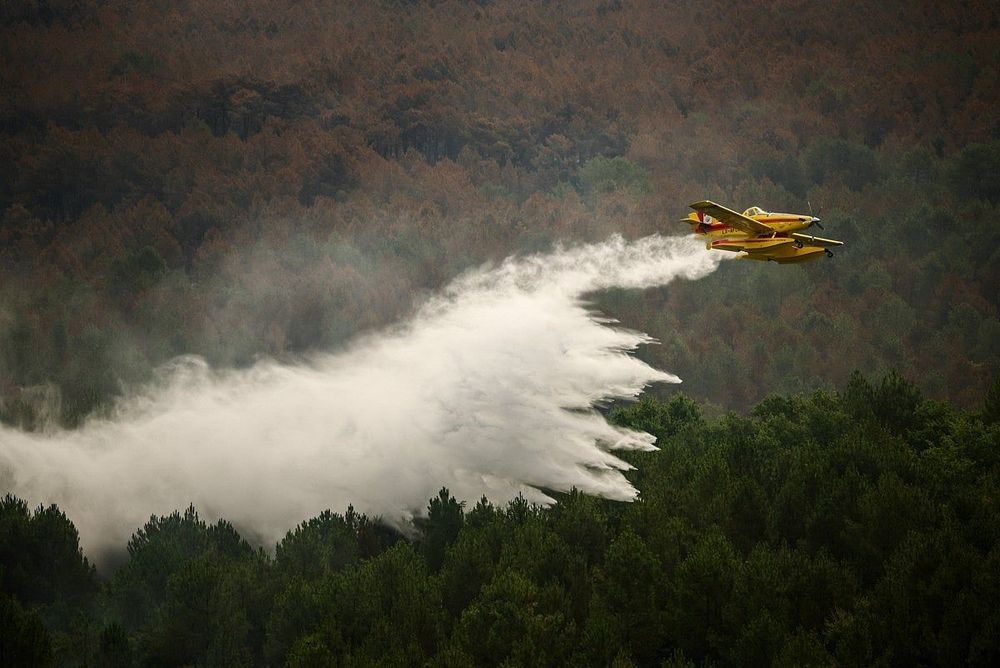
France's response to the Gironde fire demonstrated both the severity of the crisis and constraints in firefighting capacity. The country deployed its fleet of 12 Canadair water-bombing aircraft, though these planes are decades old. Despite a 2022 pledge to replace them, the first new deliveries are not expected until 2028 due to production delays.
In an unprecedented move, France deployed the Airbus A400M Atlas military transport aircraft for its first operational firefighting mission, ahead of its scheduled introduction. The massive plane can release 20 tonnes of water in under 10 seconds — equivalent to several Canadair loads in a single drop.
Sophie Brocas, prefect of the Gironde region, said Friday evening that the area was "coming up for air" after relentless firefighting efforts. Most evacuees had returned home, though Nunez noted some would need to wait until fires in active zones were fully extinguished.
Vulnerable forest ecosystem
The Gironde region's vulnerability stems partly from its forest composition. Nearly one million hectares of maritime pine monoculture dominate the landscape, with research showing such pine plantations face 122% higher wildfire risk compared to mixed forests.
National wildfire crisis
The Gironde blaze represents only part of France's broader wildfire emergency. In southeastern France, firefighters stemmed a fast-moving fire in the Var region that had spread, in the words of regional prefect Simon Babre, "faster than a galloping horse." By Saturday morning, authorities reported no further progression.
The Var region has seen multiple fires consume 5,600 hectares in July alone, including one that forced actor George Clooney, his wife Amal and their children to evacuate their home earlier this week.
A fire in the Fontainebleau forest near Paris destroyed a tenth of the UNESCO-listed site in mid-July, marking the first time Canadair water bombers were deployed to the Paris region. Aircraft collected water from the Seine River to combat the blaze, underscoring how wildfire risks have expanded beyond traditionally fire-prone southern France.
Record-breaking destruction
According to satellite data from the European Forest Fire Information System (EFFIS), which has monitored wildfires since 2000 and became part of the EU's Copernicus Emergency Management Services in 2015, France has seen 92,000 hectares burn this year — the largest area on record over the past two decades. This surpasses even 2022, when approximately 66,000 hectares burned in 291 fires, more than four and a half times the yearly average.
Scientists have linked the extreme weather conditions fuelling these fires to human-made climate change. Attribution studies found that climate change made fire weather conditions like those seen in southwest France twice as likely, with such conditions now occurring on average every 13 years in the current climate.
The wildfires have come amid deadly heatwaves that dried riverbeds and vegetation across France. June's extreme temperatures, averaging 36.9°C and exceeding the previous June record by 2.4°C, contributed to more than 2,700 heat-related deaths according to public health authorities.