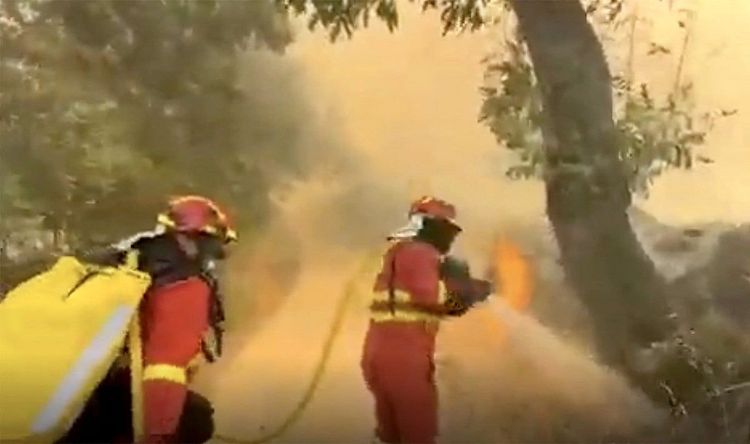
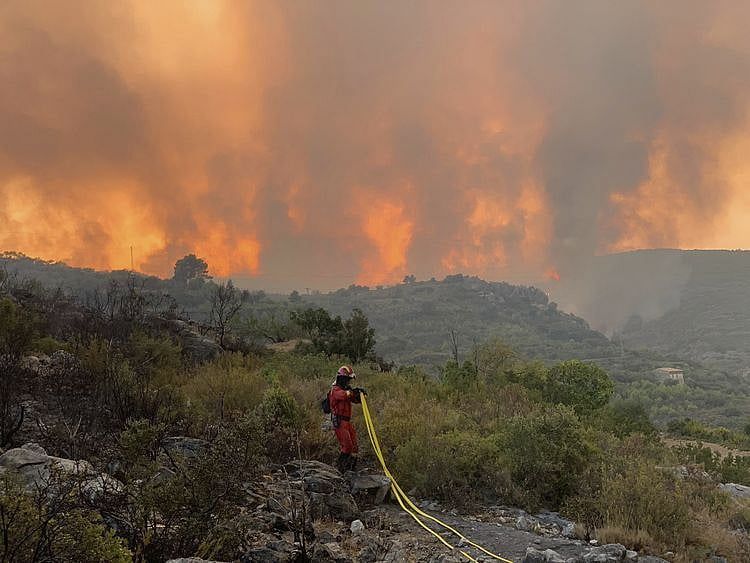
Spain declares first-ever wildfire emergency as Madrid blaze forces 40,000 from homes
Spain has declared its first national emergency specifically for a wildfire as the worst blaze in Madrid's history consumes 6,000 hectares, forcing mass evacuations amid scorching heat and strong winds.
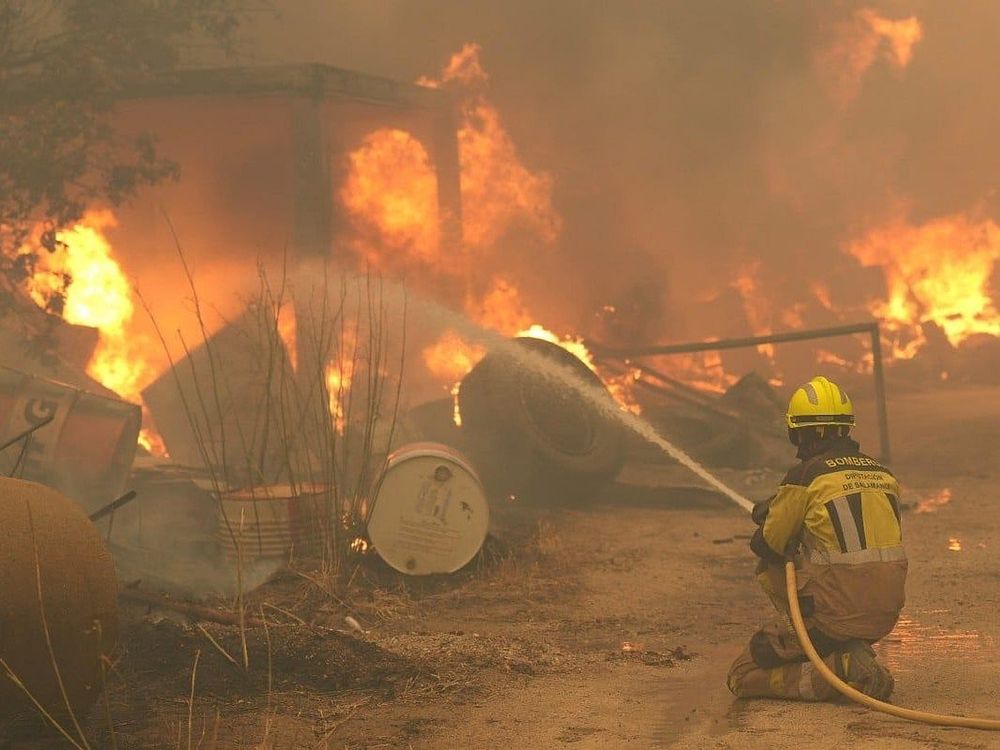
Massive wildfire engulfs Madrid region, thousands evacuated
The worst wildfire in Madrid's history raged west of the Spanish capital on Friday, forcing approximately 40,000 people to evacuate or shelter indoors as Spain declared its first-ever national emergency specifically due to a wildfire.
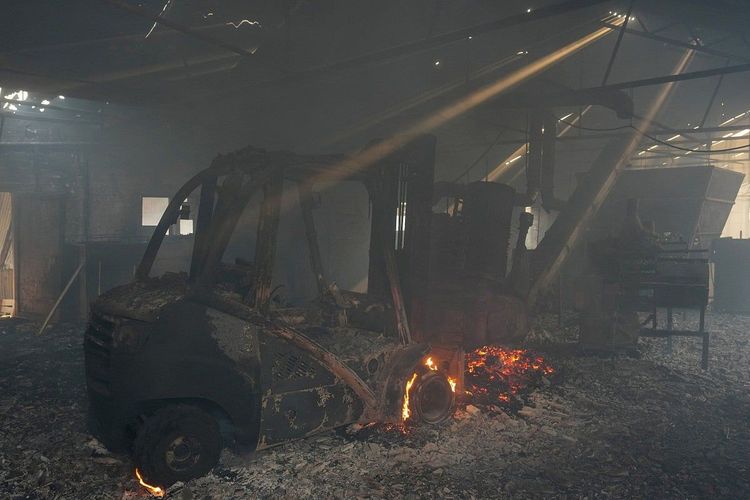
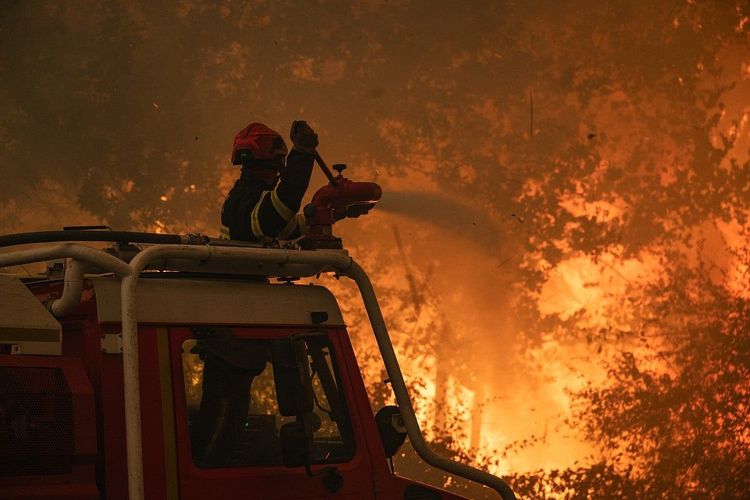
Strong winds and scorching temperatures hampered efforts to contain the flames, which destroyed dozens of homes and forced the closure of several roads. More than 270 emergency personnel and 40 ground units have been deployed in the affected areas, alongside several contingents from Spain's Military Emergency Unit, which was established in 2005 to enhance the government's capacity to respond to emergencies and disasters.
Carlos Novillo, the Madrid regional government's emergency management chief, told reporters that the wildfire had reached its peak and was currently beyond firefighters' capacity to contain. Two separate wind-fuelled wildfires merged into one massive blaze on Friday and were threatening to combine with another fire in the neighbouring Castilla y Leon region.
Spanish authorities ordered the evacuation of 7,000 additional people from two villages west of Madrid on Friday, adding to the 19,000 residents already told to leave their homes or remain indoors with windows and doors sealed. Emergency messages were sent directly to phones in affected areas.
Unprecedented crisis unfolds
Traffic built up on narrow roads near Zarzalejo, a village of approximately 2,000 residents, as families evacuated with whatever possessions they could gather, including caged pet birds. Flames were visible on distant mountainsides, partially obscured by dense smoke rising from the wildfire.
Isabel Diaz Ayuso, head of the Madrid regional government, described it as the worst wildfire in the region's history.
The situation is completely unusual and catastrophic,she said, adding that the priority was
to save lives.
The blaze has consumed around 6,000 hectares in the Madrid region, an area with a high concentration of homes. Spain's Guardia Civil police force arrested one man for allegedly igniting the fire by using farm equipment despite a ban under tinderbox conditions, while another person remains under investigation.
Prime Minister Pedro Sanchez will attend an emergency meeting Saturday in Cenicientos in the affected area.
We are living through a dramatic situation, not only in various Spanish provinces but also in regions of neighbouring countries,he wrote on X.
Part of devastating national trend
The Madrid crisis forms part of an exceptionally severe wildfire season across Spain. More than 100,000 hectares have burned in the country so far in 2026, roughly equivalent to Spain's average annual burned area over the past decade. The country has already suffered 22 major forest fires this year as of July 22, with major fires defined as those burning over 500 hectares.
Spain's largest active wildfire in Guadalajara province, approximately 100 kilometres north of Madrid, was contained after ravaging about 32,000 hectares over the past week, officials said.
The country recorded its worst wildfire season in recent history in 2025, when more than 393,000 hectares were destroyed. That year marked the worst wildfire season the European Union has seen in the last century, with more than one million hectares burned across EU member states, according to the European Forest Fire Information System.
Climate and weather create dangerous conditions
Experts say abundant vegetation growth following unusually heavy spring rainfall has dried out in extreme summer heat, creating fuel for rapidly spreading fires. Scientists warn that climate change is exacerbating the frequency and intensity of heat and dryness, especially in southeastern Europe, making the region increasingly vulnerable to wildfires.
Europe is the world's fastest-warming continent, with temperatures increasing twice as quickly as the global average since the 1980s, according to the European Union's Copernicus Climate Change Service.
Forecast winds are expected to ease somewhat overnight, which should improve firefighting conditions but will likely not be enough to bring the wildfire under control given its size, officials said.