Typhoon Noul forces mass evacuations across southern China
More than 20,000 people evacuated as the 12th typhoon of 2026 approaches Guangdong province and Hong Kong, prompting widespread transport disruptions and emergency responses across China's most populous and economically vital region.

Typhoon Noul forces mass evacuations across southern China
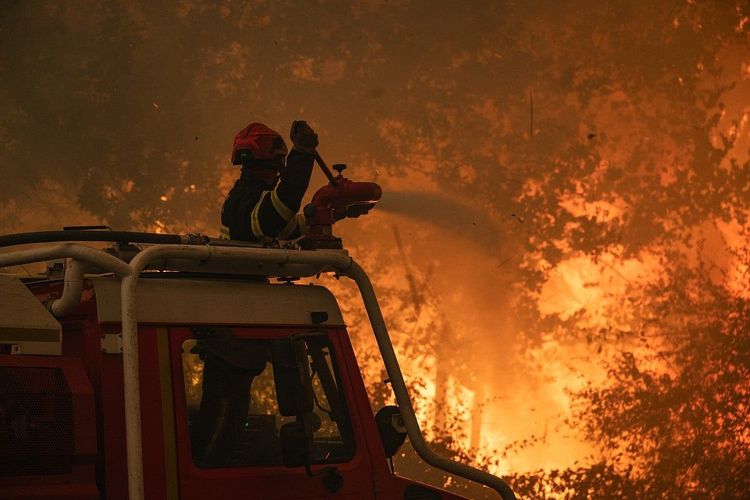
Authorities across southern China have evacuated over 20,000 people and suspended rail services as Typhoon Noul, the 12th typhoon of the 2026 season, approaches the coast between Hong Kong and Guangdong province, with landfall expected between Saturday evening and Sunday morning.
China's National Meteorological Center maintained an orange typhoon alert on Saturday, the second-highest level in the country's four-tier color-coded warning system, which ranges from blue to yellow, orange and red. The storm, which formed in the Northwest Pacific on July 23 with initial wind speeds of 29 mph, has since intensified as it tracked northwest toward the Chinese coast.
When Noul makes landfall, forecasters expect maximum sustained winds between 126 and 151 kilometres per hour. Parts of Guangdong, along with neighbouring Hunan and Jiangxi provinces, are set to receive heavy rainfall from Saturday through Monday, according to meteorological officials.
Mass evacuations and transport shutdowns
More than 20,000 people have been evacuated in Guangdong, China's most populous province with approximately 127.80 million residents, state broadcaster CCTV reported late Friday. The province, which generated a GDP of 14.58 trillion yuan ($2.08 trillion) in 2025, is home to the Pearl River Delta, one of China's most highly urbanized regions and a core area for high technology manufacturing and foreign trade.
Fishing vessels operating at sea in Guangdong have returned to ports to shelter from the storm. The province will suspend some train services Saturday morning, with all rail operations in the region halted on Sunday, CCTV reported. Schools in Chaozhou city were instructed to suspend on-campus activities.
China's Ministry of Transport activated Level II responses for both the typhoon and heavy rainfall, ordering comprehensive safety checks, vessel evacuations, and potential closure of coastal expressways and major roads along the storm's path.
Flight cancellations grip Hong Kong
Hong Kong airline Cathay Pacific announced the cancellation of all flights scheduled to arrive and depart from Hong Kong International Airport between 1:15 am and 6:00 pm local time Sunday. A small number of other flights will be delayed as the airline adjusts its schedule to resume operations once the typhoon passes, the carrier said Saturday.
Guangdong's Shenzhen Bao'an International Airport said airlines would adjust flight schedules from Sunday morning to around midday depending on weather conditions.
Escalating emergency responses
Authorities upgraded Guangdong's emergency response for flood and typhoon control to the third level in China's four-tier system on Saturday afternoon, with Level I representing the most severe response, the official Xinhua news agency reported. A Level IV flood emergency response was also activated for Jiangxi and Hunan provinces.
Typhoon Noul is characterized by deep inland penetration, a prolonged duration, heavy cumulative rainfall, a path traversing complex terrain, and a high risk of causing disasters, CCTV said, citing meteorologists.
Part of active storm season
The approaching typhoon marks the third tropical storm to make landfall in China within the past four weeks, following Typhoon Maysak and Typhoon Bavi, indicating an exceptionally active tropical cyclone period for the region.
Extreme weather has already wreaked havoc on southern and central China this month. Typhoon Maysak triggered devastating floods in Guangxi that killed 39 people, while also causing thunderstorms and gale-force winds in central Hubei province that killed 11 people and injured 331.
Scientists warn that the intensity and frequency of global extreme weather events will increase as the planet continues to heat up due to fossil fuel emissions. China is the world's biggest emitter of greenhouse gases, but also a global renewable energy powerhouse that aims to make its economy carbon neutral by 2060.