Erratic winds threaten to spread Madrid wildfires as 63,000 evacuated
Spanish authorities warn that unpredictable wind patterns could worsen massive wildfires burning through 15,000 hectares near Madrid, forcing 63,000 people from their homes in what officials describe as the region's worst fire on record.
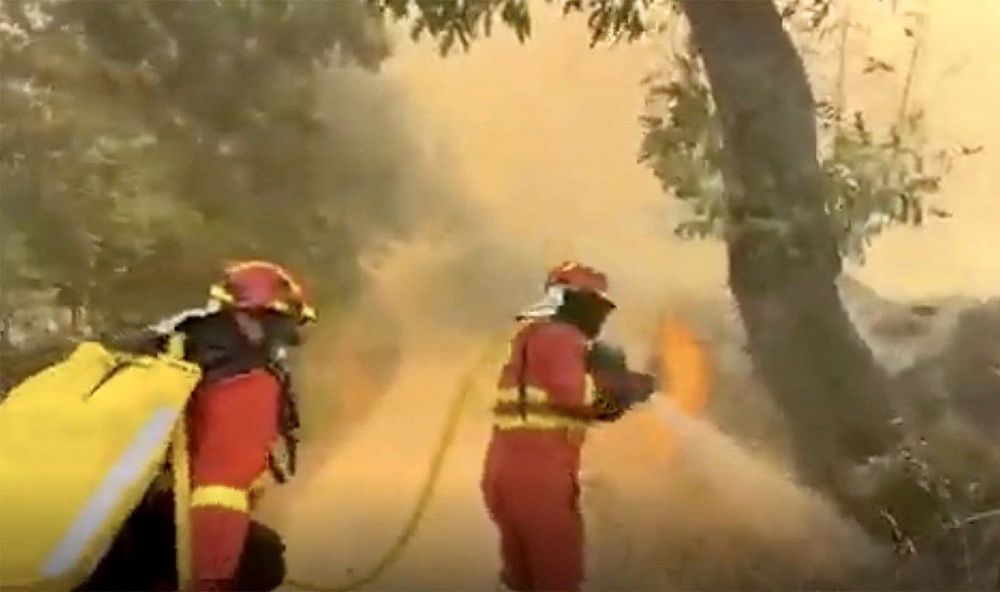
Spain official warns winds could worsen fire
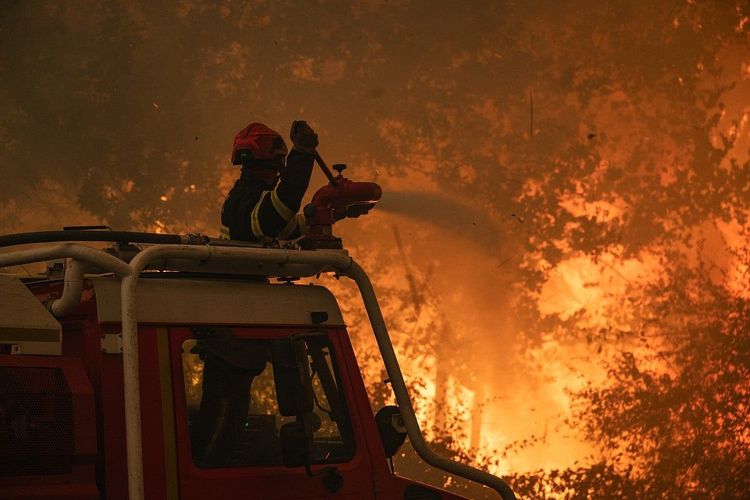
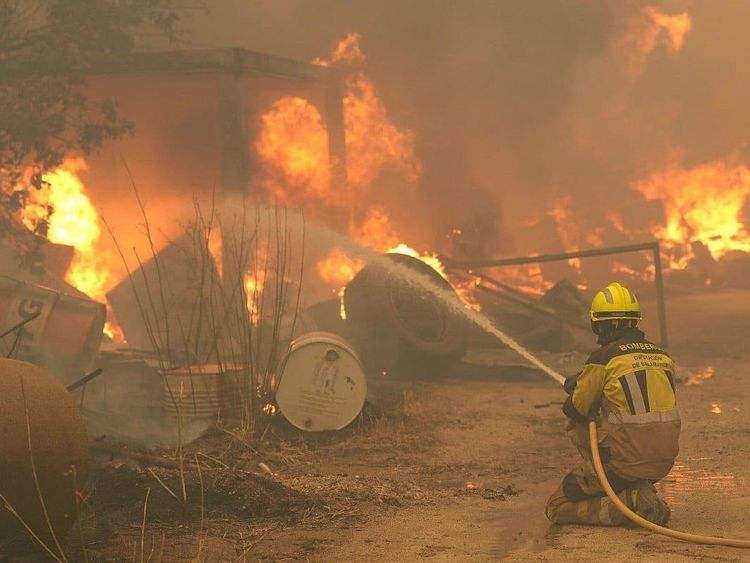
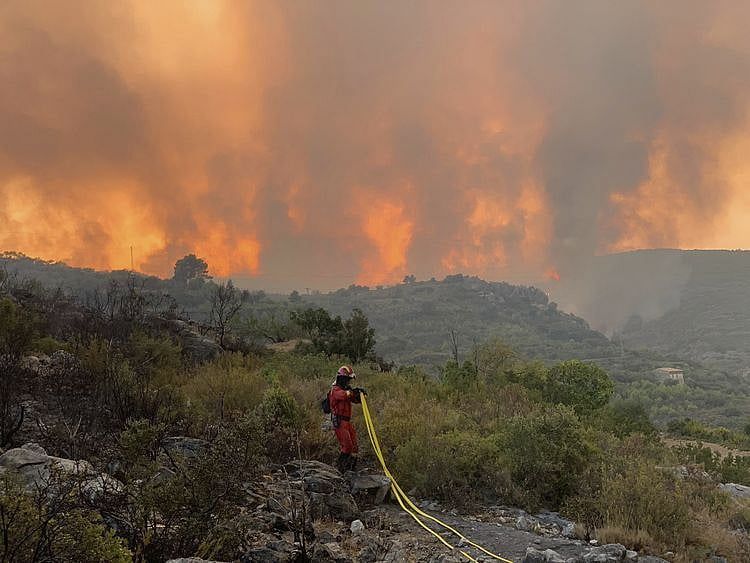
Spanish firefighters battled to contain massive wildfires raging west of Madrid on Saturday as officials warned that erratic winds could fan the flames further, threatening gains made after temperatures dropped overnight.
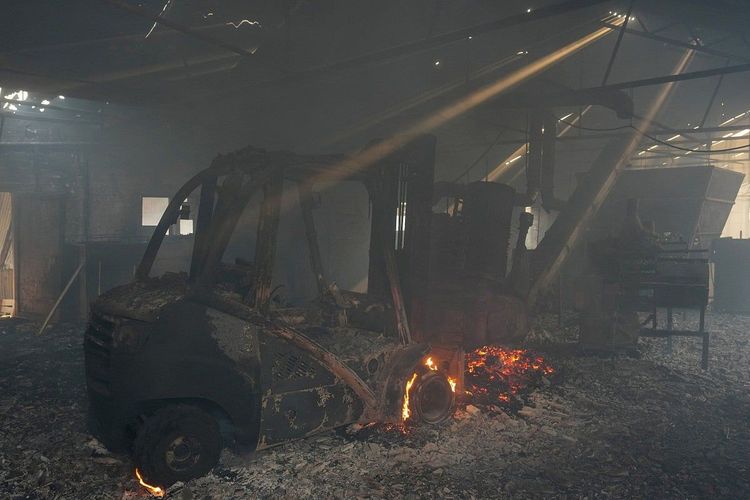
The fires burning through parched countryside have forced 63,000 people to flee their homes or shelter indoors, the interior ministry said. Thick grey smoke blanketed the sky west of the capital, with the smell of burning reaching central Madrid's streets.
The blazes have consumed approximately 15,000 hectares across Madrid and Ávila provinces, according to regional officials. Spain declared a national emergency over the wildfires on Thursday, marking the first time in the country's history that such a measure has been taken for a wildfire disaster.
Francisco Martin, the central government's delegate in Madrid, told reporters late Friday that cooler conditions offered hope. "There is a real opportunity now to tackle this fire with some guarantee of success," he said, noting that Friday saw lower temperatures, reduced winds and higher humidity.
However, Martin cautioned that Saturday would prove difficult. "The wind is expected to rise in the morning, with rather erratic gusts," he said.
Beyond firefighting capacity
Three separate wildfires merged into a single massive front by Friday, with officials warning the combined blaze was beyond firefighters' ability to contain due to strong winds and tinder-dry conditions. Carlos Novillo, the Madrid regional government's emergency management chief, told reporters Friday that the fire was "at its peak and currently beyond the capacity of firefighters to contain."
The fires occurred during Spain's third major heatwave of 2026, with temperatures reaching 44°C in some areas on Friday, creating extreme wildfire conditions across the region.
Prime Minister Pedro Sanchez was scheduled to attend an emergency planning meeting on Saturday morning in Cenicientos, a municipality of approximately 2,150 people located about 80 kilometers southwest of Madrid, near the border with Ávila and Toledo provinces. The village sits at the heart of the fire zone. Sanchez is expected to speak to the media following the meeting.
The national emergency declaration placed the Military Emergency Unit (UME) in charge of coordinating the response. The UME, created in October 2005 as Spain's specialized disaster response force within the Armed Forces, is designed to handle major emergencies including wildfires, floods and earthquakes. The unit released video footage on Friday showing firefighters battling flames along roads in the Burgohondo area near Ávila.
Regional crisis
The Spanish fires are part of a broader Southern European wildfire crisis. As of Friday, over 140,000 people have been evacuated in France's southwest due to separate wildfires, bringing the combined evacuation total across both countries to nearly 200,000 people.
Spain has faced recurring severe wildfire problems in recent years. In 2022, the country experienced its worst wildfire season since 1994, with over 306,000 hectares burned, accounting for 35% of all burned land in European wildfires that year. The country's largest wildfire on record occurred in 1985, when 483,844 hectares burned across Spain.
Scientists attribute the increasing frequency and intensity of wildfires in Spain to human-caused climate change, which is extending the length and intensity of heatwaves while drying out vegetation and raising wildfire risk across the Mediterranean region.