Delhi High Court questions extent of family name protection in Aaradhya Bachchan personality rights case
The Delhi High Court examines whether celebrity family names can be protected like trademarks across generations, as the Bachchan family's legal battle over misinformation about Aaradhya enters a critical phase with broader implications for Indian personality rights law.
Delhi High Court questions extent of family name protection in Aaradhya Bachchan personality rights case
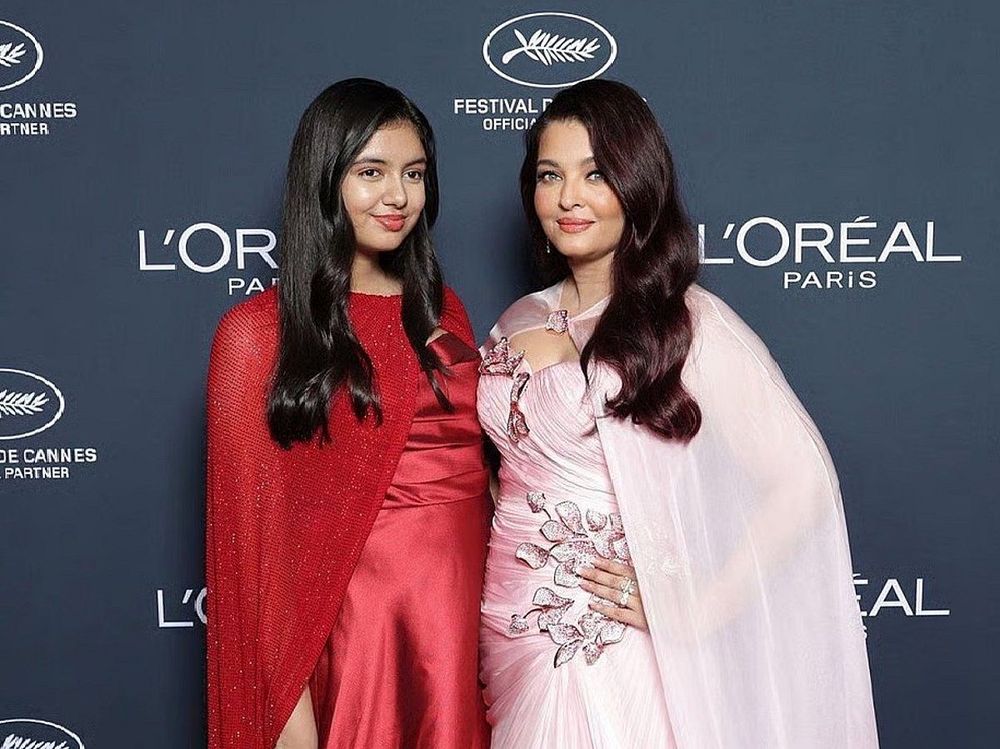
The Delhi High Court is scrutinizing fundamental questions about how far personality rights extend within celebrity families, in a case that could reshape legal protections for prominent names in India. The matter stems from a 2023 lawsuit filed on behalf of Aaradhya Bachchan, daughter of actors Abhishek Bachchan and Aishwarya Rai, over false health claims spread through YouTube videos.
During a hearing on Thursday, Justice Anup Jairam Bhambhani raised critical questions about the generational reach of family reputation. The judge examined whether a family name carries trademark-like protection and, if so, how many generations it extends to.
"If a family name is akin to having a reputation attached to a trademark, how far down the generations does such reputation of family name inure? A certain last name has a reputation because of the achievements, the eminence in a certain field of work. So, does that reputation, that you are couching as virtually as a trademark, does that flow down generationally? If so, up to what point?"
The case marks the fourth time in four years that members of the Bachchan family have approached the Delhi High Court to protect their personality rights. The legal campaign began in 2022 when Amitabh Bachchan filed a lawsuit against unauthorized use of his name, image, voice and catchphrases, followed by Abhishek Bachchan's case in 2025.
Origins of the legal battle
The current proceedings originated in 2023 when Aaradhya, then 11 years old, challenged YouTube videos containing fabricated claims about her health. The videos alleged that she was seriously ill and had been admitted to hospital, with some claiming she had died. The content also accused the Bachchan family of failing to provide timely medical treatment.
In April 2023, the Delhi High Court issued an interim order directing Google LLC and the Ministry of Electronics and Information Technology to remove the videos and restrain multiple YouTube channels, including 'Bollywood Time', 'Bolly Pakora', 'Bolly Samosa', and 'Bollywood Shine', from publishing misleading content. The court also ordered disclosure of contact details of the channel operators.
At the time, the court stated that spreading disinformation about a child reflected morbid perversity and emphasized that every child, regardless of celebrity parentage, deserves dignity, honour and respect.
Legal framework under examination
The case has brought attention to India's approach to personality rights, which lacks dedicated legislation. Protection currently comes from a combination of constitutional principles under Article 21, which recognizes privacy as a fundamental right, along with common law doctrines of passing off, trademark law, and copyright provisions.
Indian courts have built the personality rights framework over three decades through judicial decisions, applying an assortment of rules drawn from different areas of law. This absence of comprehensive legislation makes the Delhi High Court's examination particularly significant, as its rulings help define the boundaries of celebrity name protection.
Advocate Pravin Anand, representing the Bachchan family, argued that legal protection extends beyond individual reputation to encompass the broader family name and standing. He emphasized that passing off law protects reputation more widely than trademarks alone, noting that photographs of the entire Bachchan family were used in the offending content.
The court also considered whether fake news about individuals constitutes a violation of intellectual property rights and which legal provisions would govern such claims.
Broader context of personality rights litigation
The Delhi High Court has emerged as the primary forum for personality rights cases in India, despite Mumbai being the center of the entertainment industry. The court has granted protection to numerous celebrities including actors Allu Arjun, Mohanlal, Kajol, R. Madhavan, Anil Kapoor, and Jackie Shroff, as well as spiritual figures like Aniruddhacharya and former cricketer Sunil Gavaskar.
Justice Bhambhani, who was appointed to the Delhi High Court in October 2018 after being designated Senior Advocate in February 2014, has specialized in civil and criminal defamation, right to privacy, media regulation, copyright law, and constitutional validity of criminal defamation.
Indian courts have also been confronting emerging challenges from artificial intelligence and deepfake technologies in recent personality rights cases. The Delhi High Court has addressed unauthorized use of AI-generated content in cases involving actor Nagarjuna and issued orders directing platforms to remove deepfake videos featuring Dr. Naresh Trehan.
Aaradhya, born on November 16, 2011, is the only child of Abhishek Bachchan and Aishwarya Rai, who married in 2007. The outcome of this case could establish precedents affecting how Indian law treats celebrity family names, reputation, and personality rights across generations.