Nasdaq drops 3.14% as AI selling deepens and Trump proposes new tariffs
Wall Street suffered sharp losses on Wednesday, November 25, as investors sold artificial intelligence stocks and weighed proposed US tariffs on 14 trading partners. Stronger-than-expected economic growth also increased expectations that the Federal Reserve would raise interest rates in December.
 Layla Haddad
Chip losses reverse part of Monday's rebound
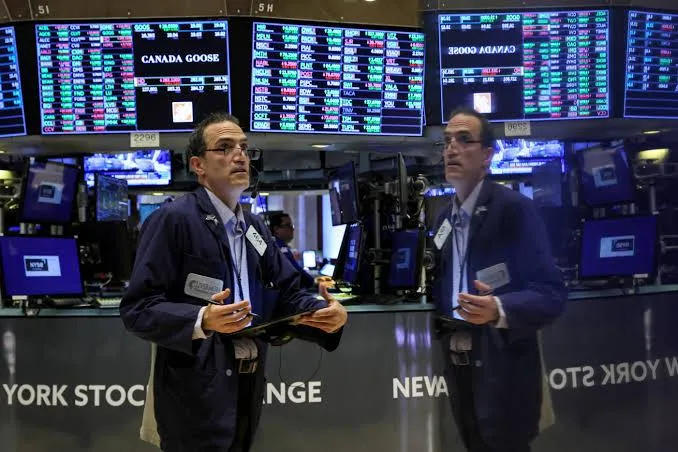
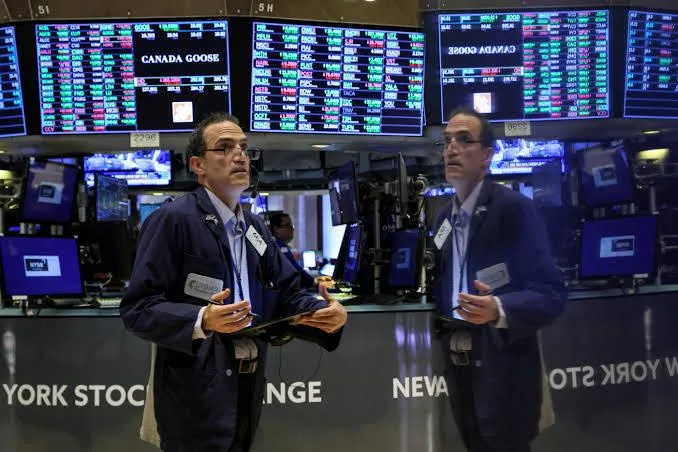
The Nasdaq Composite led the major indexes lower, losing about 745 points, or 3.14%, to 22,988.34. Its session low was 22,632.40. The S&P 500 slipped below 7,000 during trading before reaching 7,022.55, down 2.49%, while the Dow Jones Industrial Average lost nearly 979 points, or 1.96%, to 49,039.75.
Chipmakers were among the hardest-hit stocks: Nvidia declined 8.68% to $141.89, Advanced Micro Devices fell about 9%, and Micron Technology lost more than 10%. The selling reversed a substantial share of Monday's technology rally following Jensen Huang's reinstatement as Nvidia's chief executive.
That rebound had been Wall Street's strongest day since April 2025, according to Fortune. Nvidia surged 33%, the Nasdaq gained 6.5%, the S&P 500 rose about 5%, and the Dow advanced 3%. Yet the rally restored only about $3 trillion of the roughly $8 trillion the S&P 500 had shed over the six weeks following its October 6 record.
Huang returned 11 days after resigning. According to The Verge, his November 12 departure came amid reports of extramarital affairs, including one with an alleged Chinese spy, and an independent board investigation. Nvidia's third-quarter revenue more than doubled from a year earlier, reaching $115.8 billion.
Growth figures strengthen expectations of a Fed increase
Third-quarter US economic growth ran at an annualized 4.3%, substantially above both the preliminary estimate and the market forecast of 3.4%. October inflation figures matched expectations, with the headline and core personal consumption expenditures price indexes each increasing 0.3% from the previous month.
Money-market pricing after the releases put the likelihood of a quarter-percentage-point December rate increase at about 98%. Economies.com described the prospect of further tightening as a major barrier to a sustained technology-stock recovery, especially for companies with high valuations.
The Federal Open Market Committee is scheduled to meet December 8-9, 2026, with its decision due December 9. A quarter-point increase would take the federal funds target range from 3.75%-4.00% to 4.00%-4.25%. Officials will also release updated economic projections and the dot plot at that meeting.
Tariff proposal adds trade and inflation concerns
The Trump administration's proposed tariffs cover 14 major trading partners, including China, the European Union, Japan and India. Potential combined duties of about 45% on certain Chinese imports raised concerns about business profits, consumer prices and global supply chains.
Al Jazeera reported that the Office of the US Trade Representative proposed the measures under Section 301 of the Trade Act of 1974 after investigating what Washington calls "structural excess capacity" for eight months. The investigation encompassed 16 economies; Mexico and Norway were the two spared proposed tariffs at this stage.
China would face the highest new rate, at 20%, layered onto roughly 25% in duties imposed during Trump's first term. The proposal would remain within the trade truce's 20% ceiling on tariffs imposed during his second term. That truce with Beijing expires January 10.
Existing trade agreements would also constrain the proposed duties. Their caps are 15% for the European Union, Japan and South Korea, and 19% for Malaysia.
The proposal is another effort to rebuild Trump's broad import taxes after the Supreme Court struck them down in February 2026, finding that the emergency-powers law did not authorize tariffs. Before this latest proposal, the administration had used a separate Section 301 action concerning forced labor to replace those duties with tariffs ranging from 10% to 12.5% on 60 economies.
The announcement followed midterm elections just weeks earlier in which Republicans suffered unprecedented electoral losses, with living costs and tariffs among the major issues. A subsequent Reuters/Ipsos poll found that 62% of respondents would support efforts to eliminate trade tariffs.
Oil rebounds while gold extends its decline
In European trading on Wednesday, oil reversed earlier losses after renewed attacks on commercial vessels in the Strait of Hormuz heightened concern over the security of energy exports from the Middle East.
Gold moved in the opposite direction, falling for a second straight session and nearing its lowest level in almost 15 months. A stronger US dollar and expectations of higher US interest rates weighed on the metal.