UAE aircraft registry crosses 1,000 mark as aviation sector powers economic growth
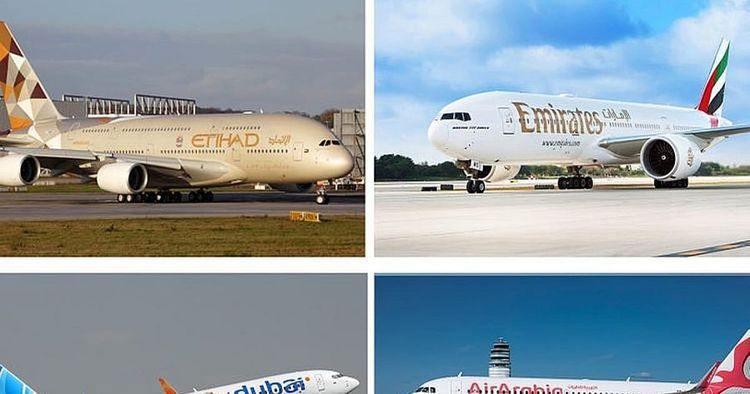
The UAE National Aircraft Registry has surpassed 1,000 registered aircraft for the first time, with national carriers accounting for more than half the fleet as the country's aviation sector contributes $92 billion to the economy.
UAE National Aircraft Registry surpasses 1,000 aircraft for first time
The UAE National Aircraft Registry has crossed the 1,000-aircraft threshold for the first time, marking a significant milestone for the country's rapidly expanding aviation industry, the General Civil Aviation Authority announced.
Aircraft number 1,001 was recently added to the register, with national carriers accounting for 554 aircraft or more than 55% of the total registered fleet. The milestone reflects robust growth across the UAE aviation sector, which contributed $92 billion—equivalent to 18.2% of national GDP—and supported 992,000 jobs in 2025, according to an IATA study.
Saif Mohammed Al Suwaidi, Director General of the GCAA, said the achievement demonstrates confidence in the UAE's regulatory framework and its long-term vision for sustainable aviation growth.
Surpassing the milestone of 1,000 registered aircraft represents a significant achievement for the UAE and reflects the continued growth of our civil aviation sector, as well as the confidence placed in the country's regulatory framework by airlines, aircraft owners and operators from around the world.
National carriers drive expansion
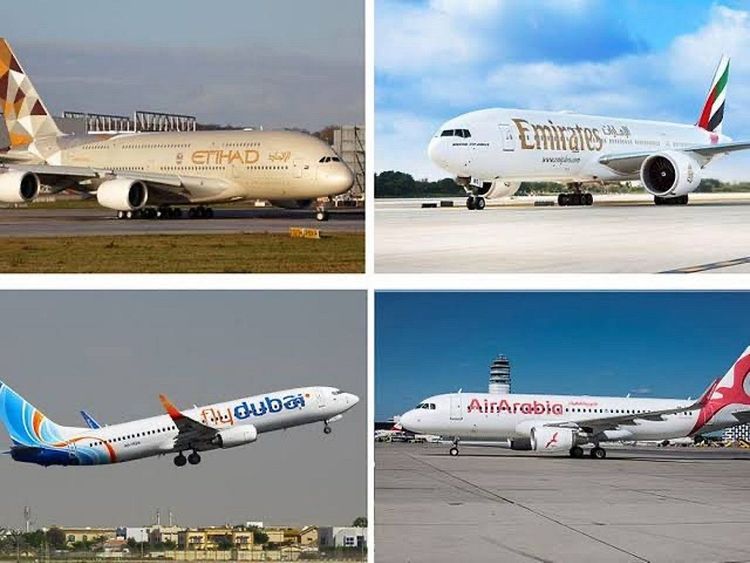
The registry growth coincides with aggressive fleet expansion by UAE-based airlines. Etihad Airways ended 2025 with 127 aircraft after adding 29 jets in the largest single-year expansion in its history, carrying 22.4 million passengers—a 21% increase year-on-year. The Abu Dhabi carrier plans to expand its fleet to 200 aircraft by 2030, targeting 38-39 million annual passengers as part of Abu Dhabi Vision 2030.
The expansion is supported by surging passenger traffic across UAE airports, which handled a record 156.8 million passengers in 2025, up 6.1% from the previous year. Aircraft movements reached 855,300, representing 6.8% growth year-on-year. Dubai International Airport alone served 95.2 million passengers in 2025, the highest annual international traffic figure ever recorded by any single airport globally. Abu Dhabi Airports processed more than 33 million passengers, its highest annual traffic in history.
Regulatory excellence attracts registrations
The GCAA's regulatory credibility has been a key factor in attracting aircraft registrations. The authority earned a 98.86% audit score from the International Civil Aviation Organization, one of the highest ratings worldwide. The registry operates in full accordance with ICAO Annex 7 standards under the Chicago Convention, which govern aircraft nationality and registration requirements.
Eng. Aqeel Al Zarooni, Assistant Director General for Aviation Safety Affairs at the GCAA, emphasized the system's international standing.
This milestone reflects the maturity, efficiency and international credibility of the UAE's aircraft registration system. Operating fully in accordance with international standards, the system delivers streamlined, transparent and reliable services that meet the evolving needs of aircraft owners and operators.
Growth trajectory continues
The UAE aviation market is projected to grow from $18.30 billion in 2024 to $27.37 billion by 2032, representing a compound annual growth rate of 5.17%. Regional aviation is also expanding, with the Middle East market forecast to grow from $34.4 billion in 2025 to $44.7 billion by 2030.
The GCAA said it will continue updating aviation legislation, simplifying procedures and expanding digital registration services. Future improvements will focus on digital transformation, regulatory updates and risk-based oversight while maintaining safety and compliance standards.