Dubai International Airport leads world rankings with 4.35 million international seats in July
Dubai International Airport topped global aviation rankings in July 2026 with 4.35 million scheduled international seats, an 18% year-on-year increase that reinforces its position as the world's leading hub for long-haul travel.
Dubai International Airport leads world rankings with 4.35 million international seats in July
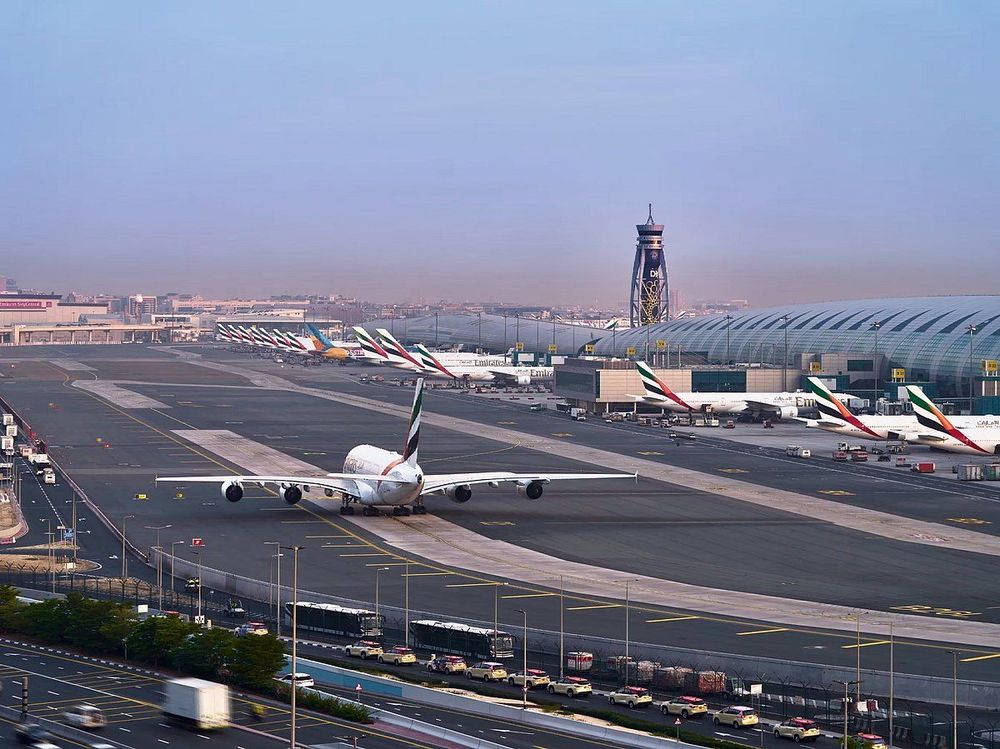
Dubai International Airport has secured the top position in global aviation rankings for scheduled international seat capacity in July 2026, offering 4.35 million seats and cementing its status as the world's busiest hub for cross-border travel.
The 18 per cent year-on-year increase in capacity places Dubai ahead of major European and Asian competitors, according to data published by UK-based aviation analytics firm OAG. Heathrow Airport ranked second with 4.23 million seats, down 1 per cent from the previous year, while Amsterdam Airport Schiphol recorded 3.82 million seats, up 1 per cent.
Incheon International Airport in South Korea offered 3.75 million seats, and Paris Charles de Gaulle Airport reached 3.70 million, both maintaining levels broadly similar to 2024. The competitive landscape highlights Dubai's sustained expansion in international connectivity at a time when several rival hubs face capacity constraints. Heathrow operates at approximately 99 per cent capacity with flights capped at 480,000 per annum due to runway limitations.
Dubai's performance in July continues a pattern established earlier in 2026. In January, the airport led global rankings with 5.5 million scheduled seats, surpassing Hartsfield–Jackson Atlanta International Airport, and maintained its advantage in February with 4.9 million seats.
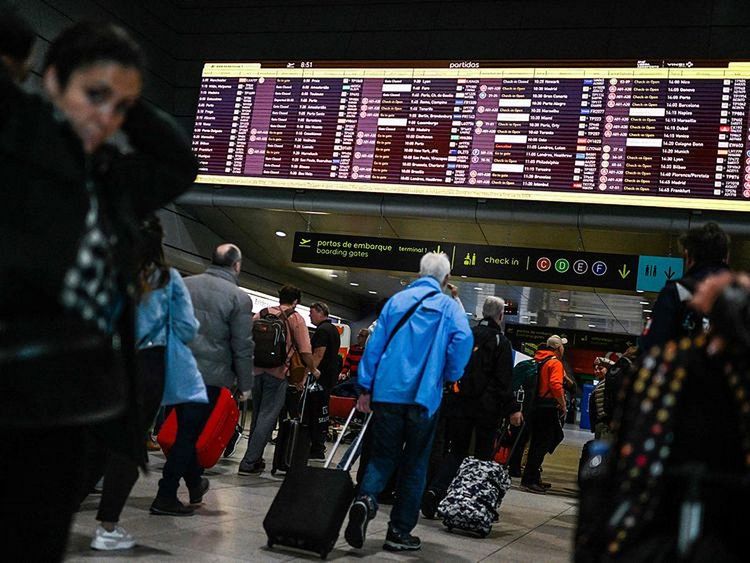
The airport's network now spans 291 destinations across 110 countries, served by 108 international airlines. India remained the largest country market, accounting for 11.9 million passengers by the end of 2025. The airport is forecast to handle 99.5 million passengers in 2026, representing a 4.5 per cent increase from the record 95.2 million recorded in 2025.
First-quarter traffic in 2026 reached 18.6 million passengers as regional airspace conditions stabilised and airlines expanded operations to meet recovering demand. December 2025 marked the busiest month in the airport's history, with 8.7 million passengers passing through its terminals, a 6.1 per cent year-on-year increase.
Fleet expansion drives capacity growth
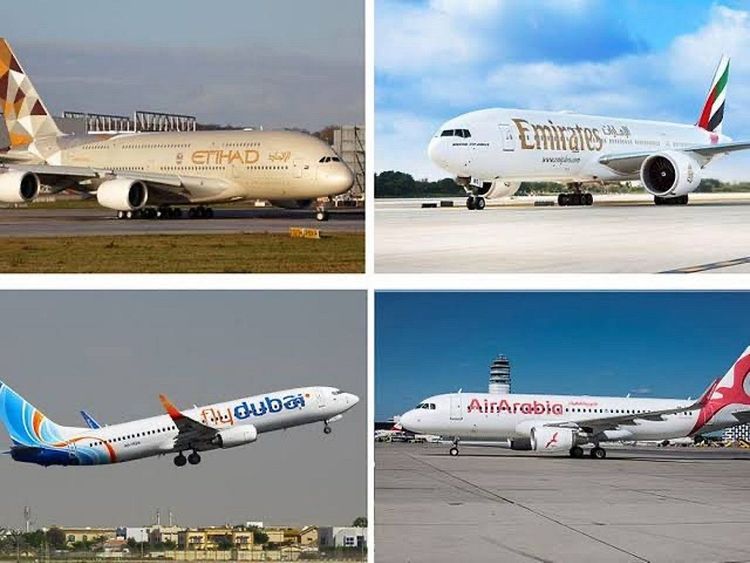
The seat capacity increases are supported by significant fleet expansion at Emirates, the airport's largest carrier. The airline is growing its active Airbus A380 fleet from 94 to approximately 110 aircraft by the end of 2026. Emirates SkyCargo is also preparing for a major expansion, with up to 10 Boeing 777 freighters expected to join its fleet by December 2026.
Dubai Airports has scaled capacity through operational improvements and digital infrastructure enhancements. In collaboration with the General Directorate of Residency and Foreigners Affairs, the airport has introduced a pre-travel eligibility verification tool for smart gates, allowing passengers to confirm access before reaching passport control.
The system integrates with biometric gates that use iris and facial recognition to process registered travellers in seconds. The Red Carpet seamless travel corridor, launched in August 2025, allows multiple passengers to clear passport procedures simultaneously without presenting documents, with processing times ranging between six and 14 seconds.
Additional measures include off-site baggage check-in, priority lanes for families and people of determination, real-time baggage tracking and digital wayfinding systems. These enhancements have contributed to smoother passenger flows as the airport manages increasing volumes.
Long-term capacity planning
The current growth trajectory is taking place as Dubai International approaches its operational ceiling, with capacity projections indicating it will reach around 115 million passengers by 2031. This intensifies the strategic importance of the planned transition to Al Maktoum International Airport, where Phase 1 remains on track for a 2032 opening.
The first operational phase of Al Maktoum International will provide capacity for approximately 150 million passengers annually, with plans to eventually expand to 260 million passengers once fully completed.
The airport's performance is linked to broader tourism growth in Dubai, which attracted 19.59 million international visitors in 2025, a 5 per cent increase from 2024. The integrated development of aviation infrastructure and tourism continues to support the city's position as a global travel and business hub.