US, UK, Canada and Australia renew Middle East travel warnings as Gulf airlines extend flight cancellations
Four governments have issued fresh travel advisories warning of unpredictable security conditions and potential flight disruptions across the Middle East, as Etihad Airways and other carriers adjust schedules through late July.
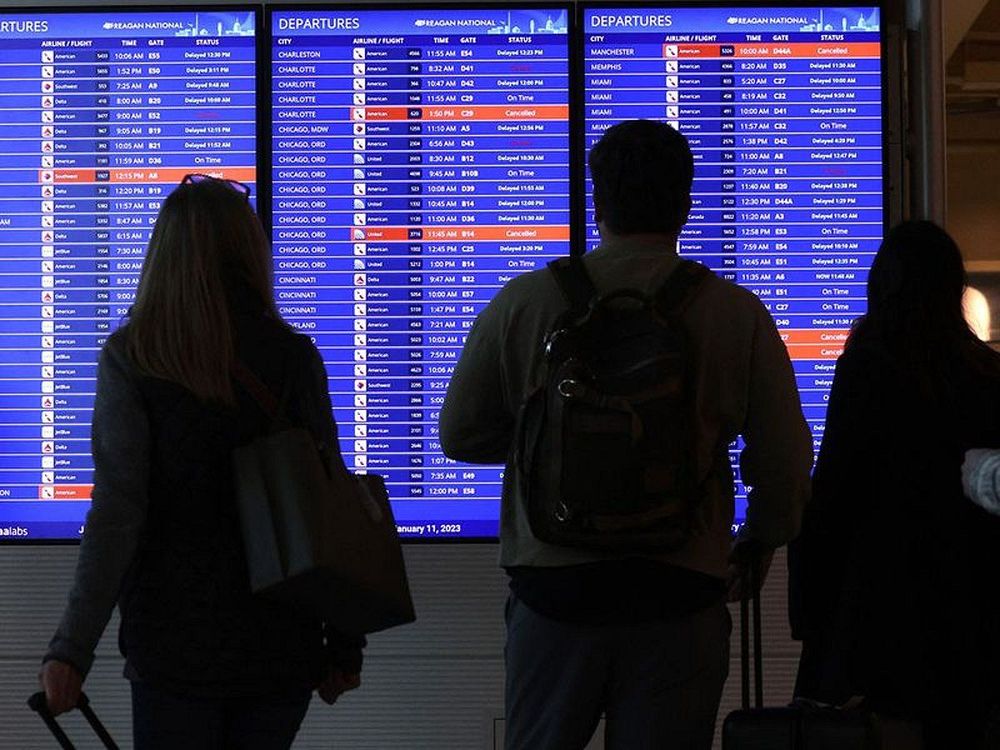
US, UK, Canada and Australia renew Middle East travel warnings as Gulf airlines extend flight cancellations
Travellers departing from or arriving in the UAE are being urged to confirm their flight status before heading to the airport, as the United States, United Kingdom, Canada and Australia have renewed travel advisories citing an unpredictable security environment across the Middle East that could trigger further disruptions.
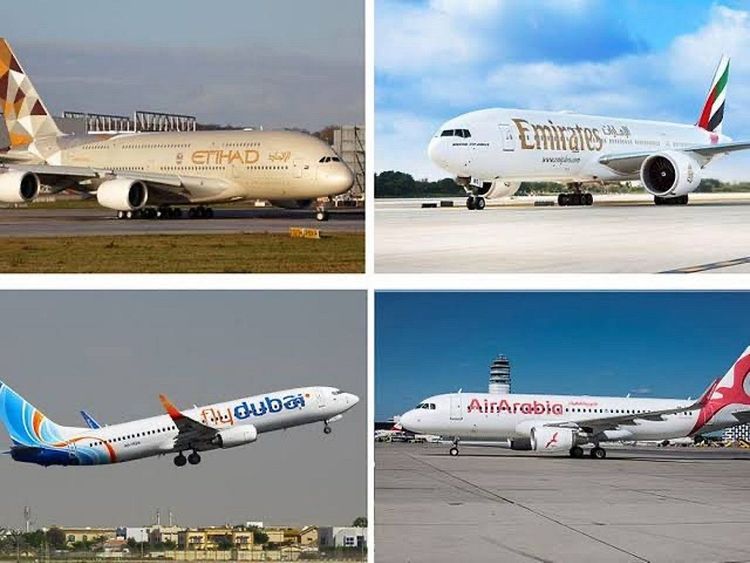
The updated warnings come as airlines throughout the region continue adjusting their operations. Etihad Airways has extended cancellations on select Bahrain and Kuwait routes, while flydubai has suspended one Bahrain service. Although UAE airport operations remain largely normal, passengers are advised to maintain close contact with their carriers and monitor developments.
Roots of the current crisis
The disruptions stem from a conflict that began on February 28, 2026, when the United States and Israel conducted military strikes on sites within Iranian territory. Iran launched retaliatory attacks, triggering months of escalating tensions that have affected commercial aviation across the Gulf region.
A temporary ceasefire was announced on April 8, 2026, and later extended through a Memorandum of Understanding signed on June 17, 2026, for an additional 60 days. The agreement called for cessation of military operations, restoration of commercial navigation through the Strait of Hormuz, and immediate sanctions relief for Iranian oil exports.
However, the ceasefire collapsed on July 7, 2026, when hostilities resumed. US strikes targeted Iranian military installations around the Strait of Hormuz, and Iran responded with missile and drone attacks on US military bases in Bahrain and Kuwait, reigniting the crisis.
Recent airspace restrictions
Kuwait's airspace was closed on July 18, 2026, following hostile missile and drone attacks that forced a temporary suspension of operations at Kuwait International Airport. Authorities have extended airspace restrictions until at least August 4, 2026, with overflights prohibited and only flights arriving at or departing from Kuwait International Airport permitted with prior government approval.
In March 2026, missile and drone strikes damaged infrastructure at Kuwait International Airport. The facility has experienced multiple closures and reopenings during the February-July conflict period.
On July 14, 2026, the European Union Aviation Safety Agency issued Conflict Zone Information Bulletin CZIB-2026-07, advising all European airlines and EASA-authorized carriers to avoid the airspace of the United Arab Emirates, Qatar, Bahrain and Kuwait at all altitudes through July 29, 2026.
Government advisories
The US Department of State continues to maintain a Worldwide Caution, warning American citizens of a complex security environment and the potential for further escalation. The advisory urges travellers to be prepared for flight cancellations, airspace closures and travel disruptions, noting that some airlines have postponed resuming services or cancelled routes entirely.
The UK Foreign, Commonwealth and Development Office advises that despite the memorandum of understanding between the US and Iran, the security situation remains unpredictable and attacks could resume with little warning. British nationals are urged to follow local authority advice, monitor news sources, keep travel documents current and review travel plans regularly. The FCDO warns that airports and other civilian infrastructure have previously been affected during periods of regional tension.
The Government of Canada continues to advise against non-essential travel to the UAE, warning that renewed missile and drone attacks could result in further flight cancellations and travel disruptions. Canadian authorities also remind travellers that photographing or sharing images of military facilities or security incidents may lead to severe penalties under local laws.
Australia advises that the security environment remains volatile and urges Australians in the region to leave while commercial flights continue to operate, if it is safe to do so. The advisory warns that military activity could continue to affect airline schedules.
The European Union Aviation Safety Agency has extended its Conflict Zone Information Bulletin until August 31, advising operators to exercise extreme caution over parts of the Gulf due to the ongoing risk posed by missile and drone activity, military operations and potential falling debris.
Airline updates
Etihad Airways has extended the cancellation of flights EY653 and EY654 between Abu Dhabi's Zayed International Airport and Kuwait International Airport until July 26 due to operational reasons. Flights between Abu Dhabi and Bahrain also remain cancelled until July 25. Passengers affected are advised to ensure their contact details are current so they receive flight notifications by SMS or email.
Emirates is operating its schedule, although a small number of services continue to experience delays.
flydubai has cancelled flight FZ003/EK2026 from Dubai to Bahrain. Passengers are advised to check their flight status before travelling to the airport.
Air Arabia has cancelled flights G9772 from Alexandria to Sharjah, G9122/G9121 from Kuwait City to Sharjah, G9399 from Jizan to Sharjah, and G9138 from Sharjah to Doha.
Qatar Airways has extended the temporary suspension of passenger flights to Bahrain, Erbil and Kuwait until July 31.
Numerous international carriers have also adjusted their Middle East operations. Aegean Airlines has cancelled Dubai flights until August 31. Air Astana has suspended flights to Dubai from Almaty and Astana until August 31. Air Canada has suspended Toronto-Dubai flights until October 24. British Airways has suspended Dubai, Bahrain, Amman and Tel Aviv until October 31, while reducing schedules to Doha and Riyadh and permanently withdrawing the Jeddah route. Cathay Pacific has suspended Dubai flights until October 24 and Riyadh until October 25. Lufthansa Group carriers have suspended Dubai flights until September 13, with several other Middle East routes suspended until October 24. Singapore Airlines has suspended Dubai flights until October 24 and delayed the launch of Riyadh service until December 1.
Impact on operations
Iran sits directly between Europe and Asia corridors and forms one of the busiest airspaces in the world. Flights from Europe to India, Southeast Asia and parts of Australia routinely cross Iranian and Middle East airspace because it provides the shortest and most fuel-efficient routing. Iranian airspace remains only partially open, and very few international operators are currently using it. Most Europe-Asia traffic continues to route south via Egypt and Saudi Arabia or north via the Caucasus and Afghanistan to avoid the conflict zone.
On July 14, 2026, geopolitical tensions and airspace closures resulted in 493 flight cancellations and 5,387 flight delays, affecting major transit hubs including Dubai, Shanghai, Riyadh and Guangzhou as carriers rerouted flights.
The conflict has taken a substantial toll on regional aviation. Dubai International Airport saw a 66% year-over-year drop in passenger traffic in March 2026 due to airspace closures. First-quarter 2026 passenger traffic fell 21% to 18.6 million passengers, down from 23.4 million in the first quarter of 2025, delaying projections to reach 100 million annual passengers until 2027.
Why flights are affected
Due to airspace restrictions and security concerns in parts of the region, some international flights are being rerouted. Travellers may experience longer flight times, with some routes taking an additional one to three hours due to detours. Airlines may adjust schedules based on safety assessments. Increased traffic at alternative airports can affect layovers, extending connection times. Route changes may also impact baggage transfers.
Advice for passengers
Passengers travelling from the UAE are advised to check flight status before leaving for the airport, monitor airline websites or mobile apps for updates, ensure airlines have current contact details, allow extra time for journeys in case of operational changes, and follow official travel advice issued by their country's authorities if travelling internationally.