UAE airlines expand global networks with dozens of new routes and destinations in 2026
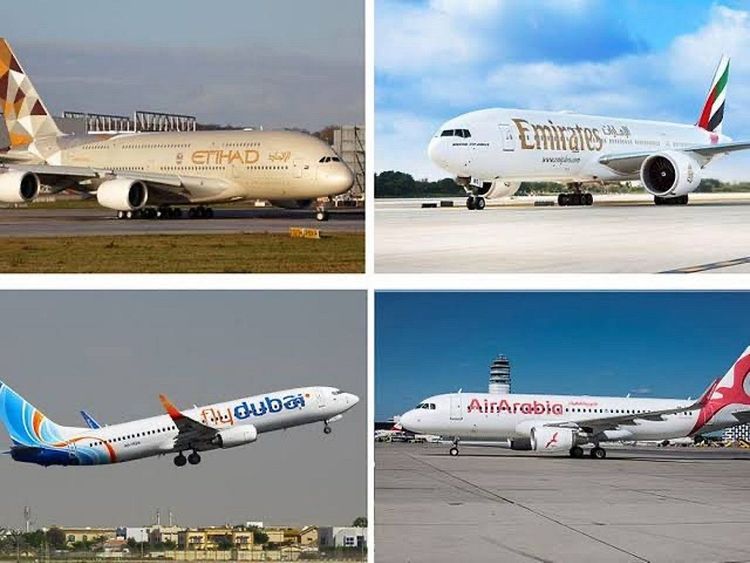
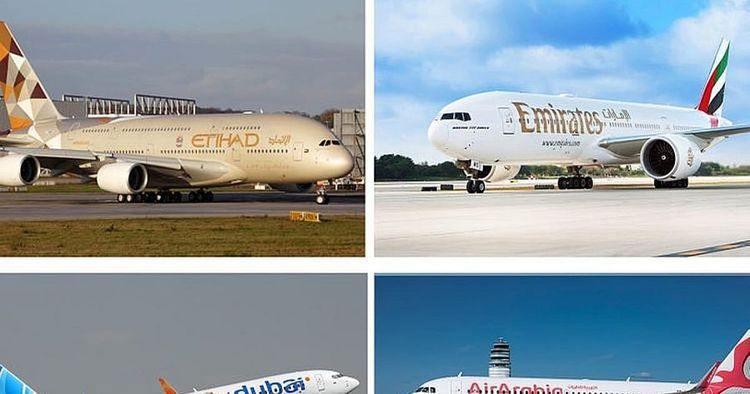
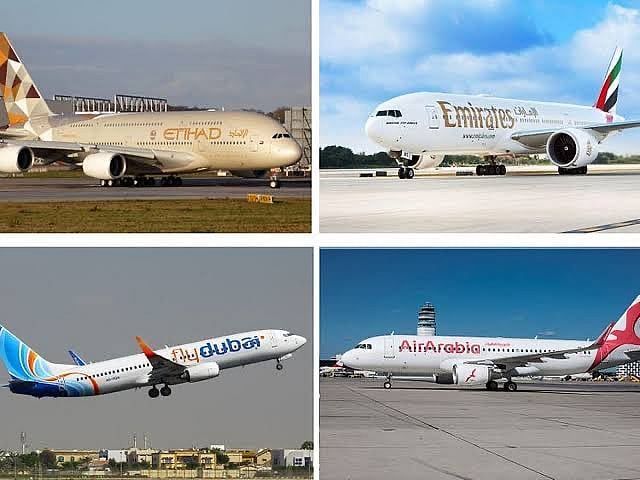
Emirates, Etihad Airways, flydubai and Air Arabia are launching new international routes across Europe, Asia, Africa and the Middle East while increasing flight frequencies and deepening codeshare partnerships to strengthen the UAE's position as a leading global aviation hub.
UAE airlines expand global networks with dozens of new routes and destinations in 2026
The UAE's national carriers are undertaking their most ambitious global expansion in years, adding dozens of new destinations and significantly increasing flight frequencies on high-demand routes as the country cements its status as one of the world's premier aviation centres.
Emirates, Etihad Airways, flydubai and Air Arabia are collectively launching services to new cities across Europe, Asia, Africa and the Levant in 2026, while expanding codeshare and interline partnerships that give passengers access to hundreds of additional destinations beyond their own networks.
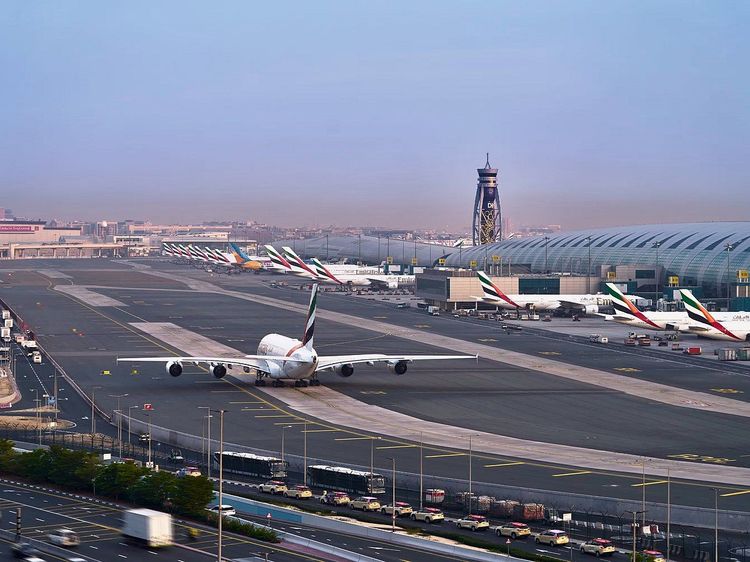
The expansion comes as Dubai International Airport continues to break records. In January 2026, the airport overtook Hartsfield-Jackson Atlanta International Airport to become the world's busiest by seat capacity, offering 5.5 million seats compared to Atlanta's 4.9 million. The airport has held the title of world's busiest international airport since 2014 and processed a record 324,000 passengers on January 3, 2026, the highest single-day total in its history.
Emirates strengthens European and Asian connections
Emirates, operating a fleet of approximately 260 aircraft including Airbus A380s, Boeing 777s and recently introduced A350s, is set to launch daily service between Dubai and Helsinki on October 1, creating the only year-round direct air link between the UAE and Finland. The airline currently serves around 140 destinations across six continents.
The carrier has also responded to growing demand by introducing a second daily service to Copenhagen and adding extra daily flights to popular leisure destinations Phuket and Cape Town.
Etihad expands African footprint
Etihad Airways announced on April 17, 2026, that it would launch services to six new African destinations from Abu Dhabi, including Accra, Asmara, Harare, Kinshasa, Lagos and Lubumbashi, with flights beginning in November 2026. The expansion marks a major push into African markets for the Abu Dhabi-based carrier.
Beyond Africa, Etihad has added Krakow, Palma de Mallorca, Damascus and Zanzibar to its network, while restoring seasonal services to Mediterranean destinations including Mykonos, Malaga, Santorini, Nice and the Egyptian resort of El Alamein. The airline has increased its summer capacity by 10 per cent compared with the previous year.
Flydubai targets underserved markets
Flydubai, which operates a fleet of 97 Boeing 737 aircraft consisting of 26 Next-Generation 737-800s, 68 Boeing 737 MAX 8s and three Boeing 737 MAX 9s, has continued its strategy of connecting underserved markets with Dubai. The carrier now flies to more than 120 destinations in 58 countries.
The airline launched flights to Benghazi in June before adding Bangkok in July and quickly upgrading the route to twice-daily service within weeks. Flydubai has also resumed flights to Aleppo and will begin daily operations to Pokhara in Nepal later this year. Since its launch, the carrier says it has opened more than 100 routes that previously had no direct air links with Dubai or were not served by a UAE national carrier.
Air Arabia extends regional network
Air Arabia has expanded its European and regional network with the launch of twice-daily flights to London Gatwick and new services to Rome Fiumicino, while resuming direct flights to Aleppo. Air Arabia Abu Dhabi has added Aleppo and Amman Civil Airport to its network and increased services to Damascus, strengthening connectivity between the UAE and the Levant.
Partnerships multiply travel options
The expansion extends beyond new routes through extensive partnership networks. By the end of March 2026, Emirates had 32 codeshare partners and 117 interline partners, giving customers access to more than 1,700 destinations worldwide. Its partnership with flydubai alone enables seamless travel to more than 240 destinations across over 100 countries, with through check-in and baggage transfers on eligible itineraries.
Etihad has also broadened its commercial network through new agreements, including a codeshare partnership with Uzbekistan Airways and a recently announced interline deal with Air Peace, providing passengers access to 20 additional destinations across Nigeria and West and Central Africa via Lagos and Accra. Etihad's partnership network now spans 46 codeshare airlines and more than 130 interline partners, providing access to over 350 destinations globally.
Infrastructure investment supports growth
The airline expansion is underpinned by major infrastructure development. A $34.85 billion expansion of Al Maktoum International Airport began in early 2026, designed to eventually accommodate 150 million passengers annually, ensuring the UAE has the capacity to support long-term aviation growth.
Dubai International Airport ranked first globally in the Air Transport Quality Index in the IMD World Competitiveness Yearbook 2026, providing international recognition of the UAE's aviation infrastructure quality.
Passenger traffic patterns reveal the geographic drivers of expansion. India was Dubai International Airport's largest market in 2025 with 11.9 million passengers, followed by Saudi Arabia at 7.5 million, the United Kingdom at 6.3 million, Pakistan at 4.3 million and the United States at 3.3 million.
Home to more than 200 nationalities, the UAE generates year-round demand for travel to a diverse range of destinations. The country's airlines are reinforcing the UAE's role as one of the world's most connected aviation and transit centres, linking passengers from across the globe through the Gulf region.