Europe extends Gulf airspace warning until August 31 as regional tensions persist
The European Union Aviation Safety Agency has prolonged its advisory against flying over the UAE, Bahrain, Qatar, Kuwait and parts of the Gulf of Oman until the end of August, citing ongoing military activity and volatile security conditions across the region.
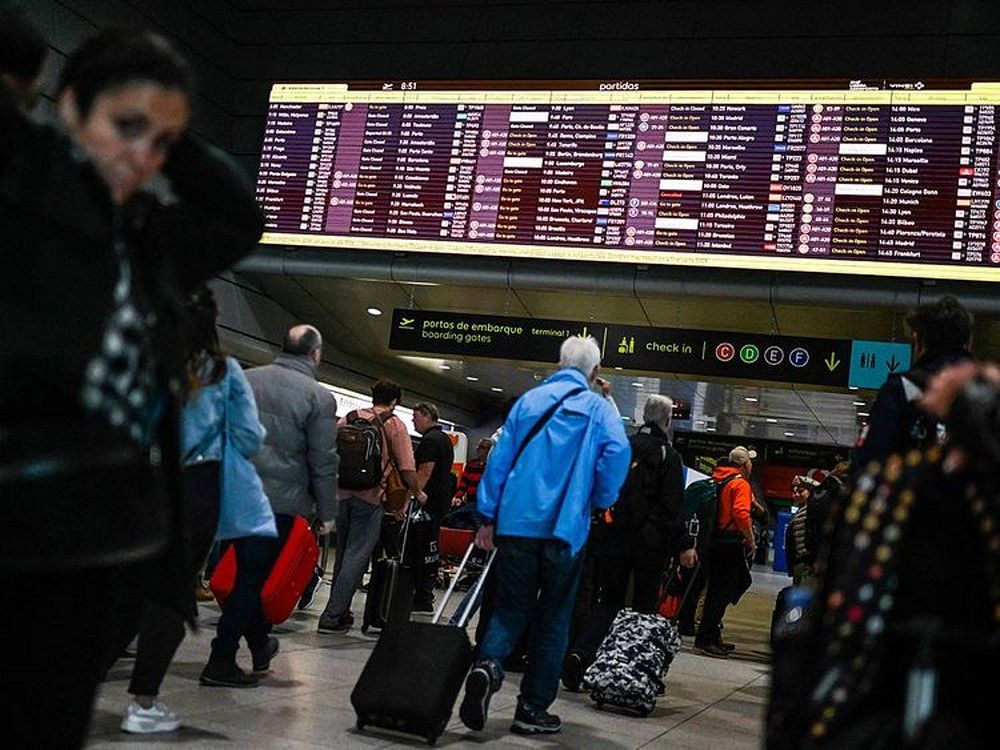
Flying through the Gulf? Europe's aviation regulator extends high-risk airspace warning
The European Union Aviation Safety Agency has extended its safety advisory warning airlines against operating in airspace over the United Arab Emirates, Bahrain, Qatar, Kuwait and parts of the Gulf of Oman until August 31, citing continuing risks from military activity across the region.
The advisory, known as a Conflict Zone Information Bulletin, was revised on July 22. EASA stated that the validity of the bulletin has been extended until the end of August, with no changes to the content or recommendations from the previous version.
A separate advisory issued the same day also recommends that airlines avoid flying through Jordanian airspace until August 31.
The announcement follows a significant escalation in the US-Iran conflict, with the United States completing a 13th consecutive night of airstrikes on Iranian military targets. Iran has rejected a temporary US ceasefire proposal, and Brent crude oil prices briefly surpassed $100 per barrel. The escalation has also prompted the United States, United Kingdom, Canada and Australia to issue travel advisories for their citizens in the Middle East.
Scope and recommendations
The bulletin applies to European airlines and third-country carriers authorised by EASA operating flights to, from and within the European Union. It covers airspace at all altitudes and flight levels over the United Arab Emirates, Bahrain, Kuwait, Qatar and parts of the Gulf of Oman west of longitude 58°E.
EASA recommends that operators do not operate within the affected airspace and instead closely monitor developments and follow official aeronautical guidance. While the advisory is not legally binding on airlines, most European carriers treat it as a direct order because ignoring such guidance and experiencing an incident could result in catastrophic legal, financial and reputational consequences.
Security situation remains volatile
According to EASA, the security situation in the Gulf remains volatile despite a memorandum of understanding signed by the United States and Iran to extend a temporary ceasefire. The agency stated that implementation of the agreement has been marked by recurrent and significant violations, creating a high level of risk across the Gulf region.
Iranian efforts to maintain control over the Strait of Hormuz, repeated attacks on commercial vessels and related US military actions continue to increase risks for civil aviation. The Strait is the world's most important oil chokepoint, with approximately 20 million barrels per day of crude oil and petroleum products transiting through it in 2025, representing roughly 25 percent of global seaborne oil trade.
EASA warned that airlines face multiple potential threats while flying through the region, including missile and drone attacks, air-defence interception activity, falling debris and combat aircraft operations. The agency stated that the heightened readiness of national and US air-defence systems increases the possibility of misidentification, unintended engagement and collateral effects affecting civil aircraft.
The agency also warned that military operations could occur with little or no warning, leaving airlines with very limited time to reroute aircraft safely. GPS jamming and spoofing has been reported across multiple Gulf airports including Bahrain, Doha, Sharjah, Abu Dhabi and Dammam, with operators experiencing complete GPS loss on arrival or departure and interference continuing into neighbouring flight information regions.
Evolving advisory framework
EASA previously maintained a broad Conflict Zone Bulletin covering the entire Middle East and Gulf regions until July 8, 2026, which was then replaced with a specialized information note and separate high-risk bulletins for Iran, Iraq and Lebanon. The Integrated EU Aviation Security Risk Assessment Group, which advises on conflict zone bulletins, is chaired by the European Commission and convenes regularly on a quarterly basis or ad-hoc when urgent circumstances dictate.
Separate warning for Jordan
EASA has also issued a new Conflict Zone Information Bulletin covering Jordan, recommending that airlines avoid operating in the country's airspace until August 31. The agency stated that the security situation has deteriorated rapidly since mid-July, with increased missile and drone activity affecting Jordanian airspace.
It noted that, despite the heightened military activity, Jordanian authorities have not introduced conflict-related airspace restrictions or route closures, leaving airlines with limited publicly available mitigation measures.
Commercial impact on airlines
Major European carriers including British Airways, Lufthansa Group airlines, Air France and KLM have suspended flights to Dubai International Airport until at least late summer or early autumn 2026 in response to the regional security situation. Airlines rerouting around restricted Middle East airspace are using northern corridors via the Caucasus and Afghanistan or southern routes via Egypt, Saudi Arabia and Oman, with both options adding 30 to 60 minutes of flight time to Europe-Asia services.
International demand for Middle Eastern carriers fell 60.8 percent year-on-year in March 2026 during the height of regional tensions, before recovering to a 28.8 percent decline by May 2026, according to data from the International Air Transport Association.
However, Emirates, Dubai International Airport's largest carrier, has maintained approximately 96 percent of its normal route network despite regional airspace restrictions, with only a handful of specific routes remaining suspended.
For passengers, the advisory does not mean commercial flights have stopped operating. Rather, it is guidance issued to airlines to help them assess operational risks and determine whether flights should be rerouted or adjusted based on the evolving security situation.