International airlines extend Middle East flight suspensions through October
Multiple carriers have pushed back resumption dates for Dubai and Gulf routes into late 2026 as regional tensions and airspace restrictions continue to disrupt travel networks across the Middle East.
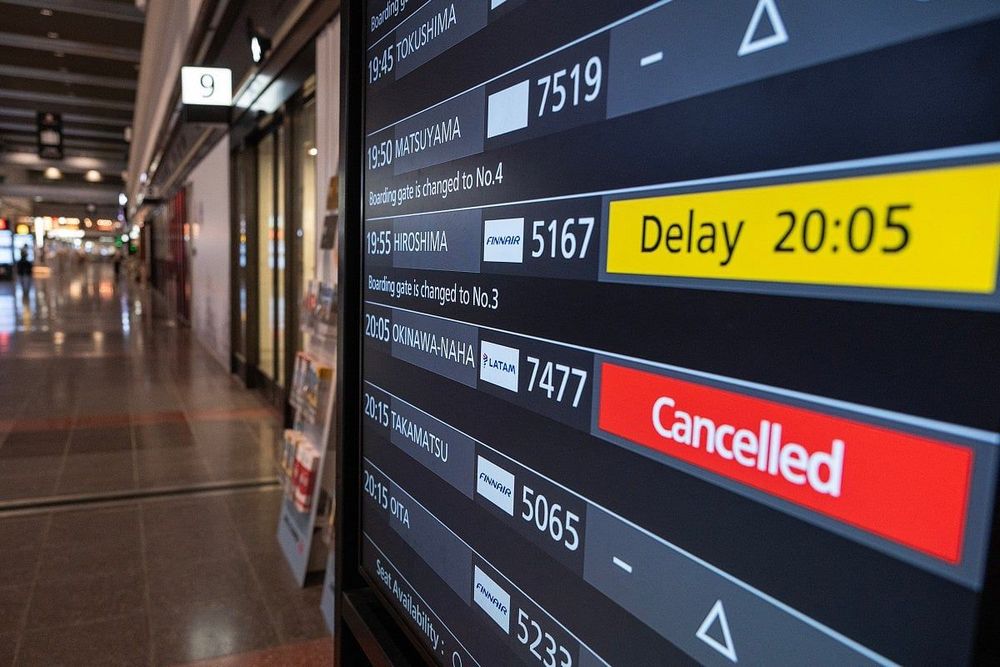
International airlines extend Middle East flight suspensions through October
Travellers holding bookings to Dubai and other Middle East destinations face extended disruptions after numerous international airlines postponed service resumptions into August, September and October, with some carriers reducing frequencies or cancelling new route launches altogether.
The widespread suspensions stem from an ongoing military conflict between the United States and Iran that began on February 28, 2026, with large-scale joint US-Israeli strikes on Iranian military targets, followed by Iranian missile and drone retaliation across the Middle East. On July 21, US forces conducted their 10th consecutive night of strikes against Iranian military installations, operations aimed at protecting commercial shipping through the Strait of Hormuz, a strategic waterway through which approximately 30 per cent of the world's seaborne-traded crude oil passes daily.
The European Union Aviation Safety Agency issued strict advisories on July 8, instructing airlines to completely avoid Iranian and Iraqi airspace until at least August 31. The targeted Conflict Zone Information Bulletins replaced broader regional warnings and reflect heightened safety concerns over the potential misidentification of civil aircraft by air defence systems during periods of tension.
Most Europe-Asia flight traffic now routes south via Egypt and Saudi Arabia or north via the Caucasus and Afghanistan, significantly increasing flight times, fuel consumption and operational costs. Several Gulf Flight Information Regions, including those covering Qatar, Bahrain and the UAE, are operating under partial closure procedures with mandatory routing structures and prior approval requirements, compressing international traffic into fewer usable corridors.
Airline-by-airline breakdown
Aegean Airlines has cancelled Dubai flights through August 31. Air Astana suspended services from Almaty and Astana to Dubai until August 31, citing conditions in the Strait of Hormuz and the wider Gulf region. Passengers are entitled to full refunds at the point of purchase, free rebooking to later dates or rebooking to other international destinations operated by Air Astana.
Air Canada extended the suspension of flights linking Toronto with Dubai and Tel Aviv until October 24. Affected passengers have been advised to contact the airline to review rebooking and refund options.
Air France plans to resume Dubai services on July 27, while Riyadh flights remain suspended until July 24 and Beirut operations until August 2. The airline noted that resumption of operations will remain subject to an assessment of the rapidly evolving security situation locally.
AirBaltic has suspended services between Riga and Dubai. British Airways flights to Dubai, Bahrain, Amman and Tel Aviv remain suspended until October 31. The carrier will cut its Doha schedule to one daily flight from August 1, while Riyadh services will drop from two daily flights to one from August 8. British Airways has permanently ended its Jeddah service.
Cathay Pacific extended the suspension of Dubai flights until October 24 and Riyadh services until October 25. The two routes had previously been expected to return on September 1. Affected travellers will be offered the flexibility to rebook, reroute or refund their tickets. The airline said it will continue to closely monitor the evolving situation in the Middle East.
Finnair has suspended flights between Helsinki and Dubai until October 24. The airline's Doha service will remain suspended during the winter season for commercial reasons. Customers booked between October 3 and March 27, 2027, are expected to be rerouted, mainly on Qatar Airways-operated flights.
ITA Airways has suspended its Dubai service until October 24. KLM flights to Dubai, Riyadh and Dammam remain suspended until August 23. The airline continues to avoid Iranian, Iraqi and Israeli airspace, along with parts of the Arabian Gulf, and has adjusted its regional schedule. Affected passengers may rebook or seek a refund, depending on their ticket conditions.
Lufthansa and Swiss flights to Dubai remain suspended until September 13. Services operated by Lufthansa, Swiss, Austrian Airlines and Brussels Airlines to Abu Dhabi, Amman, Beirut, Dammam, Riyadh, Erbil, Muscat and Tehran remain suspended until October 24. Austrian Airlines, Lufthansa and Swiss have resumed Tel Aviv flights, while Brussels Airlines continues to suspend services to the city.
Philippine Airlines has resumed flights between Manila and Doha, while Dubai services remain suspended until October 2. Scoot has suspended flights between Singapore and Jeddah until August 8. Passengers affected by cancellations may request a refund or move their booking to another Scoot flight.
Singapore Airlines has extended the suspension of Dubai flights until October 24. Services had previously been expected to return on August 2. The carrier has also postponed the launch of its Riyadh route until December 1. The airline warned that as the situation remains fluid, other flights may be affected. Passengers whose flights are cancelled will be moved to alternative services or may request a refund for the unused portion of their ticket.
Turkish Airlines has resumed flights to Dubai, Abu Dhabi, Damascus, Beirut and Amman, while services to Iran remain suspended. The carrier said some flights to and from Iran and the surrounding region have been cancelled, and that the current situation in the region's airspace is being monitored in real-time. Additional flight cancellations may occur.
Wizz Air services to Dubai, Abu Dhabi and Amman remain suspended, with operations expected to resume during September.
Operational and financial impact
Despite the wave of international carrier suspensions, Dubai International Airport recorded only 1 per cent of flights cancelled and 12 per cent delayed on July 13, comparable to major global airports. Attacks have targeted military rather than civilian sites, limiting direct aviation disruption at Gulf hubs.
Kuwait's airspace has been closed to overflights until at least August 4, with only flights arriving at or departing from Kuwait International Airport permitted, and those require prior government approval. This has further complicated routing for airlines attempting to maintain Gulf connectivity.
The International Air Transport Association projects that Middle East airlines will record a collective loss of USD 4.3 billion in 2026 due to the conflict's impact on operations, longer flight routings, higher fuel costs and increased insurance premiums. Beyond direct revenue losses, the conflict has substantially increased operating costs through longer flight routings, higher fuel consumption, insurance premiums and crew maintenance expenses.
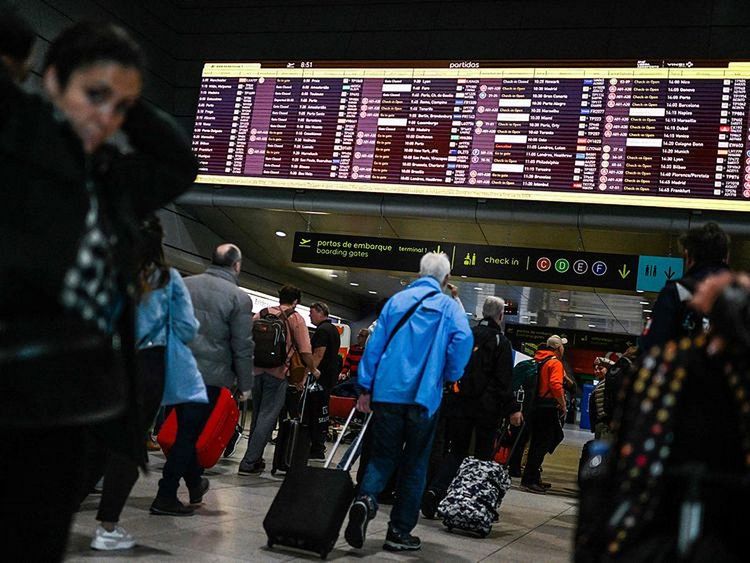
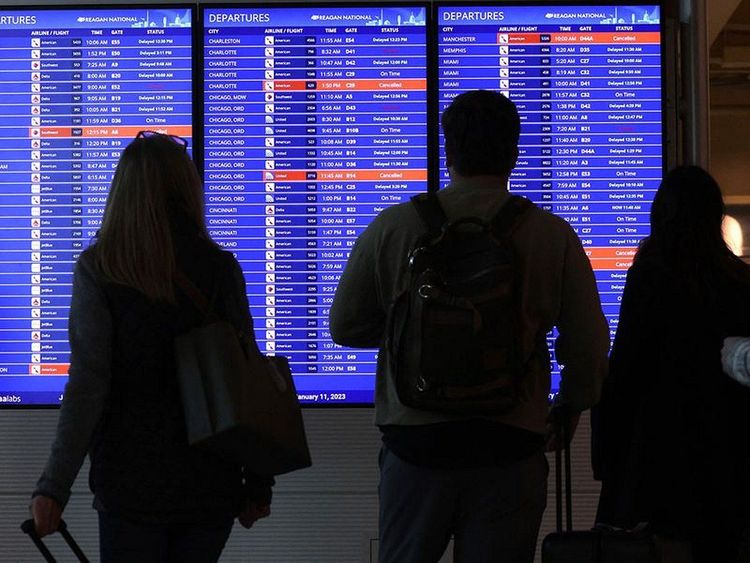
Passengers with confirmed bookings should continue checking airline websites, mobile applications and airport departure boards. Those affected by cancellations should contact the operating carrier directly to confirm whether they are eligible for rebooking, rerouting or a refund.