iPhone 17 vs iPhone 18 Pro Max: Why your current phone may be upgrade enough
The iPhone 17 brings flagship features like 120Hz ProMotion display and upgraded cameras to the standard model. With record sales and strong market reception, here's why waiting for the iPhone 18 Pro Max might not be necessary.
iPhone 17 vs iPhone 18 Pro Max: Why your current phone may be upgrade enough
The iPhone 18 Pro Max promises exciting upgrades: a variable-aperture camera, smaller Dynamic Island, advanced A20 chip, and bigger battery. But before trading in your iPhone 17, consider what you already have in hand.
Apple's current flagship represents a watershed moment for the standard iPhone lineup, delivering features previously reserved for Pro models and achieving record-breaking market success in the process.
ProMotion finally arrives for everyone
The iPhone 17 marks a significant shift in Apple's product strategy. For the first time since ProMotion debuted on the iPhone 13 Pro in September 2021, the 120Hz display technology has made its way to a non-Pro model.
The phone features a larger 6.3-inch display with slimmer borders, fitting more screen into a device that remains manageable to hold. The 120Hz refresh rate delivers noticeably smoother scrolling, more fluid animations, and improved responsiveness across everyday tasks like browsing apps and navigating long pages.
Apple has also included an always-on display, keeping essential information like time, widgets and notifications visible when the device is idle. The screen is protected by Ceramic Shield 2, which offers three times better scratch resistance than previous iPhone models. A new anti-reflective coating reduces reflections by 33%, while peak outdoor brightness reaches 3,000 nits, making the display easier to read in direct sunlight.
These display improvements alone bring the iPhone 17 closer to Pro territory than any standard model before it.
Performance that exceeds most needs
The A19 chip inside the iPhone 17 may sit below the A19 Pro in Apple's hierarchy, but it delivers flagship-level performance for the vast majority of users. Manufactured using TSMC's third-generation 3nm process, the chip features a 6-core CPU with two performance cores and four efficiency cores, paired with a 5-core GPU equipped with Neural Accelerators and a 16-core Neural Engine.
In Geekbench 6 testing, the A19 achieves approximately 3,611 points in single-core performance and 9,201 points in multi-core tests. That translates to smooth handling of demanding apps, games, multitasking, video editing, and Apple's AI features without compromise.
Apple has doubled the base storage to 256GB, with a 512GB option available. For users who capture extensive photos and video or download large apps and games, this represents a practical upgrade that extends the phone's useful lifespan.
Camera improvements go beyond megapixels
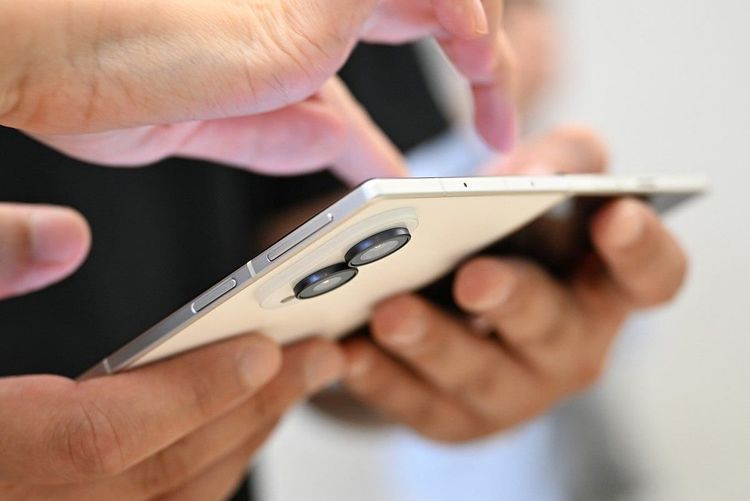
The iPhone 17 features dual 48MP rear cameras, including an upgraded ultra-wide camera that brings more detail to wider shots and improves macro photography capabilities. The main camera continues to deliver reliable, natural-looking images across various lighting conditions, while producing high-quality 2x crops, though optical telephoto zoom remains exclusive to Pro models.
The front-facing camera receives a substantial upgrade to 18MP with a wider, more flexible sensor. The system can automatically adjust framing to accommodate group shots regardless of phone orientation, eliminating the need to squeeze everyone together or hold the device at awkward angles. The phone also supports simultaneous recording from front and rear cameras.
Market reception validates the upgrade
Consumer response to the iPhone 17 has been emphatic. Apple is projected to ship 247.4 million iPhones in 2025, representing a 6.1% year-over-year increase and surpassing the previous record of 236 million devices sold in 2021 with the iPhone 13.
In China, one of Apple's most critical markets, iPhone 17 sales surged 22% in the first month following the September 2025 launch. The iPhone 17 series accounted for approximately 80% of Apple's smartphone units sold to Chinese consumers during the initial launch period, reversing the decline seen with the iPhone 16.
Apple's smartphone revenue in 2025 is forecast to exceed $261 billion with 7.2% year-over-year growth, marking a record period for both shipments and value. Apple CEO Tim Cook described the iPhone sales surge as
simply staggering.
According to analyst estimates, approximately 315 million iPhone users worldwide had not upgraded their smartphones in more than four years as of early 2026. This pent-up demand helps explain why the iPhone 17 has resonated so strongly with consumers seeking a meaningful upgrade.
What the iPhone 18 Pro Max could bring
The upcoming iPhone 18 Pro Max will likely feature noteworthy improvements, led by a variable-aperture camera system. This technology, which Samsung first introduced to smartphones with the Galaxy S9's Dual Aperture system in 2018, allows the lens to physically adjust its opening size. By switching between different aperture settings, the camera can optimize exposure in varying lighting conditions and control depth of field more precisely.
The expected A20 chip will be manufactured using TSMC's 2nm process technology, which began mass production in Q4 2025. Industry projections suggest the A20 could deliver up to 15% performance improvement and 30% better energy efficiency compared to the A19, with predicted Geekbench scores around 4,200 single-core and exceeding 10,000 multi-core.
The manufacturing advancement represents a significant technological leap, though TSMC's 2nm wafers carry premium pricing at approximately $30,000 per unit, which could influence device costs.
Additional expected changes include a smaller Dynamic Island, slimmer bezels, a larger battery potentially exceeding 5,000mAh capacity, improved connectivity, and new color options. The overall design is anticipated to remain familiar rather than radically reimagined.
The upgrade decision comes down to needs, not hype
The iPhone 18 Pro Max will almost certainly be a better phone than the iPhone 17. That has never been in question. What matters is whether its improvements justify moving on from a device that already delivers ProMotion display technology, always-on screen capability, flagship performance, doubled base storage, enhanced cameras, and battery life sufficient for full-day use.
For users who prioritize advanced camera hardware, maximum performance benchmarks, and the longest possible battery life, the iPhone 18 Pro Max will offer compelling reasons to upgrade. For everyone else, the iPhone 17 has already narrowed the gap between standard and Pro models to the point where the next generation becomes a question of preference rather than necessity.
The iPhone 17 is not yesterday's phone. It is a substantial upgrade that brings features previously exclusive to Pro models to a broader audience, backed by record sales figures that suggest consumers recognize its value.
Before deciding that the iPhone 18 Pro Max makes your current phone obsolete, consider what you already own. The answer to whether you should upgrade may be simpler than the marketing cycle suggests.