Oil prices surge toward $100 as US-Iran conflict strangles critical Gulf shipping route
Brent crude approaches $100 per barrel as escalating US-Iran hostilities disrupt tanker traffic through the Strait of Hormuz, threatening global energy supplies and raising inflation concerns worldwide.
 Layla Haddad
Oil prices surge toward $100 as US-Iran conflict strangles critical Gulf shipping route
Global oil markets are experiencing sharp price increases as the ongoing conflict between the United States and Iran threatens to choke off energy flows through the Strait of Hormuz, with Brent crude climbing toward $97 per barrel and analysts warning of potential moves above $100.
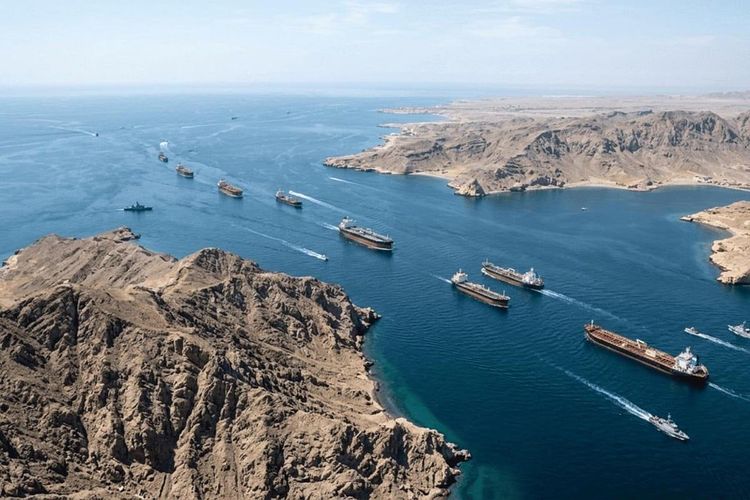
The strategic waterway, measuring just 21 nautical miles wide at its narrowest point with shipping lanes only two miles wide in each direction, has seen dramatic reductions in vessel traffic as military confrontations escalate. Under normal conditions, approximately 100 cargo-carrying vessels transit the strait daily, with 60 to 70 percent being oil tankers and gas carriers. Recent data shows that number has plummeted to roughly 10 ships per day over the past 10 days, marking the lowest traffic levels since May.
Brent crude, the international benchmark, reached an intraday peak of $98.06 on Monday before settling at $97.31, while US West Texas Intermediate crude traded around $92.53. UAE's Murban crude stood at approximately $106.80. The rally represents a nearly 19 percent increase over the past month and about 9 percent over the previous five days.
Military strikes compound supply disruptions
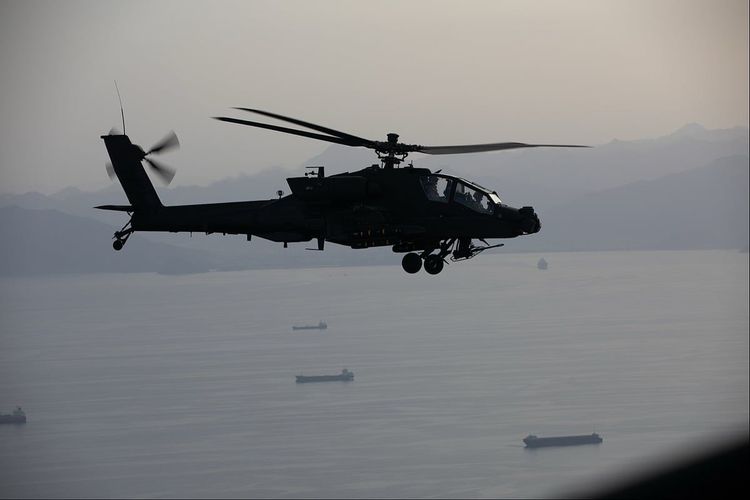
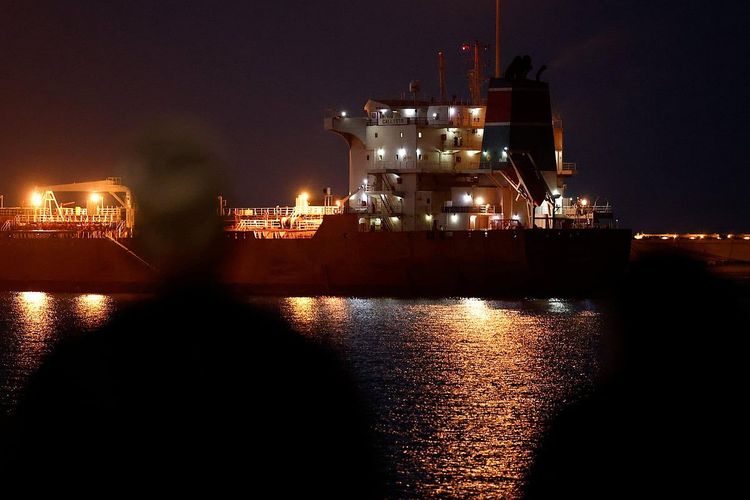
The latest price surge followed weekend incidents in which US forces struck three Iranian oil tankers after Iran launched ballistic missiles toward two American Navy warships, according to US Central Command. Iran has responded by threatening additional maritime actions and announcing plans to establish a restricted zone around the strait.
The conflict originated on February 28, 2026, when the United States and Israel launched Operation Epic Fury and Operation Roaring Lion, conducting strikes against Iranian targets including Supreme Leader Ali Khamenei.
The strait normally handles approximately 20 million barrels per day of crude oil and petroleum products, representing roughly 25 percent of global seaborne oil trade. China receives 37.7 percent of these flows, making it the single largest destination, followed by India at 14.7 percent, South Korea at 12.0 percent, and Japan at 10.9 percent. This concentration means Asian economies face particularly acute exposure to the current disruption.
Saudi Arabia accounts for 37.2 percent of crude exports transiting the waterway, with Iraq contributing 22.8 percent, the UAE 12.9 percent, Iran 10.6 percent, and Kuwait 10.1 percent.
Regional infrastructure under pressure
Adding to market concerns, a Saudi Aramco facility in Jizan was reportedly attacked for the second time in a month. The refinery, which has processing capacity of 400,000 barrels per day and represents a $21 billion investment, is among Saudi Aramco's newest installations. The incident raises questions about regional refining capacity and compounds supply anxieties beyond crude production alone.
The disruption extends beyond oil. Approximately 20 percent of global liquefied natural gas trade also passes through the strait, with Qatar and the UAE collectively accounting for nearly 20 percent of worldwide LNG exports.
While Saudi Arabia and the UAE maintain alternative pipeline routes with combined capacity of 3.5 to 5.5 million barrels per day that bypass the strait, this infrastructure cannot fully compensate for a complete closure. Other major producers including Iran, Iraq, Kuwait, Qatar, and Bahrain depend almost entirely on Hormuz for their exports.
Economic implications broaden
The approaching $100 threshold carries significant economic consequences. According to International Monetary Fund assessments, a sustained 10 percent increase in oil prices could raise global inflation by approximately 0.4 percentage points, adding pressure on central banks and household budgets.
US gasoline prices stood at around $4.15 per gallon on Monday, up from $4.08 the previous week. For major oil-importing economies across Asia, Europe, and elsewhere, sustained prices near or above $100 could widen trade deficits and complicate monetary policy decisions.
Goldman Sachs has projected that Brent could reach $120 per barrel if attacks on Middle Eastern shipping intensify further.
The immediate question facing energy markets centers on whether current disruptions prove temporary or evolve into prolonged closure. If normal shipping operations resume, some of the geopolitical risk premium could dissipate quickly. However, continued military confrontations or expanded Iranian restrictions could make insurers and shipping operators increasingly reluctant to transit the area, potentially stranding millions of barrels of crude and petroleum products.
For now, oil markets are sending a clear signal: the closer the US-Iran conflict moves toward sustained combat over control of the Strait of Hormuz, the closer Brent moves toward $100 and potentially beyond.