Red Sea disruption threatens month-long delays for Asian oil deliveries
Houthi advances around Bab al-Mandab Strait force tankers onto lengthy African detours, pushing Brent crude above $100 and threatening supply routes that carried millions of barrels daily before the crisis.
 Layla Haddad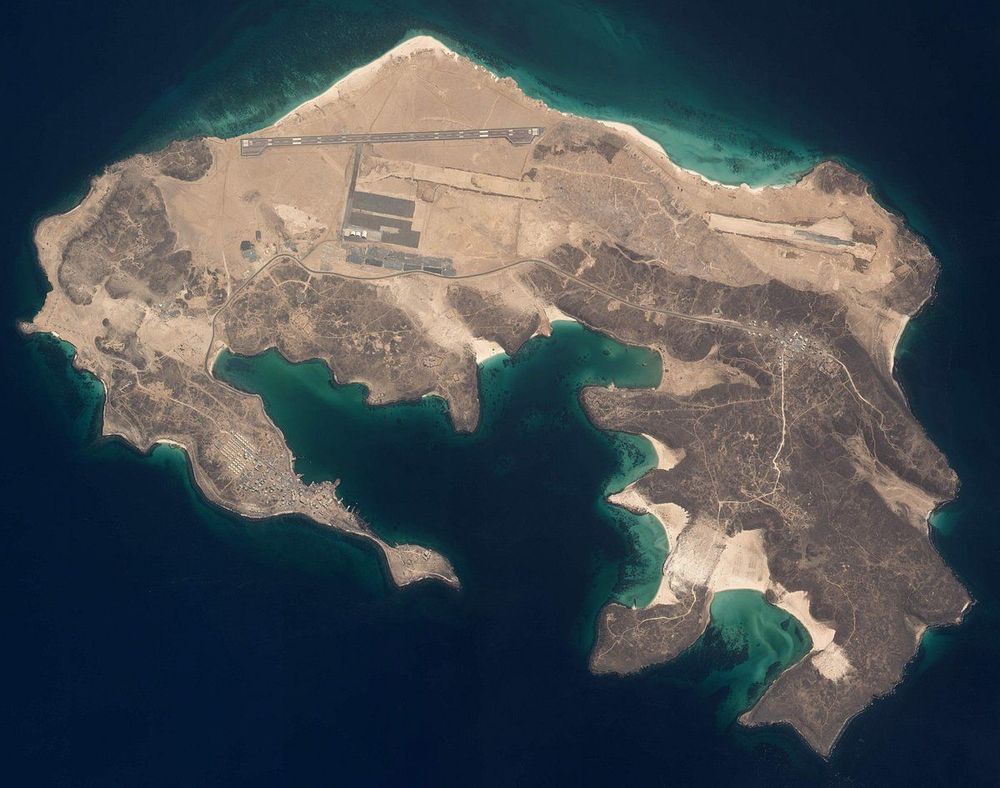
Red Sea disruption threatens month-long delays for Asian oil deliveries
Escalating conflict around the Red Sea could force oil tankers bound for Asia to endure voyages lasting up to a month longer than normal, as Iran-backed Houthi militants tighten their grip on one of the world's most critical maritime chokepoints.
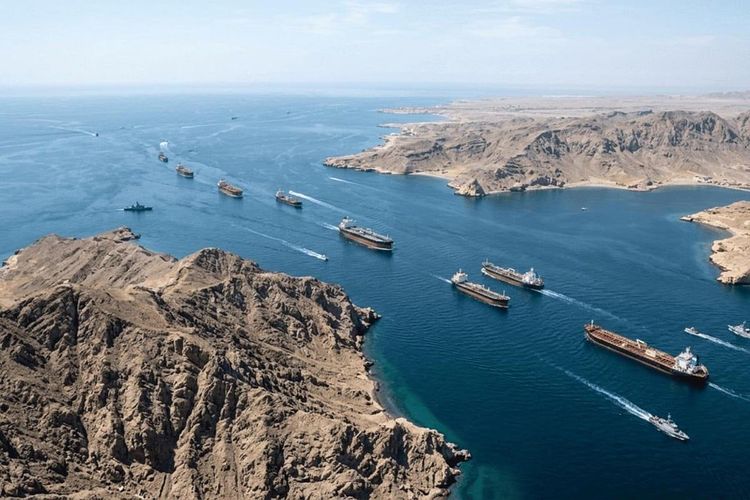
The threat centers on the Bab al-Mandab Strait, the narrow gateway linking the Red Sea with the Gulf of Aden and the Indian Ocean. Houthi forces have captured the Yemeni port city of Mocha, located approximately 50 miles north of Perim Island, and according to Yemeni government sources cited by CNN, have now seized the strategic island itself.
Perim Island, roughly 13 square kilometers in size, sits at the narrowest point of the strait where the distance between the Horn of Africa and the Arabian Peninsula shrinks to just 12 miles. The island divides Bab al-Mandab into two channels, with tanker traffic limited to two 2-mile-wide passages for inbound and outbound shipments at the strait's 18-mile-wide narrowest section.
The strategic significance extends far beyond Yemen's borders. Since the US-Iran war severely curtailed shipping through the Strait of Hormuz, the Red Sea has become an increasingly vital alternative route for moving Middle East crude to global markets.
From lifeline to vulnerability
Before the conflict, roughly 20 million barrels of oil passed through the Strait of Hormuz daily—around one-fifth of global supply. When that route was disrupted, Saudi Arabia increasingly redirected crude through its East-West Pipeline to the Red Sea port of Yanbu.
The 1,200-kilometer pipeline, also known as the Petroline, was originally built in 1981 as an alternative export route when tanker navigation in the Persian Gulf was threatened during the Iran-Iraq War. Equipped with 13 pumping stations along its route from eastern oil fields to Yanbu, the pipeline has a maximum capacity of 7 million barrels per day.
At its peak following the Hormuz disruption, around 4.5 million barrels daily were being exported from Yanbu, according to Richard Bronze, co-founder of Energy Aspects. Approximately 3 million barrels per day then traveled south through Bab al-Mandab.
That flow has collapsed dramatically. Saudi crude passing through Bab al-Mandab dropped to around 400,000 barrels daily in August due to the Houthi threat and has fallen further since, Bronze told CNN. The decline is striking when measured against historical volumes: before 2018, approximately 6.2 million barrels per day of crude oil, condensate and refined petroleum products flowed through the strait, accounting for about 9 percent of total seaborne-traded petroleum globally.
The African detour
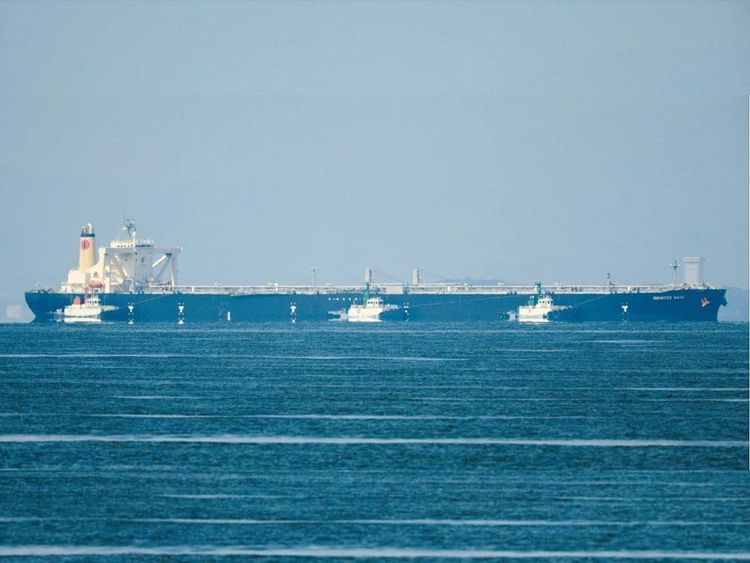
If tankers cannot safely travel south through Bab al-Mandab, cargoes bound for Asia face an extraordinary rerouting. Vessels would need to sail north through the 193-kilometer Suez Canal into the Mediterranean, travel down the western coast of Africa, round the Cape of Good Hope and then cross the Indian Ocean toward Asian customers.
The alternative route around Africa's Cape of Good Hope adds approximately 4,300 nautical miles to voyages between the Persian Gulf and Europe, increasing transit time by 7 to 10 days compared to using the Suez Canal route through the Red Sea. For Asian destinations, the additional journey time could approach a month while dramatically increasing costs for fuel, freight, insurance and crews.
The longer voyages also absorb vessel capacity that would otherwise be available for other shipments. Cape of Good Hope diversions tie up approximately 5 to 7 percent of global container vessel capacity by keeping ships at sea for extended periods, effectively removing 1.3 to 1.8 million twenty-foot equivalent units from available shipping capacity.
Asian refiners seek alternatives
The problem for Asia extends beyond longer transit times. Refineries require reliable crude supplies, and uncertainty over Middle East shipments is already prompting buyers to seek barrels elsewhere.
Asian refiners have been searching for alternatives and bidding up cargoes from other regions, Bronze said, contributing to sharp increases in crude prices. That competition matters because Asia is the destination for a large share of Middle East oil exports, meaning the disruption spreads well beyond tankers actually sailing through the Red Sea.
Shipping traffic through Bab al-Mandab was already well below historical levels following earlier Houthi attacks. Xeneta chief analyst Peter Sand estimates vessel transits have fallen by between 60 and 70 percent since shipping companies began diverting vessels away from the Red Sea in late 2023. Transits have dropped another 46 percent in recent days amid the latest fighting.
Price surge and broader impacts
Markets have reacted sharply to deteriorating shipping security. Brent crude surged above $109 per barrel on Thursday before easing to around $104 on Friday—still its highest level since July.
The Houthi advances are not the only factor driving prices higher. Analysts point to a combination of Red Sea disruption, production cuts and attacks on other energy infrastructure. But the tightening squeeze on two crucial waterways has added another layer of uncertainty to a market already struggling with reduced supplies.
The consequences could eventually reach consumers far from the Middle East. Longer voyages mean ships consume more fuel and remain occupied longer, reducing available tanker capacity and pushing freight costs higher. Higher crude prices also feed into diesel, petrol, aviation fuel and other products.
US diesel prices, for example, have risen more than 50 percent since the Iran war began and topped $6 per gallon on Friday for the first time, according to AAA data cited by CNN.
The danger is not simply that one shipping route has become harder to use. The alternative created when Hormuz was squeezed is itself becoming increasingly risky—forcing oil to travel farther, take longer and cost more to reach the economies that depend on it.