Twin chokepoints squeeze Middle East oil exports as Hormuz crisis spreads to Red Sea
Shipping through the Strait of Hormuz has collapsed to just 19 vessels daily from 130 before the war, while Iran-backed Houthi gains at Bab al-Mandab now threaten the main alternative route for Gulf energy exports.
 Layla Haddad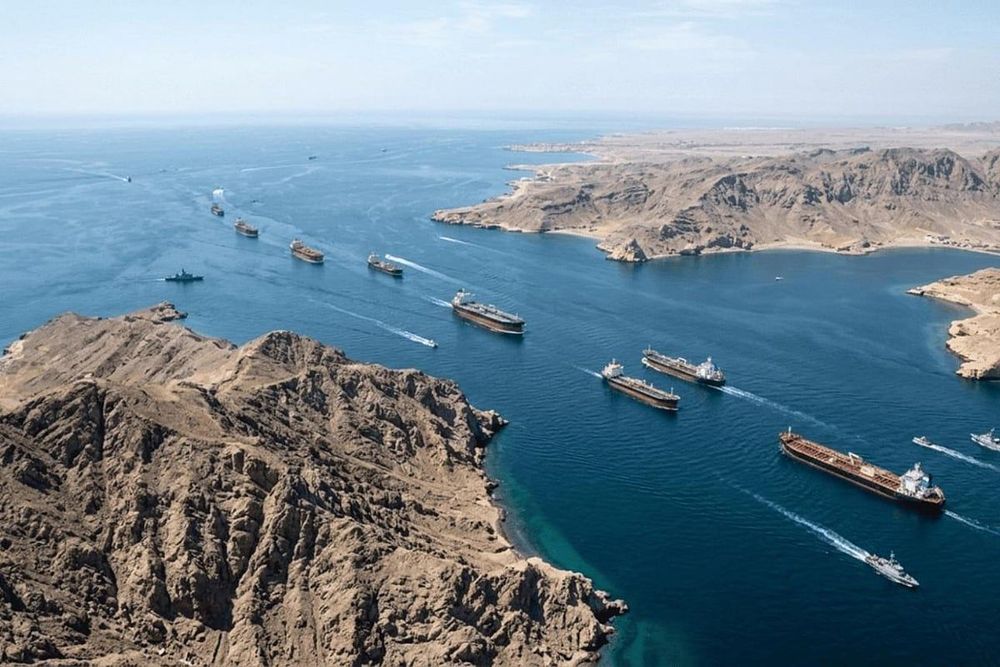
Twin chokepoints squeeze Middle East oil exports as Hormuz crisis spreads to Red Sea
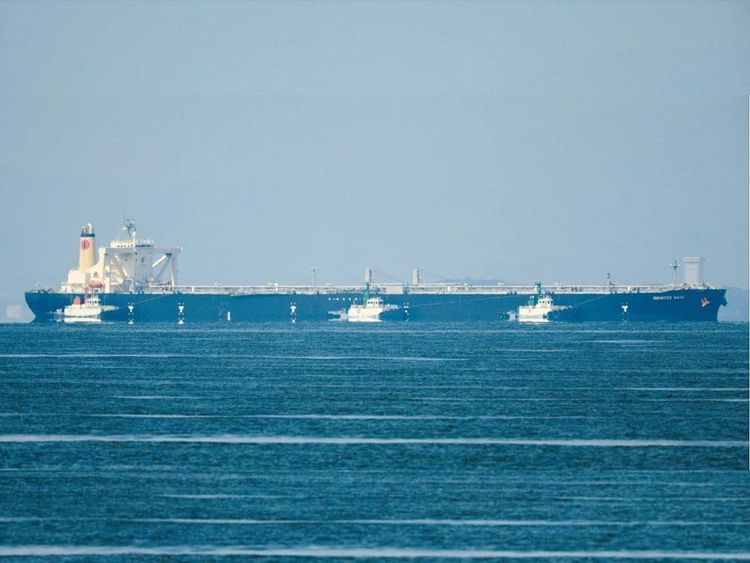
The Strait of Hormuz, through which approximately 20 million barrels per day of crude oil and petroleum products flowed before the 2026 Iran war—representing roughly 25% of global seaborne oil trade and one-fifth of world oil consumption—has become severely restricted. Average daily vessel passages through the strategic waterway have plummeted from around 130 ships before the conflict to just 19 in September, according to ship-tracking data.
The dramatic reduction in traffic through the narrow strait, which measures only 21 nautical miles wide at its narrowest point with designated shipping lanes just 2 miles wide in each direction, has forced Gulf producers to seek alternative export routes. Iran's restrictions following the first US and Israeli strikes on February 28 effectively choked off what had been the primary artery for the region's energy exports.
Saudi Arabia initially relied on its East-West Pipeline, which can carry up to 7 million barrels per day across approximately 750 miles from oil fields at Abqaiq in the Eastern Province to the Red Sea port of Yanbu. This infrastructure allowed the kingdom to bypass Hormuz entirely, sending crude through the Red Sea towards Asian markets that absorbed about 84% of oil shipped through Hormuz in 2024, including China, India, Japan and South Korea.
Shipments from Yanbu surged to approximately 3.8 million barrels per day between March and July 2026—roughly five times their pre-war level—as the kingdom leveraged its geographic advantage. But that alternative route is now under growing pressure.
Houthi advances threaten Red Sea corridor
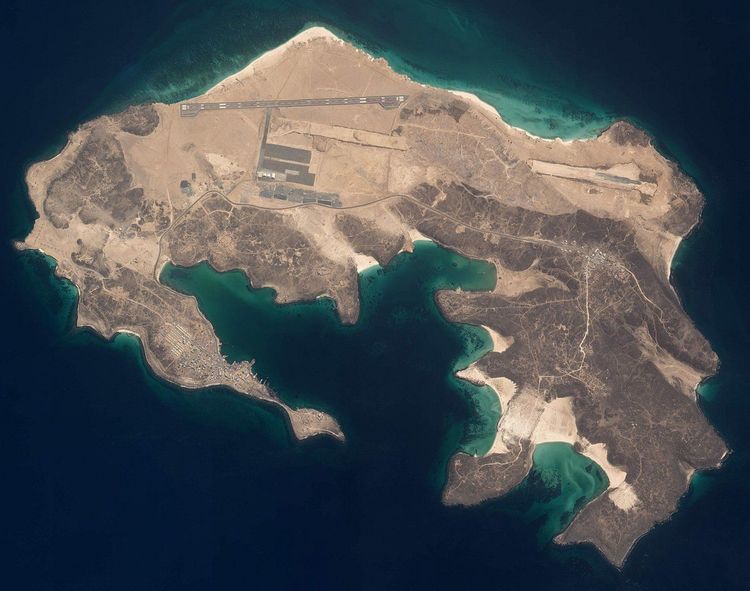
Iran-backed Houthi militants have captured the strategic port city of Mocha and seized Perim Island, according to Yemeni government sources. The 13-square-kilometer island sits directly in the Bab al-Mandab Strait, dividing the waterway into two channels and giving whoever controls it significant capability to monitor and potentially disrupt shipping.
Before the war, Bab al-Mandab carried approximately 12% of global seaborne oil trade, making it a significant secondary chokepoint. The strait measures approximately 18 miles wide at its narrowest point, with tanker traffic restricted to two 2-mile-wide shipping channels—geographic constraints similar to those at Hormuz.
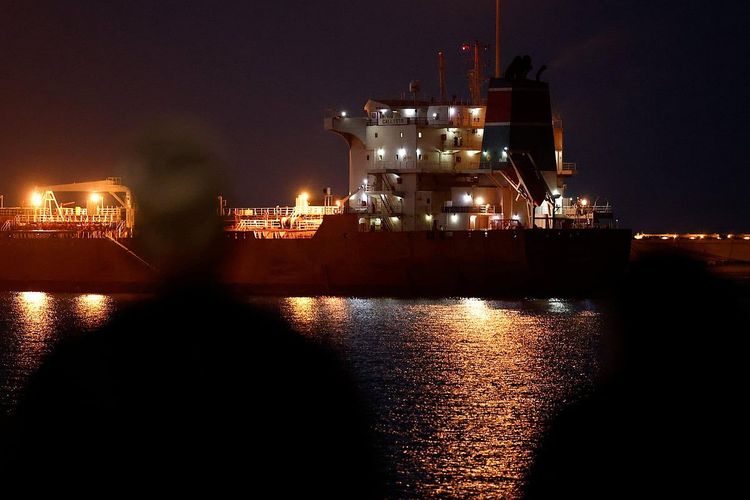
The Houthi gains have already impacted Saudi exports. Only two Saudi cargoes passed through Bab al-Mandab out of the Red Sea in the past week, according to Kpler data. Shipments from Yanbu fell sharply to 1.5 million barrels per day in August after the Houthis resumed attacks on Saudi shipping in July.
Saudi Arabia's Energy Ministry reported that the East-West Pipeline had been targeted multiple times and was shut as a precautionary measure, further complicating the kingdom's export options.
Hormuz passage remains perilous
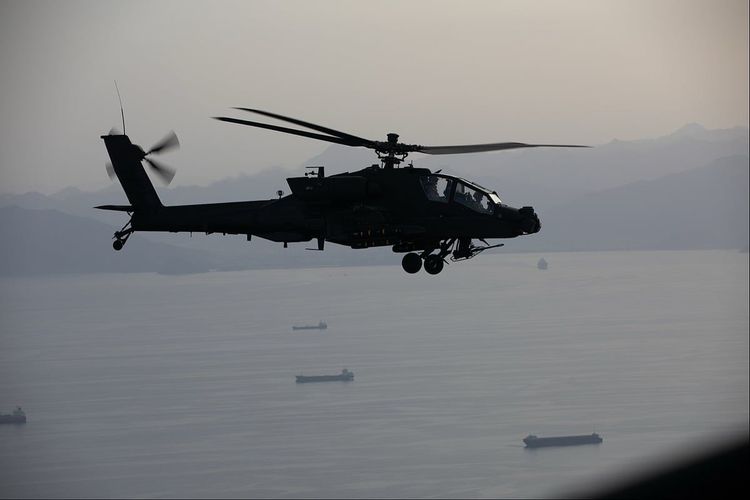
The US Navy has managed to keep limited traffic moving through waters close to Oman, away from the Iranian coast, but the operation has grown increasingly dangerous. At least 23 vessels were hit in waters near Oman during July and August. Since the war began in late February, at least 22 sailors have been killed in the Middle East.
On Thursday, Kpler recorded only nine ships passing through the strait. Even shipowners accustomed to operating in high-risk regions are becoming reluctant to enter the area as attacks intensify.
The impact is visible in export figures. Crude exports from Gulf countries excluding Iran were about two-thirds of their prewar level in August, according to Windward analyst Michelle Wiese Bockmann.
Limited alternatives carry high costs
Saudi Arabia retains one additional option: sending oil north through the Red Sea towards the Suez Canal and Mediterranean rather than south through Bab al-Mandab. But for cargoes destined for Asian customers, this route means a substantially longer and more expensive journey.
If Bab al-Mandab becomes effectively closed, tankers would be forced to divert around the southern tip of Africa via the Cape of Good Hope route, significantly increasing transit time and shipping costs for oil moving from the Persian Gulf to Europe and Asia.
An effective Houthi blockade could also force Washington to devote additional military resources to protecting Red Sea shipping, potentially weakening the US ability to maintain vessel protection through Hormuz, according to CNN.
The disruption extends beyond crude oil. Approximately 20% of global liquefied natural gas trade also transited through Hormuz in 2024, primarily from Qatar, adding another energy dimension to the crisis.
Markets reflect mounting pressure
Energy markets are responding to the escalating risks. Oil briefly climbed above $108 a barrel on Friday following intensifying Houthi attacks—roughly 50% above prewar levels.
The effects are spreading across fuel markets. Average US gasoline prices have risen above $4 a gallon, while diesel—vital for trucking, farming and industry—has climbed above $6 a gallon.
The danger facing global energy markets is not that Middle East oil suddenly has no route to world markets. Rather, the routes that remain are becoming more dangerous, more expensive or more dependent on military protection. A conflict that initially centered on one of the world's great energy chokepoints is now applying simultaneous pressure to a second, potentially compounding the disruption to global oil flows.