US crude inventories climb 7.1 million barrels as Middle East conflict chokes global oil transit
American Petroleum Institute data shows sharp rises in crude, gasoline and distillate stocks for the week ended Sept. 11, as prolonged US-Iran hostilities severely disrupt shipping through the Strait of Hormuz and damage critical pipeline infrastructure.
 Layla Haddad
US crude inventories climb 7.1 million barrels as Middle East conflict chokes global oil transit
United States crude oil inventories surged by 7.1 million barrels in the week ended September 11, while gasoline stocks rose 1.5 million barrels and distillates — which include diesel fuel and heating oil — gained 1.6 million barrels, according to preliminary data from the American Petroleum Institute.
The inventory build comes against a backdrop of escalating Middle East disruptions tied to the prolonged US-Iran conflict. Oil prices have climbed above $100 a barrel, with Brent reaching approximately $107.90 and West Texas Intermediate trading above $104.95 as of 9:47 AM Tokyo time on Wednesday, September 16, 2026.
The API figures, released every Tuesday at 4:30 PM Eastern Time through its Weekly Statistical Bulletin — a publication the institute has issued since 1929 — serve as a closely watched preview of official government data. The API uses the same cut-off sampling method as the Energy Information Administration, targeting companies based on refinery and storage capacity, and maintains a response rate of approximately 90% from US refiners, bulk storage terminals, pipelines and importers.
Hormuz transit collapses to four vessels daily
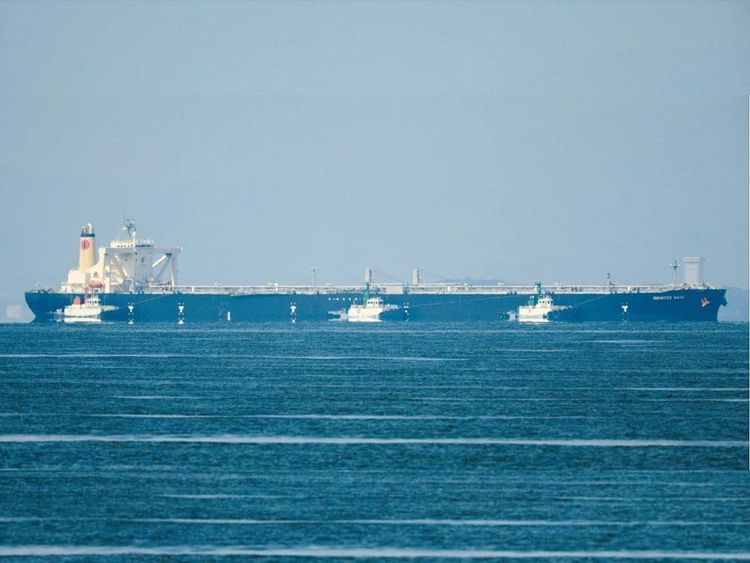
The critical issue driving market uncertainty is the near-total shutdown of the Strait of Hormuz. Reuters reported September 15 that only four commodity vessels crossed the waterway on Monday, compared with a pre-conflict average of about 125 daily transits.
The strait normally handles approximately 20 million barrels per day of crude oil and petroleum products, representing about 20% of global petroleum consumption and approximately 25% of seaborne oil trade, with most exports destined for Asian markets. The waterway also carries roughly 20% of global liquefied natural gas trade, with Qatar and the United Arab Emirates routing about 93% and 96% of their LNG exports respectively through the chokepoint.
In 2024, China, India, Japan and South Korea received 69% of all crude oil flowing through the Strait of Hormuz, making these Asian economies the most vulnerable to extended supply disruptions.
Saudi pipeline adds to supply pressure
Compounding the Hormuz bottleneck, Saudi Arabia's East-West Pipeline has been disrupted, adding pressure to alternative export routes. The 1,200-kilometre pipeline, which connects eastern oil fields to the Red Sea port of Yanbu, was expanded to a capacity of 7 million barrels per day as of 2026, up from its historical capacity of 5 million barrels per day.
Only Saudi Arabia and the UAE possess pipeline infrastructure capable of bypassing the Strait of Hormuz, with combined available bypass capacity estimated at 3.5 to 5.5 million barrels per day — covering barely a quarter of what normally transits through the strait. The disruption to Saudi Arabia's main bypass route further limits options for rerouting Middle East crude.
Inventory build does not signal adequate global supply
Higher US inventories do not necessarily indicate the global oil market is adequately supplied. The United States can build stocks while international supplies remain constrained by shipping bottlenecks, damaged infrastructure and reduced exports from the Middle East.
The US Strategic Petroleum Reserve currently holds approximately 285.4 million barrels of crude oil as of September 4, 2026, representing about 40% of its 714 million barrel authorized capacity. This marks the reserve's lowest level since 1982, following releases during the Russia-Ukraine war and the Iran conflict.
The Energy Information Administration's official Weekly Petroleum Status Report, released every Wednesday at 10:30 AM Eastern Time, will provide definitive government data and additional details on crude production, refinery utilisation, imports, exports and petroleum product demand. The EIA report offers the most comprehensive weekly data on US crude oil and refined petroleum product balances.