Oil prices surge to multi-month highs amid Strait of Hormuz crisis
Brent and WTI crude futures reached their highest settlement levels since May 19, driven by mounting supply concerns following the closure of the Strait of Hormuz, the world's most critical oil transit chokepoint.
 Layla Haddad
Oil prices surge to multi-month highs amid Strait of Hormuz crisis
Oil prices rallied by roughly three dollars at Tuesday's settlement, propelled by escalating supply fears and ongoing uncertainty surrounding the reopening of the Strait of Hormuz, which normally carries approximately 20 million barrels of oil per day—representing about 20% of global oil consumption and up to 27% of all seaborne oil trade.
Brent crude futures stood at $107.84 per barrel as of 9:47am in Tokyo on Wednesday (September 16), while US West Texas Intermediate futures reached $104.89 per barrel. Both contracts hit their highest settlement levels since May 19. Murban Crude, the UAE's flagship crude oil grade produced by ADNOC, declined to $123.76 per barrel, down 3.13%.
The price surge follows Iran's closure of the Strait of Hormuz to foreign shipping on March 2, 2026, in response to US and Israeli airstrikes on Iranian targets that began on February 28. The International Energy Agency has characterized the disruption as the largest supply shock in the history of the oil market, with more than 95% of traffic through the strait diverted when Iran threatened to attack vessels.
American crude gains ground
Gains in US WTI futures outpaced Brent as supply fears in the Middle East prompted investors to seek alternatives in American crude. This represents an unusual market dynamic, as WTI typically trades at lower prices than Brent due to its landlocked location at Cushing, Oklahoma, which requires additional transportation costs to reach coastal export markets. Brent, being seaborne with direct access to international markets, normally commands a premium.
The closure has particularly severe implications for Asian economies. China and India collectively receive over half of all crude oil volumes that normally pass through the waterway, with China alone accounting for approximately 37.7% of total flows and India receiving 14.7%. This concentration of demand explains why the disruption continues to exert substantial upward pressure on global oil prices.
Limited alternatives intensify crisis
While alternative pipeline routes exist around the Strait of Hormuz, their capacity falls far short of meeting global demand. Saudi Arabia's East-West pipeline can handle approximately 5 million barrels per day, and the UAE maintains pipeline capacity to Fujairah, but these alternatives cannot match the strait's normal capacity of about 20 million barrels per day.
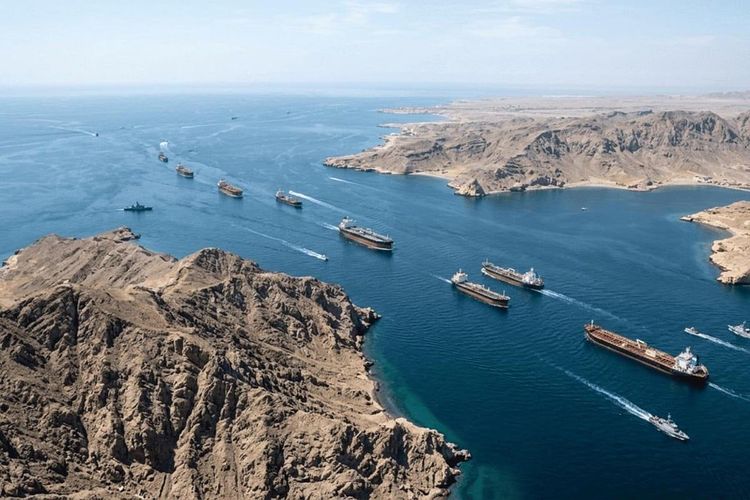
By early May 2026, more than 1,550 commercial vessels and around 22,500 mariners were reportedly trapped in and around the Strait of Hormuz, with traffic running at roughly 5% of normal levels. War-risk insurance premiums for tankers transiting the region have spiked to several times pre-crisis levels, with some protection-and-indemnity cover withdrawn entirely, adding significantly to shipping costs and further pressuring oil prices upward.
The combination of reduced supply, limited alternative routes, and elevated shipping costs continues to support elevated oil prices as markets await clarity on when normal transit operations through the strait might resume.