Sheikh Khalifa Medical City surpasses 845 kidney transplants as UAE expands organ donation network
SKMC has performed over 845 kidney transplants since its programme began, including 134 kidney and 37 liver transplants in 2025 alone, as the UAE strengthens its position as a regional leader in organ transplantation.
Sheikh Khalifa Medical City surpasses 845 kidney transplants as UAE expands organ donation network
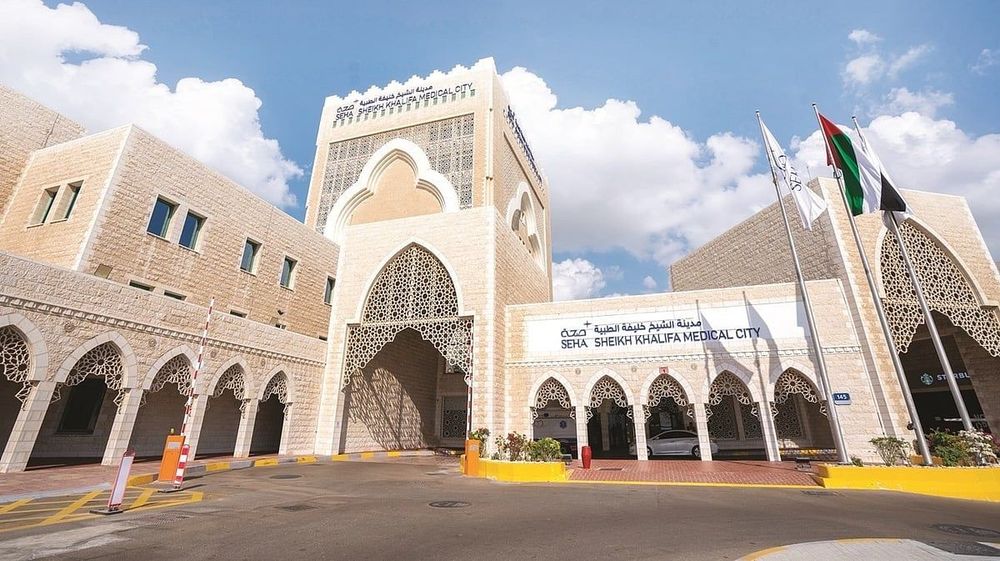
Sheikh Khalifa Medical City (SKMC) – SEHA has reached a significant milestone, completing more than 845 kidney transplants since launching the UAE's first and most comprehensive kidney transplant programme. The hospital averages 200 successful kidney transplants yearly and remains the only facility in Abu Dhabi offering pediatric kidney transplants.
The achievement underscores the UAE's growing capacity in organ transplantation, supported by an integrated national system combining advanced medical facilities, comprehensive legislation and the Hayat organ donation programme. As of 2023, Hayat had registered more than 26,565 donors, while over 4,000 patients across the UAE await organ transplants.
During 2025, SKMC performed 134 kidney transplants and 37 liver transplants while expanding its liver transplant services for both adult and pediatric patients. The hospital has become a leading referral centre for complex medical cases requiring specialised treatment.
Badr Al Qubaisi, Chief Executive Officer of Sheikh Khalifa Medical City – SEHA, emphasised the hospital's unique position within the country's healthcare infrastructure. The facility manages the most complex cases through a fully integrated multidisciplinary clinical ecosystem under one roof, he noted.
The hospital continues to invest in advanced technologies, develop medical talent and strengthen international partnerships to improve patient outcomes and reduce reliance on overseas treatment, Al Qubaisi said.
Broader transplant infrastructure
SKMC operates as part of a broader Abu Dhabi transplant network that has completed over 1,000 organ transplants. The network includes four leading centres: Cleveland Clinic Abu Dhabi, Sheikh Khalifa Medical City, Burjeel Medical City and Sheikh Shakhbout Medical City.
Cleveland Clinic Abu Dhabi, established in 2017 as the UAE's first multi-organ transplant center, has performed over 664 life-saving transplants, including the UAE's first combined heart and lung transplant and the region's first combined lung-liver transplant.
Beyond transplantation, SKMC achieved several medical milestones in 2025. The hospital became the first in the region to use the gene therapy Etvizma for treating spinal muscular atrophy following its approval in the UAE. Medical teams also performed complex fetal surgeries, awake brain surgeries and corrective procedures for severe spinal deformities.
Legislative framework and Hayat programme
The UAE's progress in organ transplantation rests on Federal Decree-Law No. 5 of 2016 on Regulation of Human Organs and Tissue Transplantation, which established the legal foundation for deceased organ transplants and regulated living transplants between family members up to fourth-degree relatives. The legislation criminalises organ trafficking while creating clear rules for donor registration, licensing procedures and organ allocation.
The National Centre for Regulating Human Organs and Tissues Transplantation, established in September 2020 under the Ministry of Health and Prevention, centralizes and streamlines organ transplant activities across the country.
The Hayat programme allows UAE residents over 21 years old holding an Emirates ID to register their wish to donate organs after brain death. Organ removal is only permissible after confirmation by a committee of three specialized doctors, ensuring proper medical protocols are followed.
By 2022, the Hayat programme had saved the lives of more than 500 people from 48 different nationalities, with organ donation cases increasing by 41 percent compared to 2021.
Challenges and future directions
Despite the progress, waiting times for transplants vary significantly based on blood type. Patients with blood type O face waiting times of three to five years for kidney transplants, compared to three months for blood type AB and up to two years for type A, according to a 2025 study.
Health authorities aim to increase organ donation rates and shorten waiting times by investing in future technologies, including artificial intelligence to support transplant waiting lists and advanced matching systems to improve donor-recipient compatibility.
These efforts position the UAE as one of the region's leading centres for organ transplantation while expanding access to life-saving treatment for patients with organ failure.