UAE food industry urged to adopt short-term planning amid global supply shocks
Industry leaders at the eighth Future Food Forum call for three-month planning cycles as shipping disruptions and geopolitical tensions reshape the UAE's food sector strategy.
 Layla Haddad
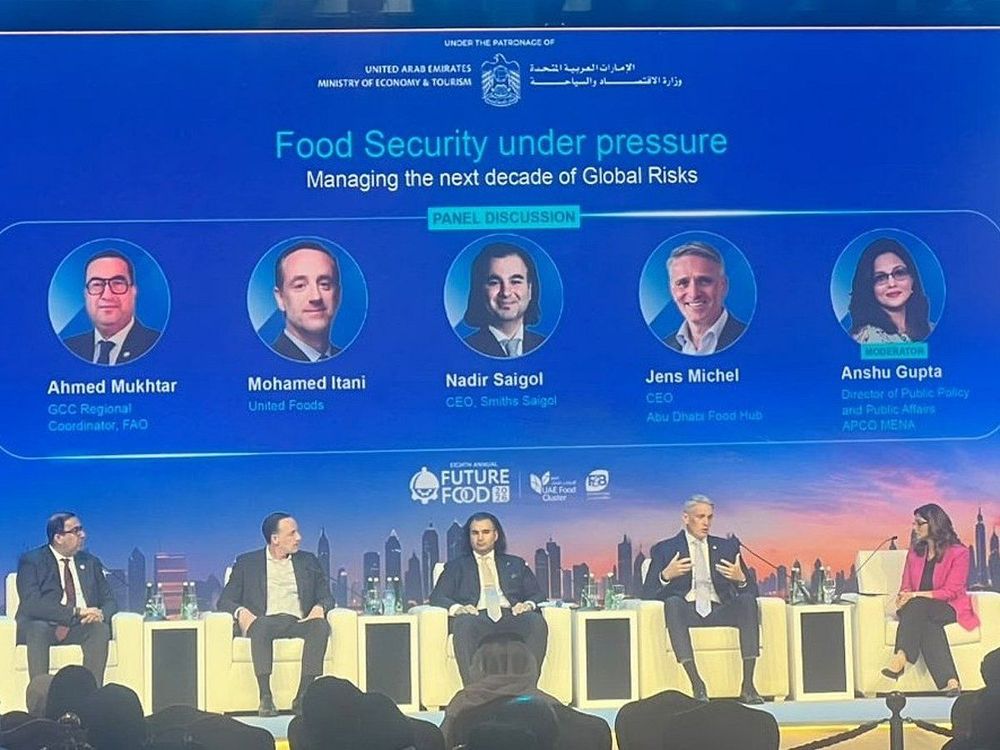
Food security in focus as UAE firms, start-ups and retailers meet at Future Food Forum
The UAE food sector is being advised to abandon long-term planning in favor of rapid, flexible approaches as global disruptions continue to test supply chains. The message was delivered at the eighth Future Food Forum, a two-day gathering at Le Meridien Dubai that brought together more than 750 CEOs, manufacturers, start-ups, retailers and investors from over 70 countries.
The event, held under an AED 40 billion sector growth initiative and organized by the UAE Food and Beverage Manufacturers Group and the UAE Food Cluster, addressed mounting pressures on the country's food security as it imports approximately 90 percent of its food supply.
Saleh Lootah, Chairman of the UAE Food Cluster and the UAE Food and Beverages Manufacturers Group, told Gulf News that traditional business planning models no longer work in the current environment. His recommendation was direct: develop plans that span only three months rather than years ahead.
Nobody can guarantee that you will be able to deliver your 2027 plan. I recommend that people go with a three-month plan.
The shift reflects lessons learned from successive crises, from the pandemic to the Russia-Ukraine war and recent Gulf conflicts. Lootah emphasized that the sector has emerged stronger from each test, but warned that old planning frameworks must be discarded entirely.
Shipping disruptions become permanent feature
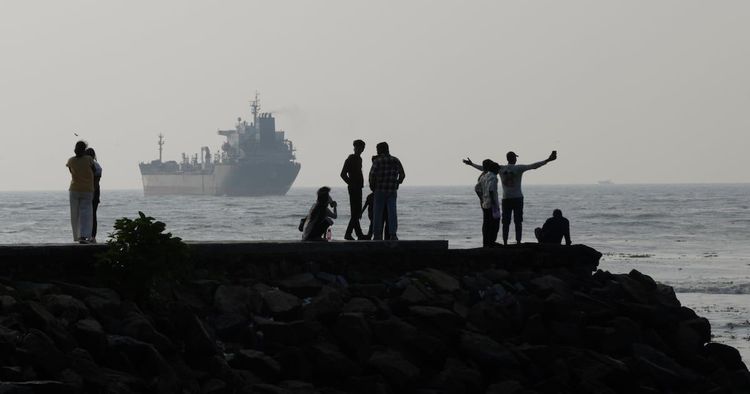
Ongoing Red Sea shipping disruptions, which began in late 2023 and continue through 2026, have forced major carriers to reroute around the Cape of Good Hope, adding 10 to 14 days to shipping times and driving up freight costs substantially. Combined with August 2026 tensions in the Strait of Hormuz that threatened approximately one-third of the world's fertilizer supply, these disruptions represent what Lootah called a new reality rather than temporary setbacks.
The UAE's response has centered on building resilient, diversified supply corridors. The Food Cluster aligned the entire domestic value chain, from farmers and manufacturers to logistics firms and retailers, enabling coordinated responses to disruptions. Beyond national borders, the country established food trade corridors with Central Asia, India, Turkey, Russia and Africa, including a $7 billion food security corridor with India agreed in 2022 under the Comprehensive Economic Partnership Agreement, connecting Indian farms directly to UAE ports.
If one corridor gets disrupted, the other corridor can step up and make sure they fulfil the requirement.
These efforts align with the UAE's National Food Security Strategy 2051, launched in 2019 with the goal of making the country first on the Global Food Security Index by 2051. The strategy operates through five pillars: diversifying food import sources, enhancing local production through technology, reducing food waste, maintaining food safety standards, and building crisis response capability.
Connecting manufacturers with retail buyers
A central aim of the forum was to facilitate direct connections between local manufacturers, particularly small and medium enterprises, and major retail buyers. Participants included Lulu, Carrefour and Union Coop, with additional retailers expected at future editions.
An entrepreneurs' stage provided small and medium-sized firms the opportunity to pitch to investors and potential partners. Lootah expressed particular enthusiasm about this component of the forum, noting the potential for exploring business opportunities.
The UAE Food Cluster, launched in February 2024 at Gulfood by UAE Minister of Economy Abdulla Bin Touq Al Marri, serves as the organizing body. Lootah clarified that the cluster operates as neither a government body nor a private company, but rather as a platform to address challenges holding the sector back.
With 568 food and beverage processing facilities producing approximately 5.96 million metric tons of food products annually, the UAE maintains significant domestic manufacturing capacity. However, agriculture contributes only 0.1 percent to the country's GDP, reflecting limited arable land and acute water shortages that make import dependency and supply chain resilience critical priorities.
The forum also featured the launch of the Cluster Champion Award, which Lootah hopes will become one of the most recognized global awards in the sector, open to companies from the UAE and internationally. Day one of the event included a keynote from Amath Pathe Sene, Managing Director of the Africa Food System Forum, underscoring the forum's regional and international scope.