Etihad Rail expansion: Complete timeline for UAE's remaining passenger stations
Following the launch of the Abu Dhabi–Fujairah route, Etihad Rail will progressively open eight more passenger stations across the UAE through March 2027, completing the first phase of the Dh40 billion national railway network.
Etihad Rail expansion: Complete timeline for UAE's remaining passenger stations
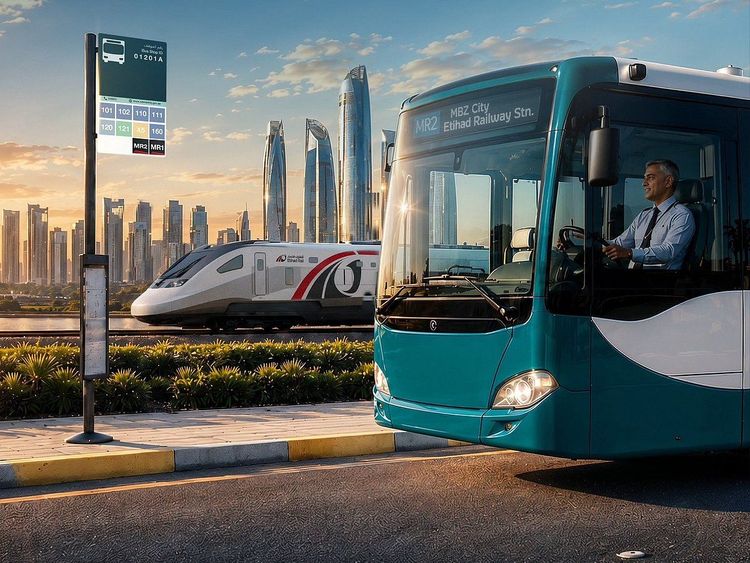
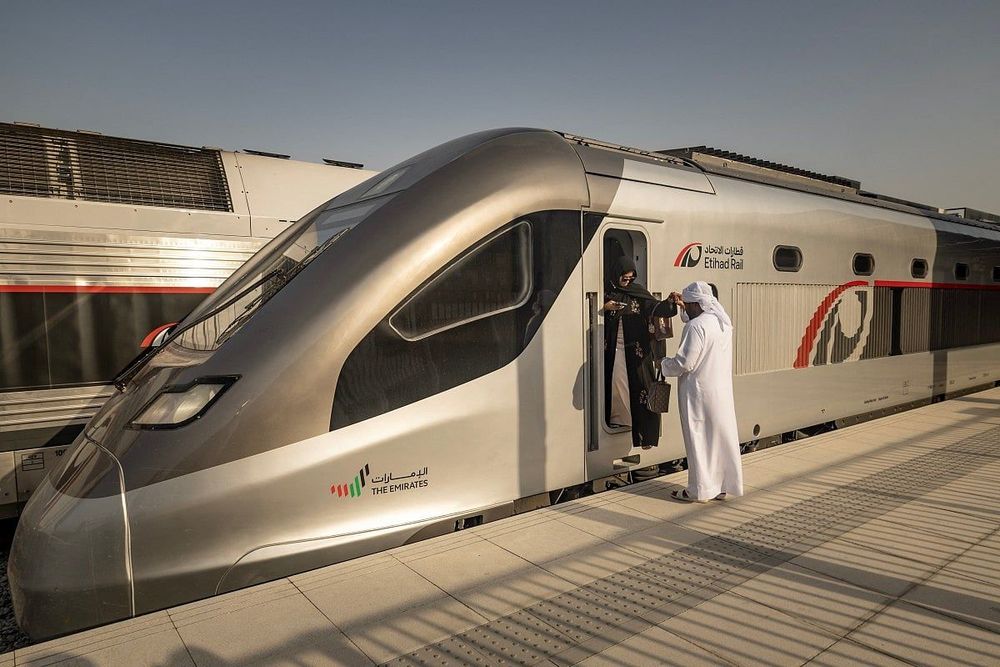
The UAE's national passenger rail service is set to expand significantly over the next nine months, with eight additional stations scheduled to open following the successful launch of the Abu Dhabi–Fujairah route on June 30, 2026.
Established in June 2009 under Federal Law No. 2, Etihad Rail represents one of the UAE's most ambitious infrastructure undertakings, with a total investment of Dh40 billion ($11 billion). The project forms part of the National Railway Program announced as one of the 'Fifty Projects' in 2021, delivering on the vision in under five years.
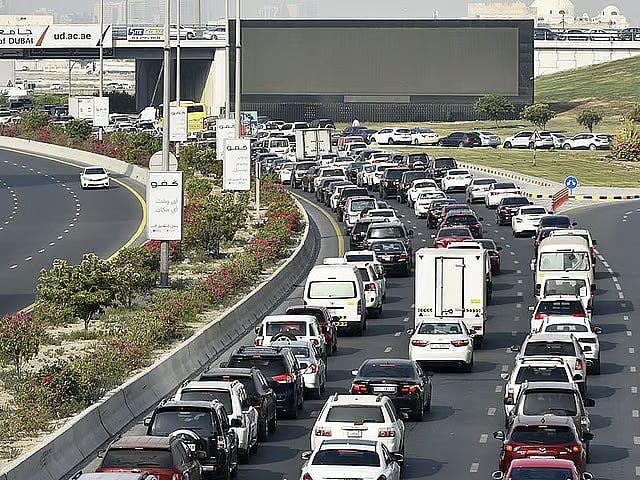
The inaugural passenger service connecting Mohammed Bin Zayed City in Abu Dhabi with Fujairah covers the distance in just 1 hour and 45 minutes, offering a compelling alternative to road travel. More than 10,000 tickets were sold before services commenced, demonstrating strong demand for rail connectivity in a country where vehicle numbers have been increasing by more than 8% annually, far exceeding the global average of around 2%.
Dubai and Al Dhaid: September 30, 2026
The network will extend to Dubai's Jumeirah Golf Estates station and Al Dhaid station in Sharjah on September 30, 2026. These additions will establish crucial links between the UAE's major population centres, providing rail connections across Abu Dhabi, Dubai, Sharjah and the east coast.
Al Dhafra Region: November and December 2026
Etihad Rail will bring forward the opening of its Madinat Zayed and Liwa passenger stations to November 30, 2026, expanding service into the Al Dhafra region ahead of its annual events and festival season.
On December 30, 2026, three additional western stations will open: Al Sila, Al Dhannah and Al Mirfa. This expansion will enhance mobility for residents in Abu Dhabi's western region while supporting tourism and economic development across Al Dhafra.
Sharjah University City: March 30, 2027
The rollout concludes with Sharjah University City station on March 30, 2027, completing the first phase of passenger operations and strengthening connections between educational, residential and commercial hubs across the emirates.
Ticket pricing and passenger projections
To mark the service launch, Etihad Rail is offering introductory fares from Dh55 in Comfort Class and Dh120 in Premium Class, approximately 50% below standard adult prices. Children aged two to 17 receive a 50% discount on regular fares, while senior citizens aged 60 and above receive a 20% discount. Infants under two travel free when accompanied by an adult.
Tickets can be purchased through the Etihad Rail mobile app or via the official website at etihadrail.ae. As demand remains high, advance booking is recommended, particularly during weekends and public holidays.
Once fully operational, the passenger network is projected to handle up to 36.5 million passengers annually across the UAE.
Engineering achievement and broader context
The passenger service builds on freight operations that have been fully operational since 2023, currently transporting approximately 7 million tonnes of granulated sulphur annually from Shah and Habshan gas fields to Ruwais port. The network has capacity to move up to 60 million tonnes of goods annually.
Construction of the railway required significant engineering work, including 593 bridges and crossings, plus nine tunnels totalling approximately 6.5 kilometres through the Al Hajar Mountains, enabling the connection between the emirates and Fujairah on the east coast.
The passenger trains operate at speeds of up to 200km/h and feature onboard Wi-Fi, power outlets and multiple travel classes. Beyond passenger convenience, the railway delivers substantial environmental benefits, with rail freight emitting up to 80% less CO2 than equivalent road transport. The network is projected to reduce the UAE's transport-related CO2 emissions by 21% annually by 2050, equivalent to avoiding 8.2 million tonnes of CO2 per year.
The full passenger network will eventually connect 11 cities across the UAE through approximately 900 kilometres of track. Looking further ahead, the infrastructure forms part of the broader GCC Railway Network, which will eventually link all six Gulf Cooperation Council states, including Saudi Arabia, Oman, Qatar, Kuwait and Bahrain, creating an integrated regional transport system.