Egypt refers all mobile operators to prosecutors over unauthorised SIM registrations
Egypt's telecom regulator has sent every mobile operator to the Public Prosecution after finding lines registered in citizens' names without their knowledge. It has also ordered urgent steps to tighten SIM registration and identity checks.
 Layla Haddad
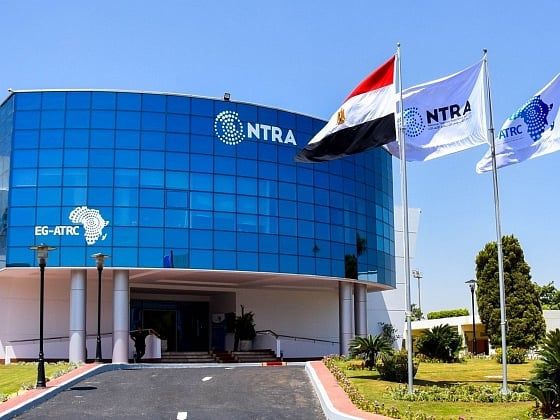
Egypt's National Telecom Regulatory Authority (NTRA) has referred all mobile network operators in the country to the Public Prosecution after uncovering violations involving phone lines registered in citizens' names without their knowledge or possession. The regulator said it acted after investigating complaints from users who found SIM cards linked to their personal details even though they had never owned or activated them.
The referrals followed inspections carried out over the previous two days, during which the authority said it gathered evidence, documentation and supporting material on the reported violations. The four operators providing mobile services in Egypt are Orange Egypt, Vodafone Egypt, e& Egypt and WE. Vodafone is the largest by subscribers, and WE, run by Telecom Egypt, is the newest entrant and is state-controlled. According to the Ministry of Communications and Information Technology, the country had around 123 million mobile subscriptions at the end of December.
Emergency measures for operators
The NTRA announced a package of urgent measures to tighten control over SIM registration, verify the identities of actual users and prevent a recurrence. They were agreed after meetings with the operators.
- Operators must immediately suspend the sale and activation of new SIM cards through their corporate systems, for both private companies and government entities.
- Telecom firms must send text messages to customers whose lines remain registered under older records, instructing them to visit company branches, sign new contracts and verify their identities.
- Operators were also directed to speed up biometric identity verification through their mobile apps, so customers can confirm ownership of lines registered in their names and act against numbers they do not possess.
NTRA rules allow companies and government bodies to open accounts with multiple lines run by an authorised representative. They still require the actual user of each SIM to be registered and the data updated when anything changes. That is why previously registered corporate lines are being re-signed in the name of the real user.
Why the issue struck a nerve
Mobile numbers in Egypt are tied to a wide range of digital services, including mobile wallets, bank accounts, traffic fine payments and other government services under the country's digital transformation strategy. A line registered to someone who never held it therefore raises concerns beyond telecoms.
In recent days, many Egyptians have posted videos and messages on social media after discovering, often by chance, that lines had been registered in their names. Some said they had filed police reports to protect themselves from potential legal liability for any misuse of those numbers.
Public concern grew after a 19-year-old university student from Sharqia said he had been sentenced in absentia to 25 years in prison in a drug-trafficking case in which a mobile line registered in his name appeared. According to reports, he obtained the line in 2024 at the request of a friend's sister and handed it over to her, and it was later passed on to someone else without his knowledge. The details come from his account and press reports rather than a court document.
The NTRA said that registering a line in someone's name does not by itself make that person legally responsible for crimes committed with it, provided it is established that they did not own, possess or control the line. An NTRA spokesperson, Mohamed Ibrahim, made the same point, saying such registration does not automatically imply legal responsibility for illegal use. This is the regulator's position, not a court ruling.
What affected customers can do
Citizens can see all lines registered under their national ID by presenting the ID at an operator branch, or through the My NTRA app and its My Lines (Araqamy) service. Anyone who finds a line they do not possess can sign a non-possession form at an operator branch, which allows the line to be suspended immediately. If an operator refuses to share the data, customers can complain to the NTRA through hotline 155, the app or its website.
How the gap arose
Under the NTRA's existing rules, as described in a policy paper by the rights group Masaar, individuals buying a SIM must visit an authorised retailer in person. They must present their original valid national ID plus a colour copy, sign a contract and receive a copy. According to Ahram Online, investigators found that lines were often activated with photocopies of ID cards instead, bypassing the requirement for the cardholder to be present or sign.
On 25 August, two weeks after the referral, Egypt's Interior Ministry said 18 people had been arrested for allegedly registering thousands of lines using customers' personal data without consent. It said they included six customer-service employees of a mobile operator and 12 workers from intermediary companies and retail outlets. The ministry said the practice ran for several years to artificially boost sales figures. It added that the suspects confessed during questioning and that legal proceedings were under way. These are the ministry's allegations, and it did not name the operator concerned.
Uptake and privacy questions
Ahram Online reported that around five million Egyptians used the identity-verification service in the week to 17 August, taking the total number of users to roughly 12 million.
Under the biometric registration process, applicants take a selfie that an automated system compares with the photo linked to their national ID, according to the trade outlet Biometric Update. Digital-rights researchers interviewed by Mada Masr raised privacy concerns about the shift. They said Egypt's personal data protection law has not been fully implemented and that the Personal Data Protection Center it envisages had not been set up, even though executive regulations were issued the previous year. They also doubted that biometric verification alone would end fraudulent registration.