Trump administration proposes $103,265 fee for H-1B skilled worker visas
The Department of Homeland Security has proposed a sweeping $103,265 supplemental fee on cap-subject H-1B petitions, a measure expected to raise $8.8 billion annually while drawing sharp criticism from immigration advocates who question its legality.
Trump administration proposes $103,265 fee for H-1B skilled worker visas
The Trump administration has proposed imposing a $103,265 supplemental fee on employers filing cap-subject H-1B petitions, a measure that would dramatically increase the cost of recruiting skilled foreign workers and generate an estimated $8.8 billion in annual revenue for the federal government.
The Department of Homeland Security announced the proposal, which is scheduled for publication in the Federal Register on Tuesday, initiating a 30-day public comment period. The fee would apply to every cap-subject petition, including filings for workers eligible under the advanced degree exemption, and would be charged in addition to existing application costs that currently range from $2,000 to $6,000.
According to DHS estimates, the fee would affect approximately 85,000 cap-subject petitions annually under the program's allocation structure of 65,000 regular visas plus 20,000 additional places for foreign nationals holding master's degrees or higher from U.S. institutions.
Revenue allocation and government costs
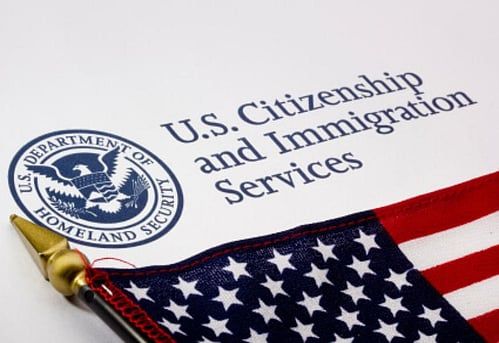
The revenue would fund immigration-related operations across multiple federal agencies, including U.S. Citizenship and Immigration Services, Customs and Border Protection, Immigration and Customs Enforcement, the Justice Department's immigration courts, the State Department and the Department of Labor.
USCIS spokesperson Zach Kahler said the fee is designed to recover costs associated with adjudicating, vetting and supporting lawful immigration programs. DHS listed immigration benefit adjudications, fraud detection, national security screening, modernisation of government systems, immigration court operations, consular visa processing and labour standards enforcement among the expenses the fee would cover.
The proposal would exempt cap-exempt petitions filed by universities, nonprofit research organizations, government research entities and nonprofit organizations affiliated with institutions of higher education. These employers can file petitions year-round without entering the annual lottery.
Impact on small businesses and industries
DHS analysis found that the regulation would have a significant financial impact on 11,051 small entities, representing 76 percent of the 14,541 small organizations that filed cap-subject petitions in fiscal 2025. The fee would be imposed uniformly regardless of employer size or nonprofit status.
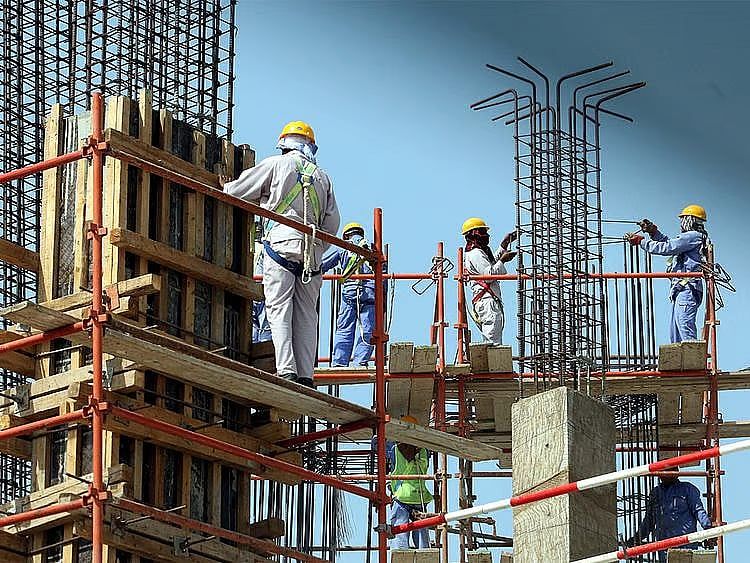
The measure is expected to particularly affect the technology sector, which dominates H-1B usage with computer-related occupations receiving 64 percent of all approvals. Systems analysis and programming positions alone account for 52 percent of H-1B approvals, with a median salary of $123,600 for computer-related positions.
Indian nationals, who received 71 percent of all H-1B approvals in fiscal 2024—totaling 283,397 beneficiaries out of 399,395 total petitions approved—would be significantly affected by the fee structure.
Legal challenges and industry criticism
Todd Schulte, president of FWD.us, a bipartisan immigration policy advocacy organization founded by tech leaders including Mark Zuckerberg, called the proposal a massive tax on American businesses and questioned the government's legal authority to charge amounts exceeding the direct cost of processing individual petitions.
This proposed tax clearly violates the law by charging far more than is allowed, which should be the cost to adjudicate an H-1B petition.
Schulte added that policies like the H-1B fee would hinder America's ability to compete globally for top talent and economic leadership, warning that jobs and businesses would move overseas.
DHS, however, maintained that federal immigration law permits the government to establish fees at a level sufficient to recover the full cost of immigration adjudication and naturalisation services. The department argued that cap-subject H-1B employers were generally more able to pay than individual immigration applicants.
The proposal represents the latest development in the administration's approach to H-1B policy. During Trump's first term from 2017 to 2021, H-1B denial rates peaked at 15 percent in fiscal 2018, including 24 percent for new applications, before dropping below 3 percent under the Biden administration following court rulings against certain restrictions.
The H-1B programme allows U.S. employers to hire foreign professionals for specialised positions requiring advanced knowledge in fields including technology, engineering, finance, medicine and research. Employers currently pay a $215 registration fee per beneficiary to enter the annual lottery, separate from petition filing costs.