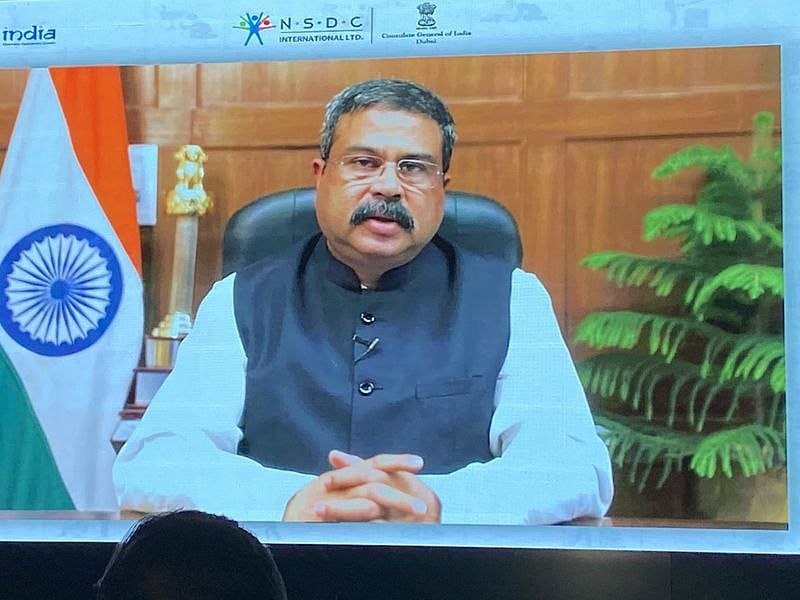
India's Education Minister Dharmendra Pradhan resigns amid NEET examination controversy
Dharmendra Pradhan submits resignation to Prime Minister Narendra Modi following month-long protests at Jantar Mantar over alleged irregularities in the national medical entrance examination.
India's Education Minister Dharmendra Pradhan resigns amid NEET examination controversy
India's Education Minister Dharmendra Pradhan submitted his resignation to Prime Minister Narendra Modi on Saturday, according to a post on his official social media account. The resignation came hours before scheduled talks between the Cockroach Janta Party (CJP) and the Central government.
Pradhan, who has served as Minister of Education and Minister of Skill Development & Entrepreneurship since July 2021, represents the Sambalpur Parliamentary constituency from Odisha. His departure marks a significant development in the escalating controversy surrounding the National Eligibility cum Entrance Test - Undergraduate (NEET-UG), the mandatory examination for admission to MBBS, BDS, AYUSH and related medical courses across India.
Month-long protests demand accountability
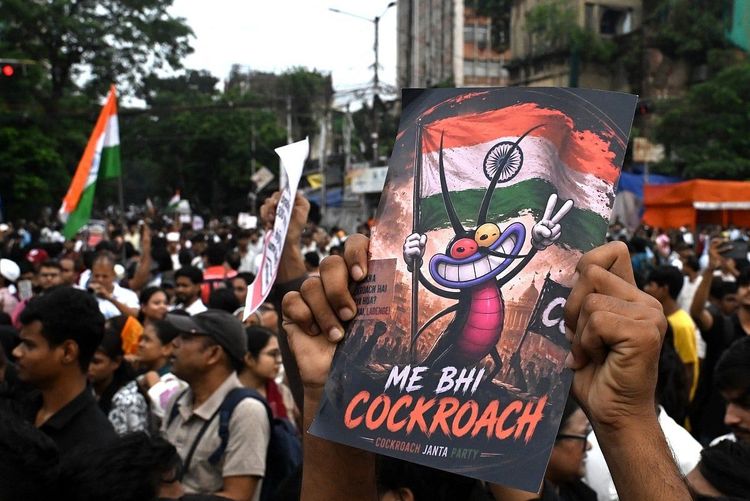
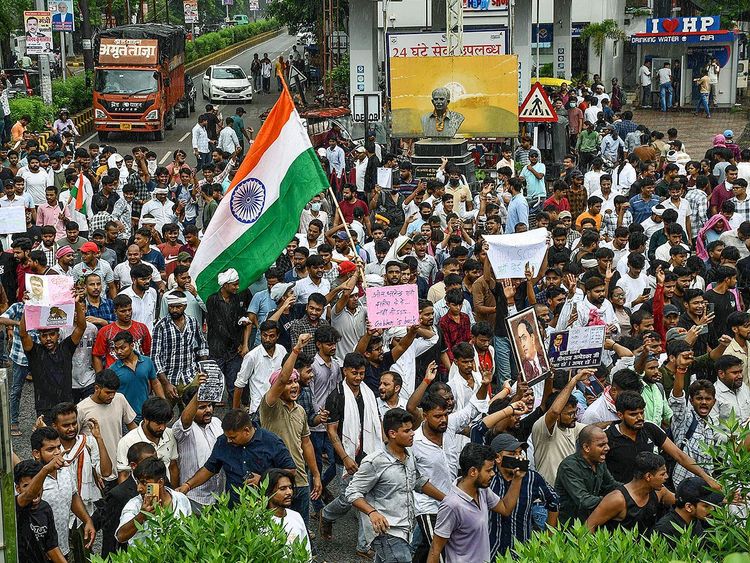
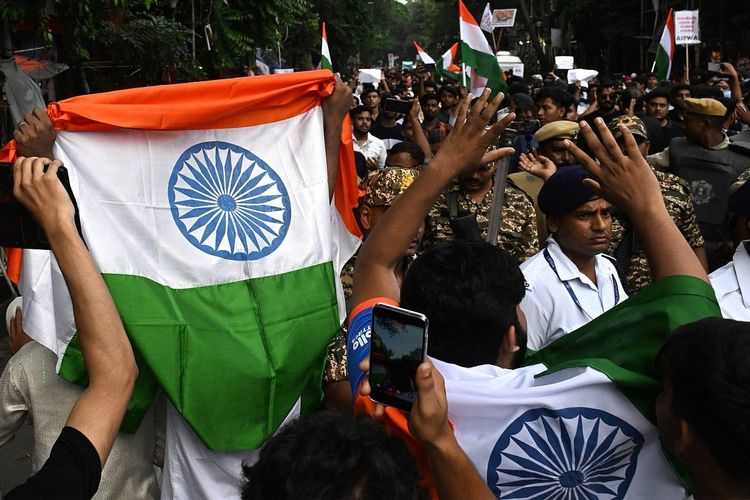
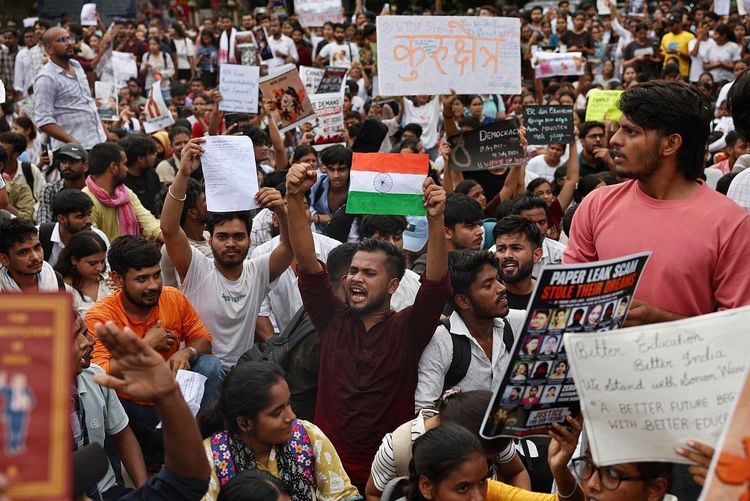
The resignation was a key demand of protesters who have been demonstrating at Delhi's Jantar Mantar for over a month. The historic site, which has served as the capital's designated protest venue since the early 1990s, witnessed its first major demonstration since the 2023 wrestlers' protest when the CJP began their agitation on June 6, 2026. Delhi Police deployed approximately 5,000 personnel for the initial protest, granting permission until 5 PM as a one-time exception.
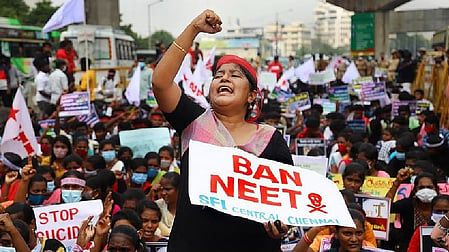
The protests center on alleged irregularities in the NEET-UG 2024 examination, conducted by the National Testing Agency on May 5, 2024. Approximately 2.4 million candidates appeared for the examination across India. When results were declared on June 4, 2024, an unprecedented 67 candidates achieved perfect scores of 720 out of 720, sparking widespread controversy and allegations of examination malpractice.
Government investigation and legislative response
The Ministry of Education entrusted the matter to the Central Bureau of Investigation for comprehensive investigation on June 23, 2024. The government also enacted the Public Examination (Prevention of Unfair Means) Act, 2024 specifically to address unfair practices in public examinations.
Hospital clarifies Wangchuk video controversy
Safdarjung Hospital issued a clarification on Saturday regarding a video of climate activist Sonam Wangchuk circulating on social media. Wangchuk, a Ramon Magsaysay Award winner (2018) known for educational reforms in Ladakh and pioneering the Ice Stupa glacier grafting technique, co-founded SECMOL in 1988.
The hospital stated the video was recorded on July 21 inside a designated no-videography zone by Wangchuk's aides before the facility received the Delhi High Court's written order regarding his transfer. According to the hospital, Wangchuk insisted on leaving based on media information before the written order arrived. He was transferred to a team of doctors from Medanta Gurugram at 6:40 PM on July 21 after the court order was received.
CJP alleges intimidation tactics
The Cockroach Janta Party accused Delhi Police on Saturday of detaining and intimidating individuals attempting to reach the protest site. Party spokesperson Saurav Das claimed an atmosphere of fear and siege had been created around Jantar Mantar, with volunteers carrying food, water, medicines and essential supplies being stopped.
The party called on Delhi Police to permit access for volunteers, family members, lawyers, journalists and medical personnel while allowing peaceful protest to continue.
Police register attempt-to-murder charges
Delhi Police filed an FIR invoking attempt-to-murder charges in connection with violence during the July 20 protest march near Rail Bhawan and Parliament. The FIR, registered at Kartavya Path Police Station, includes several offences under the Bharatiya Nyaya Sanhita (BNS), which came into effect on July 1, 2024, replacing the Indian Penal Code, 1860 as India's new criminal code.
The charges include assault on public servants, unlawful assembly, rioting, property damage and acts endangering human life. Police reported that protesters allegedly attempted to breach barricades, attacked officers with stones and slippers, and damaged public and private property.
According to police reports, 129 personnel and more than 60 protesters sustained injuries during the clashes. Authorities have registered approximately 15 FIRs and deployed 18 Deputy Commissioners of Police across key routes to strengthen security.