How a Supreme Court remark sparked India's largest Gen Z protest movement
A satirical response to a judge's comment transformed into a nationwide youth uprising demanding education reform, leading to the resignation of India's Education Minister.
From courtroom to viral phenomenon
On May 15, 2026, Chief Justice Surya Kant made remarks during a Supreme Court hearing that compared certain individuals entering public fields to cockroaches. The following day, he clarified that his comments targeted people with fake qualifications, not unemployed youth generally.
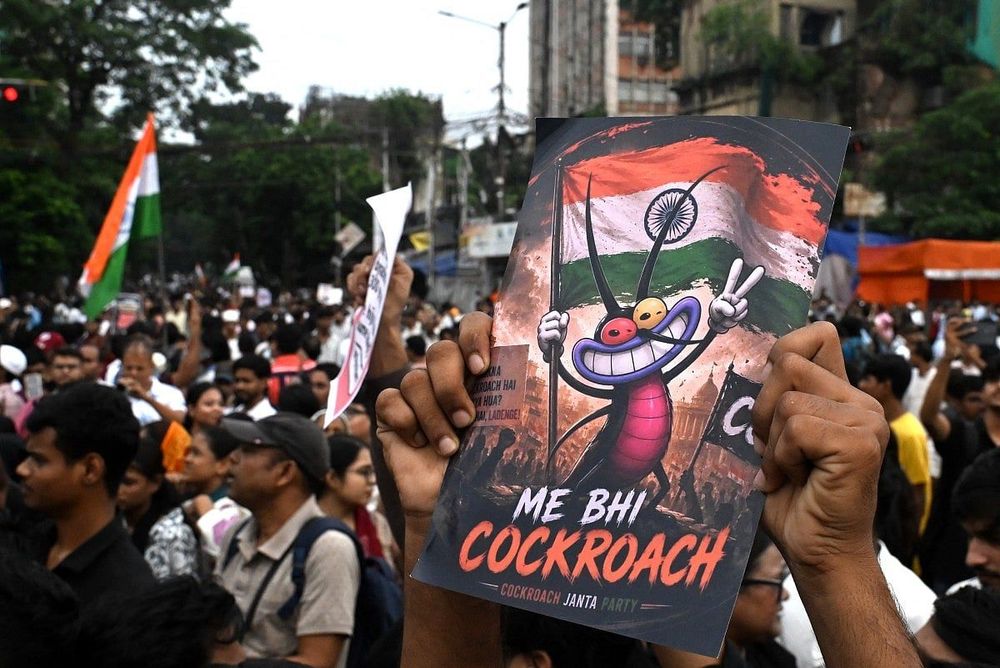
But the damage was done. Just one day after the controversial remarks, on May 16, 2026, Abhijeet Dipke—a political communications graduate in his twenties studying at Boston University—founded the Cockroach Janta Party. Within 78 hours, the satirical social media page had amassed three million followers, making it one of the fastest-growing political movements in Indian social media history.
Dipke posted a simple question: "What if all cockroaches come together?" The answer came swiftly as millions of young Indians, frustrated with examination scandals and limited opportunities, embraced the cockroach identity as a symbol of resilience.
The examination crisis fueling anger
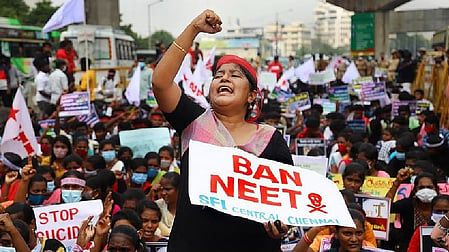
The movement's rapid growth reflected deep frustration over India's competitive examination system, particularly the National Eligibility cum Entrance Test. Over 2.2 million students appeared for NEET 2025 across 552 cities in India and 14 international cities, making it one of the country's largest competitive examinations.
Allegations of paper leaks had plagued the system for years. In 2024, the Supreme Court acknowledged that at least 155 students had directly benefited from a paper leak, though it ruled there was no evidence of systemic failure and declined to order a re-examination. When similar irregularities emerged in 2026, student anger reached a breaking point.
The protests also tapped into broader economic anxieties. India's youth unemployment rate reached 15.2 percent in March 2026, up from 13.8 percent in April 2025, with urban youth unemployment standing at 18.2 percent in June 2026 according to the Periodic Labour Force Survey. Graduate unemployment stood at 13 percent in the 2023-24 period—notably higher than rates for those with secondary education, creating a paradox where higher education offered no protection from joblessness.
Digital culture meets street activism
Unlike traditional political organizations, the Cockroach Janta Party built its identity around digital tools and internet humor. The movement deployed AI-generated images and videos, memes, satirical content, and livestreams from protests to mobilize supporters.
After building momentum online, Dipke returned to India from the United States and joined protesters at Jantar Mantar—a historic location built in 1724 as an astronomical observatory that became Delhi's designated protest venue in the early 1990s after authorities redirected demonstrations from the Boat Club lawns near India Gate.
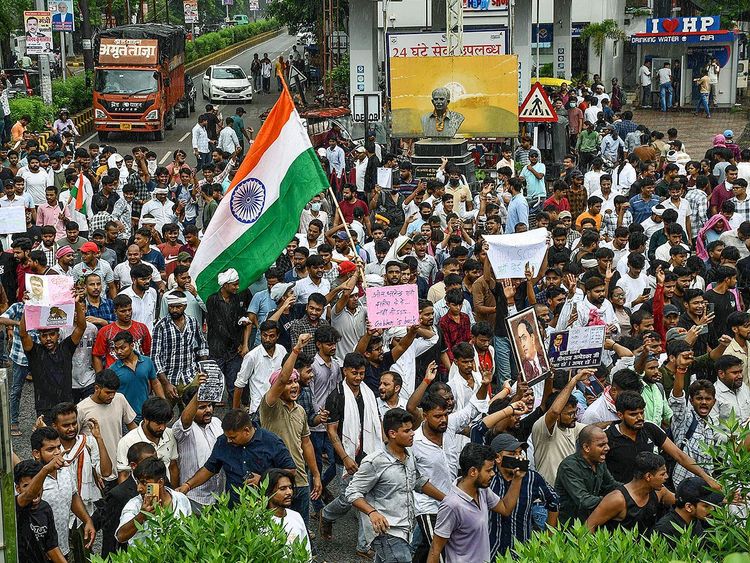
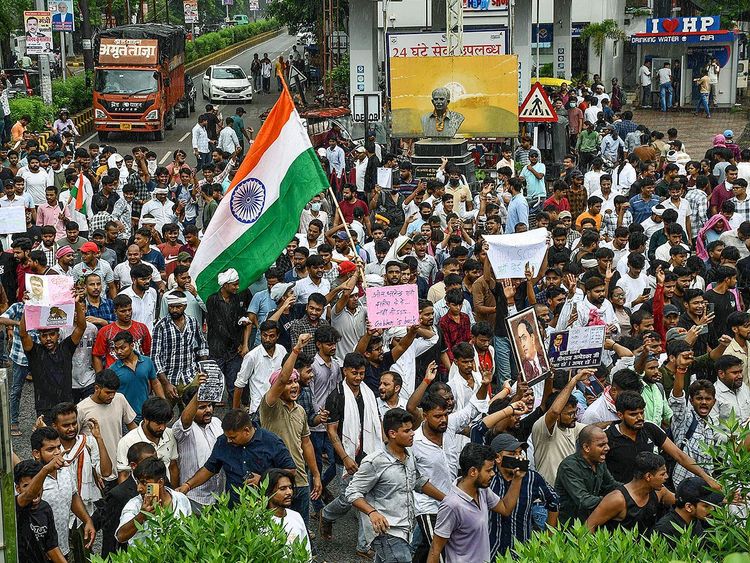
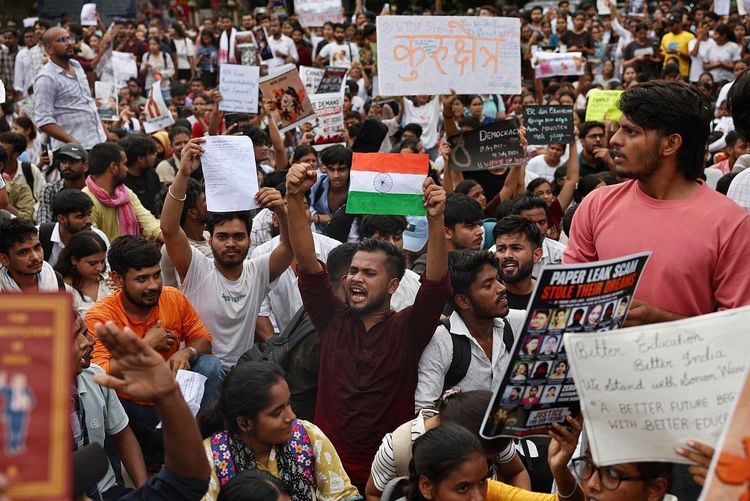
Demonstrators wore cockroach masks and carried messages demanding examination reforms. The movement described itself as the voice of the lazy and unemployed, using humor to connect with young people frustrated over job opportunities and alleged paper leaks.
Sonam Wangchuk amplifies the cause
The protests gained national attention when education reformer Sonam Wangchuk joined the movement. Wangchuk, founder of the Students' Educational and Cultural Movement of Ladakh in 1988, had a proven track record in education reform. His organization launched Operation New Hope in 1994, which helped raise school pass rates in Ladakh from around 5 percent to nearly 75 percent within two decades.
Wangchuk, who received the Ramon Magsaysay Award in 2018 and inspired Aamir Khan's character in the Bollywood film '3 Idiots', began an indefinite hunger strike on June 28 at Jantar Mantar. His deteriorating health raised concerns, and he was admitted to hospital on July 18. His participation brought greater credibility and media attention to the youth-led movement.
Protests turn violent
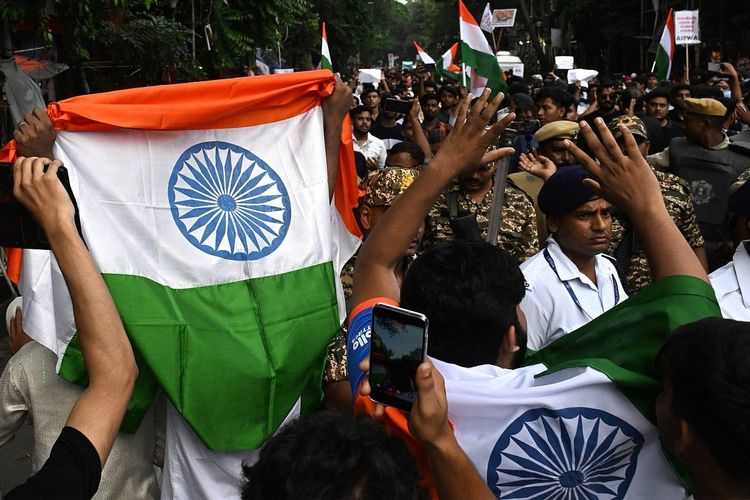
As demonstrations expanded, tensions escalated. On July 20, thousands gathered at Jantar Mantar and attempted to march toward Parliament. Police used tear gas and baton charges to disperse crowds, resulting in injuries to 178 people—including 118 police personnel and around 60 protesters, according to Delhi Police.
Protesters accused authorities of excessive force. CJP leaders alleged a harsh crackdown on students, while police maintained that some demonstrators became violent and attempted to break through barricades. Delhi Police examined more than 250 videos, including CCTV, drone and body-camera footage, to identify individuals allegedly involved in violence and vandalism.
Minister's resignation marks turning point
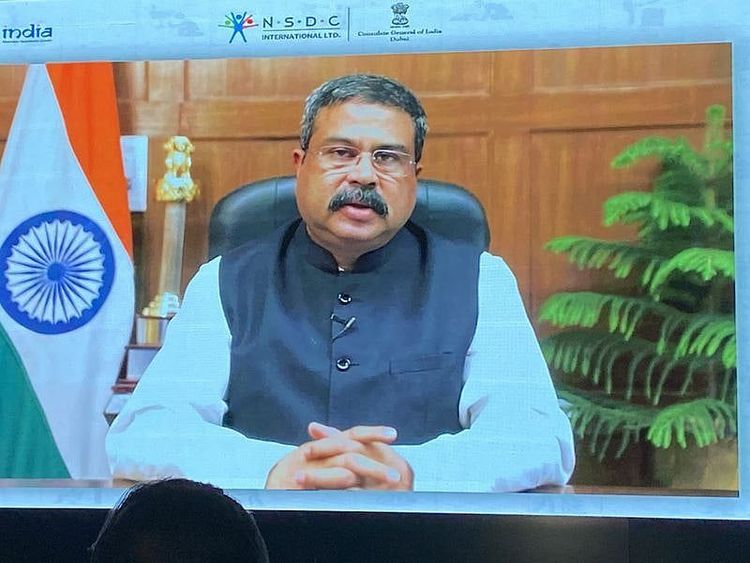
On July 25, 2026, Education Minister Dharmendra Pradhan announced his resignation ahead of scheduled talks with protest representatives. In a letter posted to social media, he emphasized the need to protect India's youth.
"The events of the past 10 days have saddened me. This is not a matter of personal prestige for me. India's youth power is the real strength of this nation. My resolve is that we will not let the country's youth get trapped in a vicious cycle of confusion."
CJP founder Abhijeet Dipke and Sonam Wangchuk hailed the resignation as a victory for democracy. However, Dipke made clear the movement would continue until remaining demands were addressed—including one crore rupees compensation for families of students who allegedly died following examination-related distress, and action against police officers accused of using excessive force during the July 20 protests.
A new model of youth activism
The Cockroach Janta Party represents a shift in how India's younger generation engages with political power. Operating as a decentralized digital network rather than a party-linked structure, it relied on memes and viral campaigns instead of formal speeches, and focused on specific issues rather than electoral politics.
For India's Gen Z, the movement demonstrated that digital platforms can translate public frustration into political action. A meme became a movement, and a Supreme Court remark became a catalyst for one of the largest youth uprisings in recent Indian history.