Songs of resistance: How India's NEET protesters built a movement through music and dance
From Bollywood anthems to K-pop choreography, students across India have transformed their anger over examination irregularities into a creative, defiant protest movement that refuses to be silenced.
Songs of resistance: How India's NEET protesters built a movement through music and dance
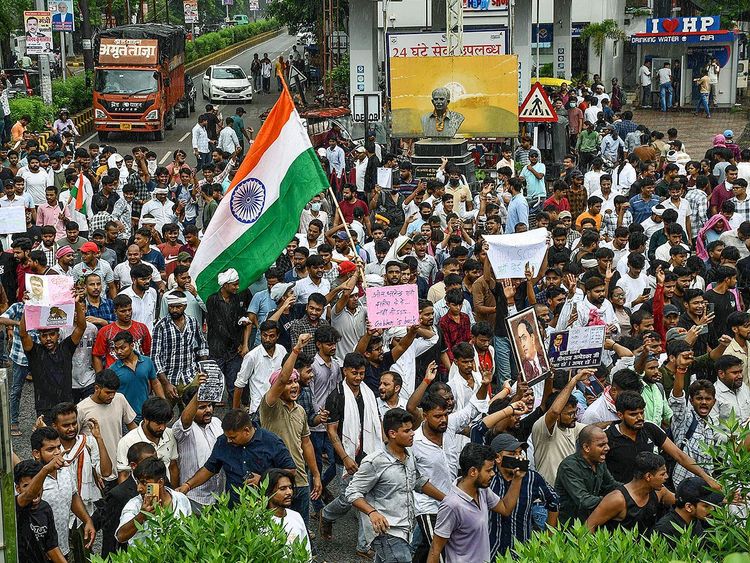
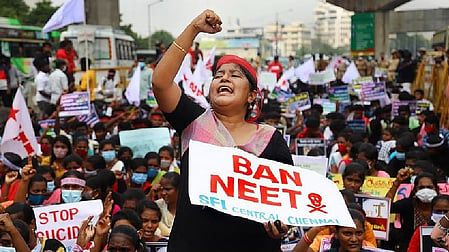
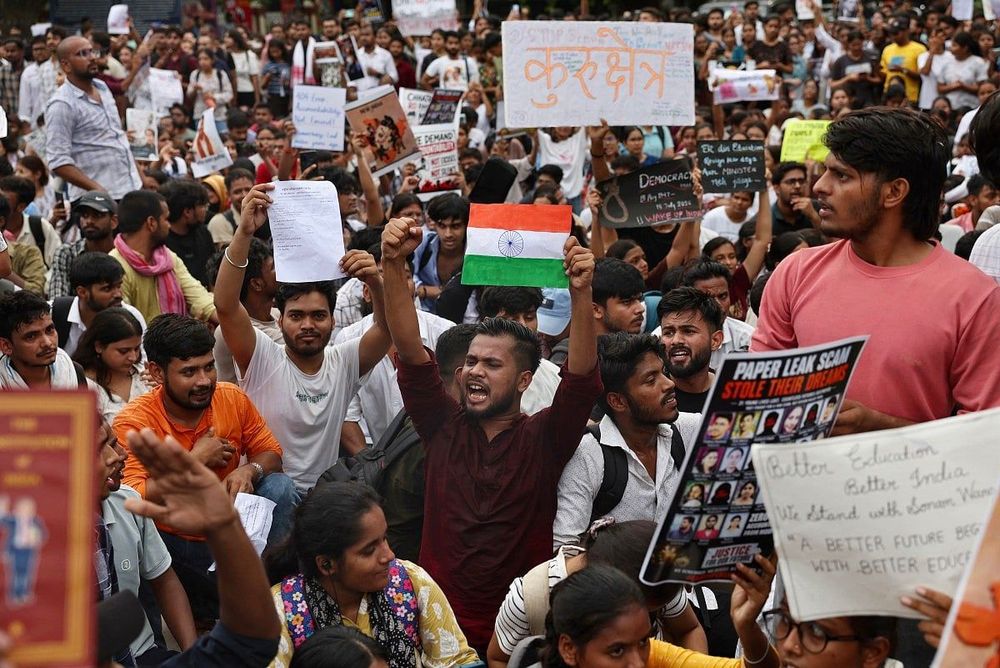
Across India, a new generation of protesters has turned anger into art. In the sweltering heat of Delhi's Jantar Mantar, in the streets of Mumbai, and under a sea of umbrellas in Mizoram, students have found their voice through song and dance, transforming demonstrations against examination irregularities into a cultural phenomenon that refuses to be ignored.
The movement erupted after the National Testing Agency cancelled the NEET-UG 2026 examination on May 12, 2026, nine days after over 2.27 million medical aspirants sat for the test on May 3. Investigations revealed that a guess paper containing approximately 410 questions had circulated through WhatsApp and Telegram groups before the exam, with around 120 questions from the Biology and Chemistry sections matching the actual paper. The scandal became one of the largest exam disruptions in recent years, triggering nationwide outrage.
What followed was not just protest, but performance. At protest sites that emerged on June 20, 2026 at Jantar Mantar and spread to Mumbai, Kochi, Chennai and beyond, demonstrators sang A.R. Rahman's Maa Tujhe Salaam and Vande Mataram, their patriotic notes acquiring new urgency. Folk-metal band Bloodywood joined crowds at Jantar Mantar, bringing their politically charged sound to the streets. In Mumbai, protesters performed the Viking Row, chanting demands for Education Minister Dharmendra Pradhan's resignation.
The soundtrack of dissent
The musical vocabulary of the protests draws from an eclectic mix. Rapper DIVINE's Azadi, inspired by student activist Kanhaiya Kumar's 2016 speech and featured in Gully Boy, echoes through protest videos. Songs from Rang De Basanti appear at different sites. At midnight gatherings at Jantar Mantar, exhausted protesters sing Baari Barsi. One masked demonstrator danced to BTS member J-Hope's Killin' It Girl while preparing for protest.
Perhaps no song has resonated more powerfully than Give Me Some Sunshine from the 2009 film 3 Idiots. In Mizoram, thousands gathered under umbrellas in solidarity, singing the film's anthem. The song carries particular weight: the character Phunsukh Wangdu in 3 Idiots was based on education activist Sonam Wangchuk's story, though actor Aamir Khan has denied the connection. Wangchuk himself began an indefinite hunger strike on June 28, 2026 at Jantar Mantar in support of the NEET protesters, his action entering its 20th day on July 17 with mounting concerns over his health.
Other anthems have emerged organically. Protesters have sung Faiz Ahmed Faiz's Hum Dekhenge, the Pakistani poet's 1979 work that has become South Asia's defining song of resistance. Sandese Aate Hain from the film Border and Saadda Haq from Rockstar have featured in social media videos. In Aizawl, students sang the Black Eyed Peas' Where Is the Love?
A movement with deep roots
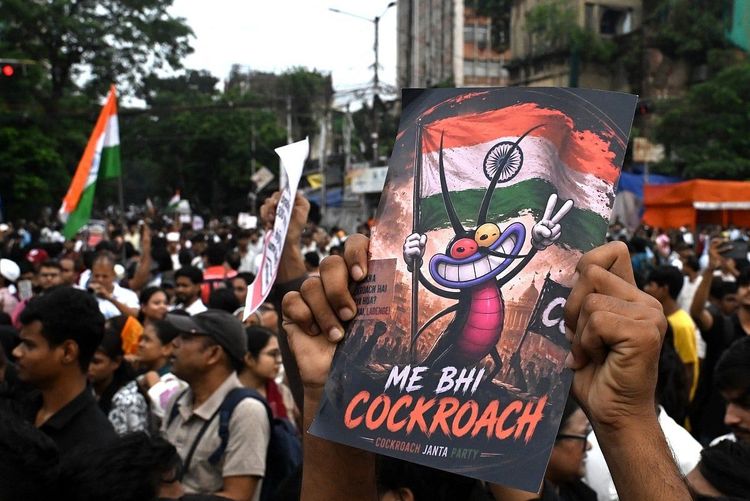
The protests are organized primarily by the Cockroach Janta Party (CJP), a movement founded on May 16, 2026 by Abhijeet Dipke in response to remarks by Chief Justice Surya Kant, who compared unemployed youth to cockroaches and parasites of society. Within days, CJP garnered over 350,000 sign-ups and more than 20 million Instagram followers, channeling frustration into action.
The anger runs deeper than a single exam. India has witnessed more than 90 instances of paper leaks and examination irregularities at national and state levels over the past two decades, including at least 15 involving examinations conducted by Central agencies. The NEET controversy became a breaking point.
On May 22, 2026, the Central Bureau of Investigation arrested Manisha Sanjay Havaldar, a Pune school headmistress appointed as a subject expert by the National Testing Agency. She confessed to recalling physics questions from memory and sharing them with a student, which were then circulated further, illustrating how the leak occurred.
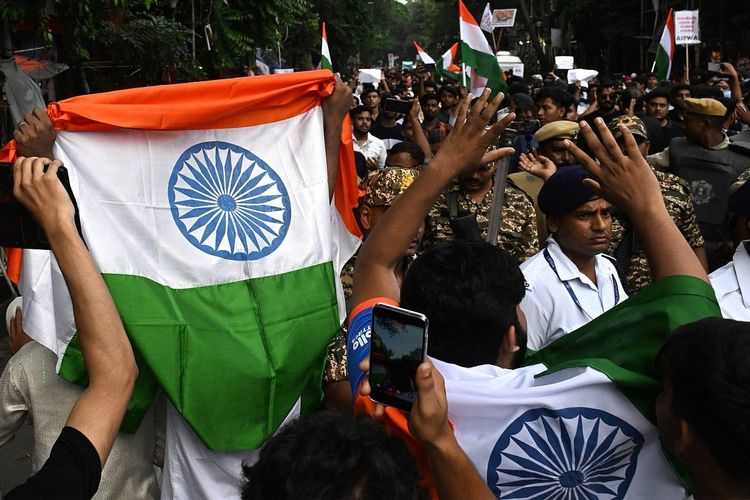
On July 20, 2026, more than 10,000 protesters attempted to march to Parliament. Violent clashes with police resulted in nearly 180 people injured—60 protesters and 118 security and police personnel—with 70 protesters detained. Yet the movement has not retreated.
Music as defiance
Among the newest additions to the protest soundtrack is Taare, released last month by artists Farak, 10A and Saswat Balan. The song speaks of exhaustion and fear, of a spirit battered by relentless hardship. Its lyrics resonate with students who feel their futures have been stolen: Humara thokaron se kuch purana khaas naata hai—we have an old and special relationship with life's blows.
The demonstrations have also embraced visual spectacle. Protesters march in Batman and Spider-Man costumes, their playfulness masking serious intent. Police watch, detain and sometimes disperse them, but the crowds return. The protests become reels. The reels become songs. The songs become anthems.
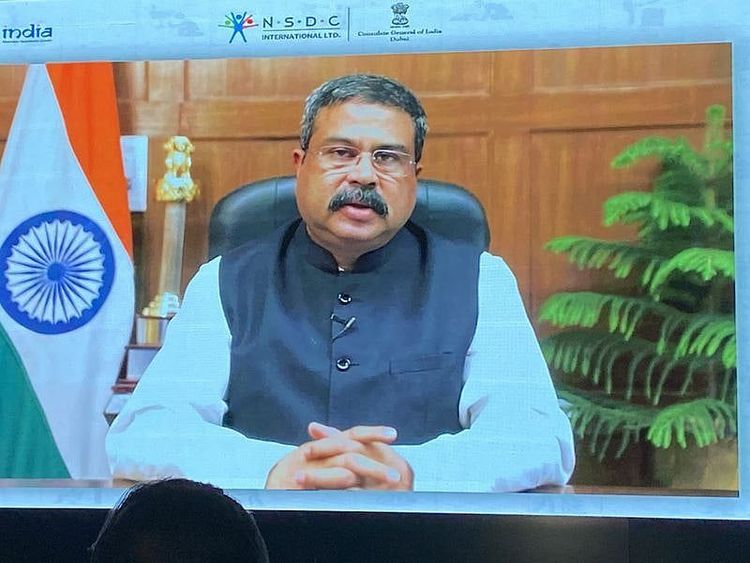
Students, young professionals and activists have sustained the sit-in at Jantar Mantar for over a month, demanding the resignation of Dharmendra Pradhan, who was first appointed Union Education Minister in July 2021 and retained the position for a third time when sworn in on June 9, 2024 under Prime Minister Modi's third term.
The songs may differ from city to city, from Bollywood to Pakistani poetry, from rock to K-pop. But the questions remain the same. And the kids, as they insist, are doing just fine.