Ukraine accuses US of withholding critical defence supplies as Russian strikes intensify
President Volodymyr Zelenskyy says vital air defence deliveries are being blocked at Pentagon level while Russia damages energy sites across Ukraine, leaving over half a million households without power.
 Mariam Al Mansoori
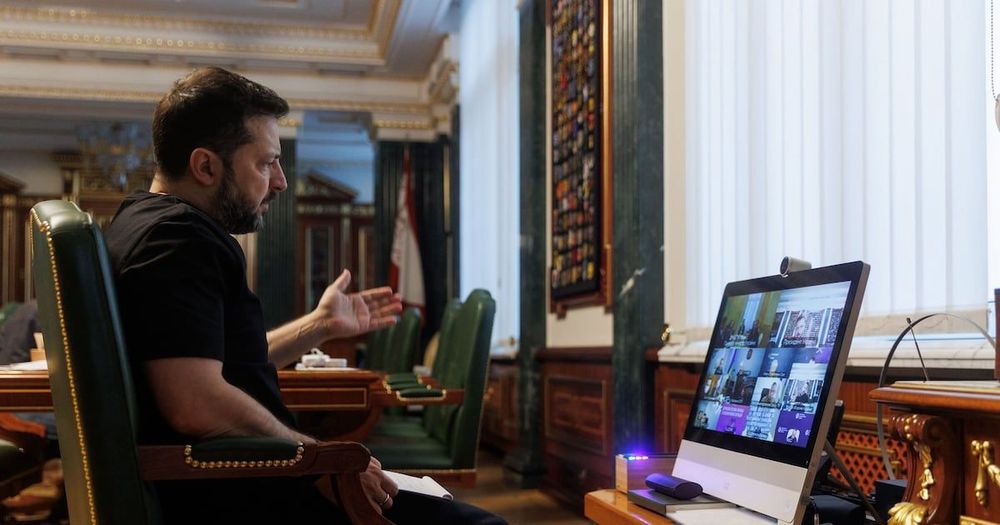
Zelenskyy claims delivery of vital war supplies for Ukraine delayed by US
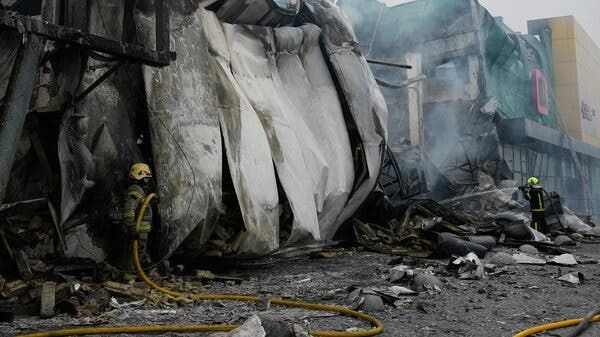
President Volodymyr Zelenskyy accused the United States on Monday of blocking critical air defence supplies to Ukraine as Russian forces launched one of their most extensive aerial assaults in months, damaging more than 10 energy facilities nationwide.
In a statement on social media platform X, Mr Zelenskyy said delays were occurring at the US Defence Department level, with political agreements on air defence equipment failing to translate into actual deliveries. The Ukrainian leader revealed the US is currently supplying just 12 Patriot missiles per month — approximately four times fewer than during the Biden administration.
Russia's overnight assault involved 16 ballistic missiles targeting Kyiv and surrounding regions, plus more than 200 drones deployed across the country from Kharkiv and Dnipro in the east to Odessa in the south. The strikes killed three people, including a woman in Kyiv and two others in the industrial city of Kryvyi Rih, according to officials.
More than half a million households lost electricity following the attacks on energy infrastructure. The timing proves particularly critical as Ukraine prepares for winter, when heating demands will strain the power grid significantly.
Intelligence sharing disruptions
Mr Zelenskyy disclosed that Ukraine received no advance warning from Western partners before the first ballistic missile strike overnight. In a subsequent NBC interview on October 18, he revealed that US intelligence sharing on ballistic missile launches had been blocked for three days but has since resumed. Only the United States possesses the unique intelligence capabilities required to detect Russian ballistic missile launches.
Yurii Ihnat, spokesman for Ukraine's air force, confirmed this was not an isolated incident. "For some reason, no information was received the first time, a matter our experts are investigating together with our partners, as this is not the first time such a situation has occurred," Mr Ihnat said. He noted that Ukraine did receive information before a second attack.
The supply situation appears dire. Ukrainian officials reported the country had only 10 Patriot interceptor missiles remaining as of October 7, which were subsequently depleted during attacks. Ukraine's overall air defence missile supplies have dropped threefold in the first half of 2026 compared to 2025, despite partner countries maintaining available stockpiles.
Manufacturing constraints
The global shortage of interceptor missiles has been exacerbated by production timelines and competing demands. Manufacturing a single Patriot interceptor can take up to 36 months, while global stocks have been rapidly depleted following the US conflict with Iran that began under the Trump administration. The US used more than 1,000 Patriot and THAAD interceptors in the first month of that conflict alone.
This is not the first time deliveries have stalled. The Pentagon paused shipments of air defence missiles, precision artillery and Hellfire missiles to Ukraine in July 2025 due to depleted US stockpiles, prioritising American military readiness following a Department of Defence review.
Technology restrictions compound challenges
Mr Zelenskyy also raised concerns about limitations on Starlink satellite internet services provided by Elon Musk's company. The equipment stops functioning at speeds between 130 and 161 kilometres per hour, restricting the types of drones Ukraine can deploy for intercepting attacks. These speed restrictions were reportedly imposed on October 14 without prior warning to Ukrainian forces.
"Speed matters when it comes to protecting lives," Mr Zelenskyy said, noting he was still unable to fully access Starlink and Starshield services.
The Ukrainian president ordered his senior team to contact partners who could swiftly strengthen the country's defences. He announced increased orders for interceptors proven effective against Iranian-made Shahed drones and said he was engaging Baltic countries for logistical support.
Strategic context
Russia's Defence Ministry said its forces carried out a "massive strike" using precision weapons and attack drones against Ukrainian defence industry facilities, drone and cruise missile storage sites, and a data centre. Ukrainian Prime Minister Sergii Koretskyi confirmed the energy sector was the primary target, with damage also reported at railway stations, pharmaceutical warehouses, commercial properties and residential buildings.
Russia has been conducting an intensified campaign against Ukraine's energy infrastructure ahead of winter, with officials warning of another difficult period amid air defence shortages. The attacks come as tensions escalate over Ukraine's own drone strikes on Russian oil refineries, which began in 2024 and substantially increased in the second half of 2025, causing a fuel crisis in Russia.
"When deliveries of missiles for Ukraine's air defence are blocked while Russia is granted relief or delays in sanctions, this is, unfortunately, a denial of reality on the part of our partners," Mr Zelenskyy said.
US Secretary of State Marco Rubio denied Washington had paused intelligence sharing with Ukraine, contradicting the Ukrainian president's claims. Mr Zelenskyy held a follow-up meeting Monday to review winter infrastructure preparations and said he expected concrete results from ongoing discussions with international partners.