Saudi Arabia and Syria sign defense agreement and more than $403 million in loans
Saudi Arabia and Syria have agreed to deepen military cooperation as Riyadh commits concessional financing to Syrian reconstruction and public services. The agreements were signed during Syrian President Ahmed al-Sharaa's visit to the Saudi capital.
 Mariam Al Mansoori
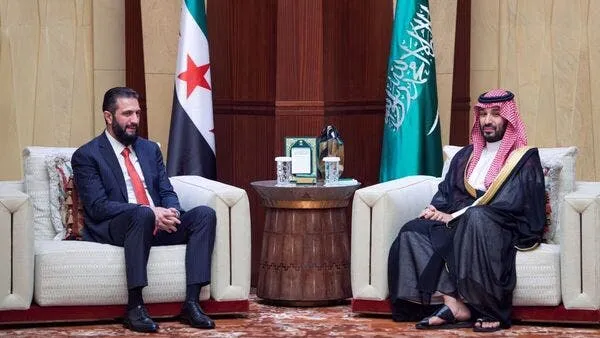
Military cooperation with details still undisclosed
Al-Sharaa met Crown Prince Mohammed bin Salman in Riyadh for their second meeting in less than a month. The agreement between their defense ministries sets out a framework for cooperation, although its full operational provisions have not been released publicly.
In an opinion article for Al Arabiya English, Dr. Majid Rafizadeh cites reporting that the framework covers military training, advice, intelligence sharing and exchanges of expertise, along with support for rebuilding Syria's armed forces.
Rafizadeh argues that Syria needs to rebuild its military institutions and improve professional training after more than a decade of conflict and the political transition following the Assad regime's fall. He says the agreement offers Saudi expertise, possible equipment support and arrangements for intelligence and operational coordination as Damascus seeks to stabilize its territory, reduce the foreign military presence and restore sovereignty.
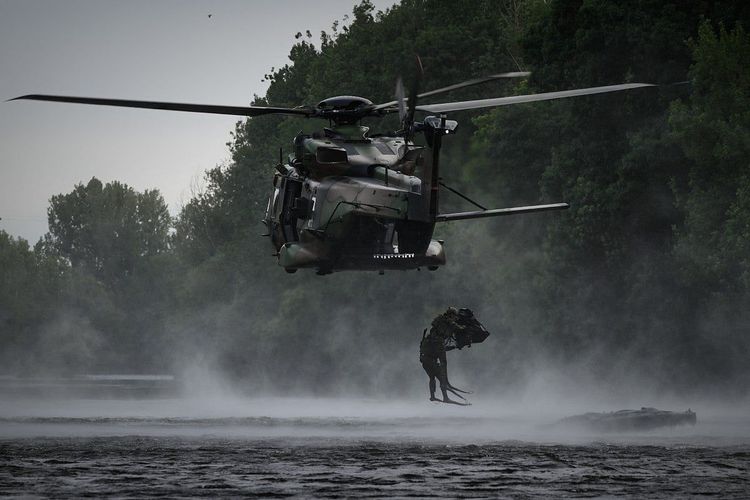
Cooperation could also run in the other direction. Rafizadeh points to the Syrian leadership's and its forces' experience with irregular warfare, militia tactics and complex security conditions as potentially useful to Saudi Arabia in confronting groups such as the Iran-aligned Houthis. He cites reports that limited Syrian advisory and training assistance to Saudi Arabia has already begun under the framework.
Six loans for reconstruction and public services
The Saudi Fund for Development signed six concessional loan agreements in Riyadh on November 4-5, 2026, totaling more than $403 million. Enab Baladi and MEED report that the financing spans electricity, water, housing, health care, civil defense and government technology.
The largest allocation, $105 million, will fund construction, rehabilitation and equipment for 25 civil defense centers: 12 existing facilities will be rehabilitated and 13 new ones built. Another $100 million will pay for hospital and health center rehabilitation and equipment.
A $90 million loan is intended to restore the Aleppo Thermal Power Plant. MEED reports that the plant's five generating units have an installed capacity of about 1,100 MW, but at least three units are out of operation and require rehabilitation. Local media estimate that work on those three units will take 18-24 months.
Housing receives $60 million for a first phase covering rehabilitation of 10,000 damaged units. A further $30 million will fund the supply and installation of about 300,000 smart drinking-water meters in Damascus and Idlib, while $18.6 million is allocated to digital transformation at Syria's Finance Ministry.
Separate from the loans, the November agreements include a $10.6 million contract for Syria's official participation in Expo 2030 Riyadh. Enab Baladi reports that Syria will receive exhibition space at no charge, with handover due by December 31, 2029, and participation support through the partnership program.
Ties rebuilt after Assad's fall
Relations between Riyadh and Damascus have gradually improved since the Assad regime fell on December 8, 2024. That rapprochement followed years without political ties, during which Saudi Arabia supported the Syrian opposition.
Al-Sharaa chose Saudi Arabia for his first foreign visit after becoming president. At his February 2, 2025, meeting with the crown prince in Riyadh, discussions ranged from political, economic and humanitarian matters to cooperation in energy, technology, education, health and reconstruction.
Saudi financial assistance also preceded the latest package. In September 2025, the kingdom provided two grants through the Saudi Fund for Development: one for crude oil supplies and another to pay part of government employees' salaries for three months.
A regional partnership in the columnist's assessment
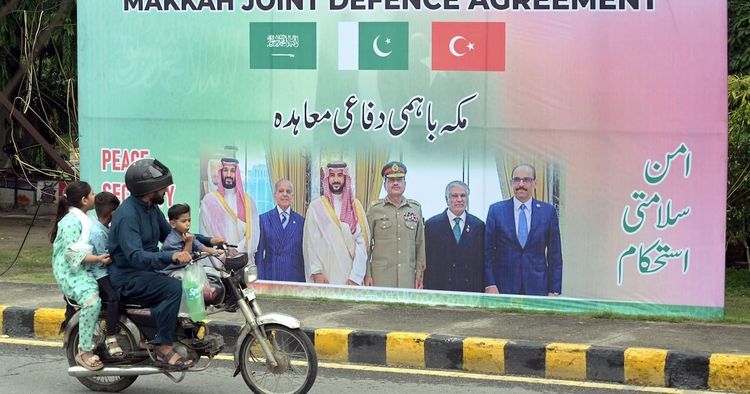
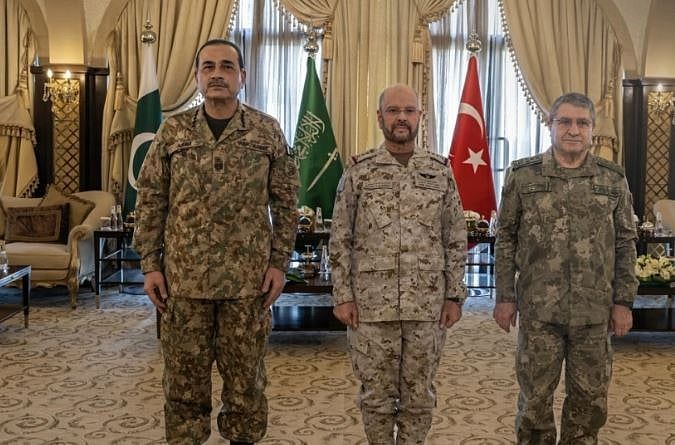
Rafizadeh views the Syrian agreement as part of a Saudi approach centered on partnerships rather than confrontation or isolation. He draws a comparison with the Mecca Defense Alliance, signed by Saudi Arabia, Turkey and Pakistan in August 2026 to provide a framework for collective security, military coordination and mutual support.
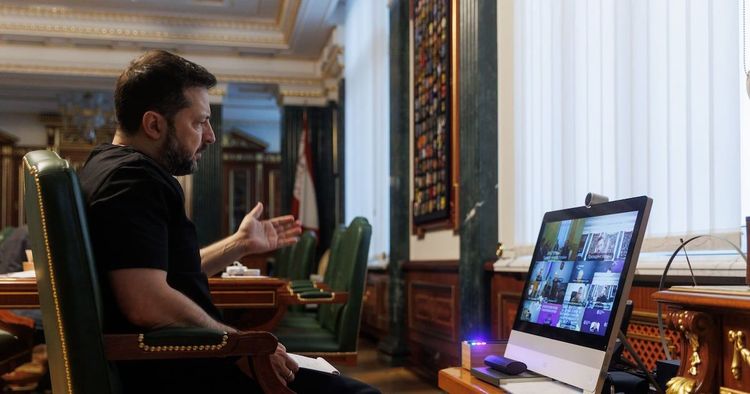
He also cites Saudi diplomatic efforts beyond Syria: hosting and supporting high-level talks on the Russia-Ukraine conflict, involvement in Sudan initiatives including the earlier Jeddah processes aimed at protecting civilians and encouraging a political settlement, and maintaining channels for dialogue involving Iran and other regional actors. In his assessment, Riyadh has continued to build diplomatic and security partnerships despite repeated Houthi missile and drone attacks.
For Saudi Arabia, Rafizadeh argues, Syrian recovery could reduce regional spillover risks, including refugee flows, extremist recruitment and opportunities for outside actors to extend their influence. He also sees the closer relationship as a potential opening for private investment, technical cooperation and Syria's participation in regional economic networks.